The key facts
- The UK Department for Education intends to ban schools from teaching GCSEs before Year 10
- The reform changes the approach of the previous government, under which the first three years of secondary school focused on exams
- DfE data: the proportion of persistent absence rises from 13% in Year 6 to 15% in Year 9
Ban on early GCSE preparation
The UK Department for Education (DfE) announced on Sunday a major reform of teaching in Years 7–9 (Key Stage 3): secondary schools will be required not to teach GCSEs before Year 10. The aim is to make Key Stage 3 a standalone educational stage with less emphasis on exams and a more 'rich and engaging' experience, BBC News reports.
Reasons for the reform
The changes are a response to two reviews which, according to the DfE, showed that pupils in early adolescence are increasingly losing interest in learning, affecting attendance and attainment. The department notes that the proportion of persistent absence rises from 13% in Year 6 to 15% in Year 9. A survey commissioned by International Baccalaureate found that GCSE preparation dominates Key Stage 3: 57% of teachers named it the main factor shaping the curriculum.
Reversal of the previous government's policy
The reform changes the approach of the previous Conservative government. Former education secretary Michael Gove prioritised English, mathematics and science, raised pass thresholds, made exams harder, restricted resits and made GCSEs linear — exams taken at the end of Year 11 rather than throughout Key Stage 4. This prompted teachers to prepare pupils for exams earlier, at the expense of the unassessed parts of subjects. As far back as 2015, an Ofsted report called the Key Stage 3 years 'lost years', but critics at the time warned that the reforms had made every exam too high-stakes.
The minister's position and criticism
Education Secretary Lucy Powell said the first years of secondary school should be a time when children 'find their passion and develop a love of learning', and that strengthening Key Stage 3 will give 'more time for deep understanding'. 'GCSE pressure and an overcrowded curriculum mean too many children are getting a narrowed curriculum and are being pushed towards exams too quickly, without having mastered the basics. I am putting an end to this,' she said. The DfE promises a 'more engaging offer' in drama, PE, music and languages, where take-up has declined, when the new curriculum is published later this year. Liberal Democrat Munira Wilson supported the thesis that school is 'not just cramming for exams', but warned against 'micromanaging' teachers and noted that the new curriculum alone will not bring children back to school: many miss lessons due to anxiety and unmet mental health needs, and without teachers schools will not be able to offer more drama, music and languages.
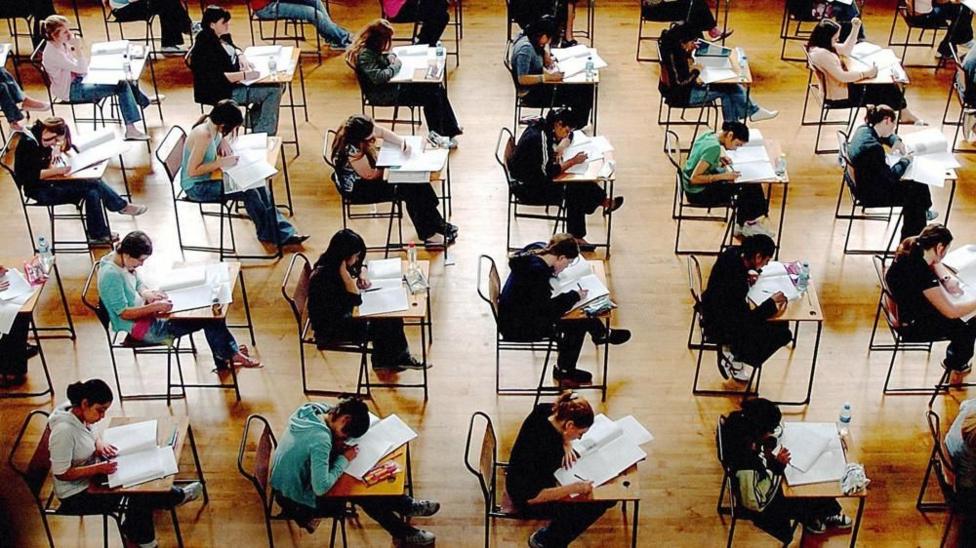 Image source, Press Association
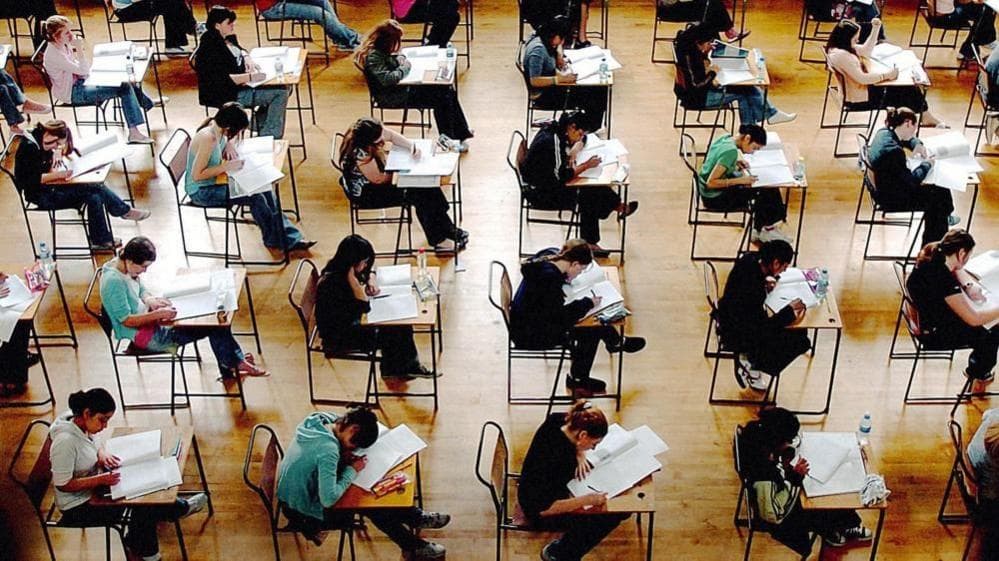
The government has warned some schools start teaching GCSEs in the first year of secondary school