The key facts
- The FT reported Huang's relationship with Alice X. of Megaspeed, whom the US considers recruited by Chinese intelligence
- Nvidia has launched an investigation involving independent directors and an outside law firm
- The company's shares fell at the start of trading on Monday; Trump called Huang 'a worthy man'
The Admission and the Investigation
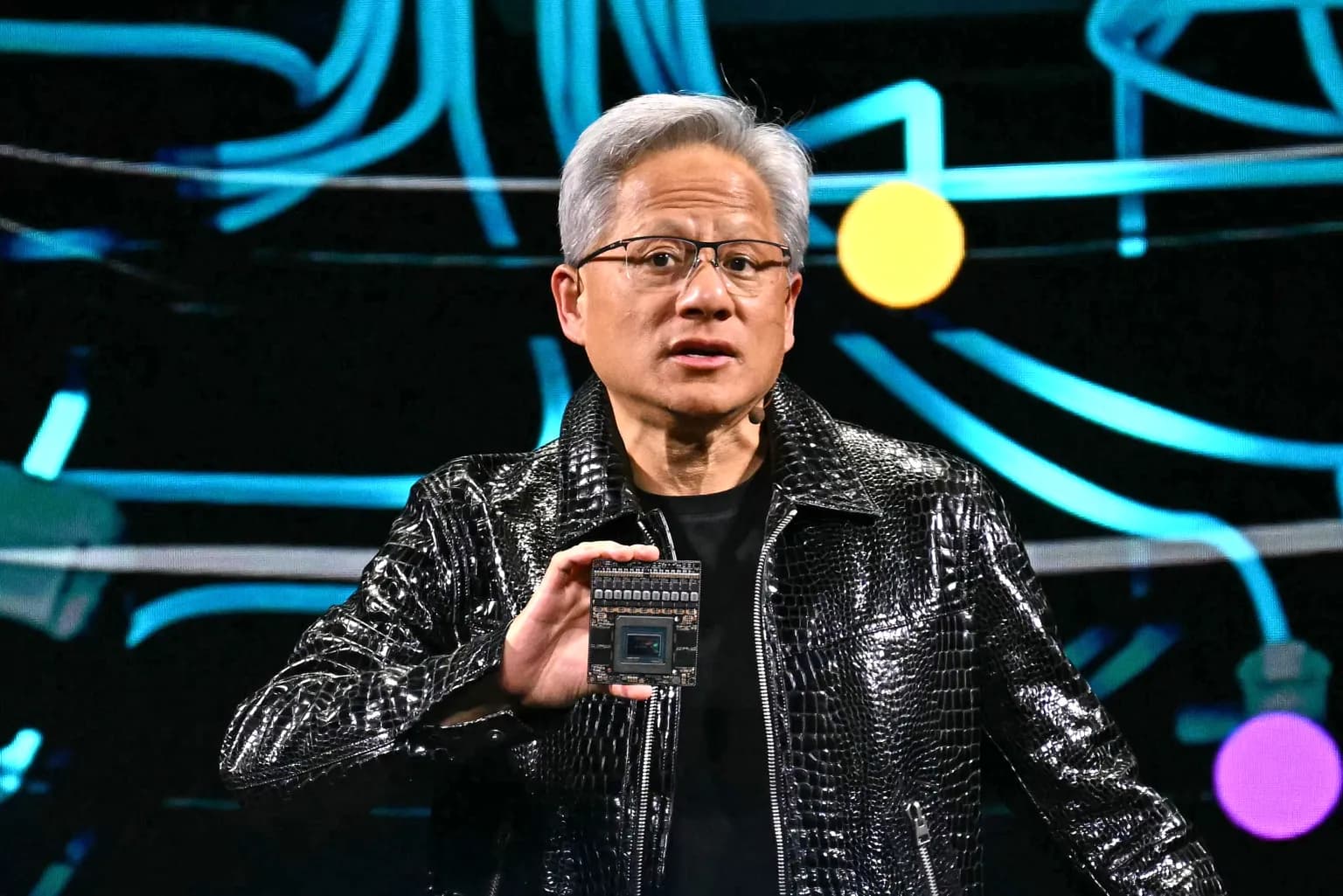
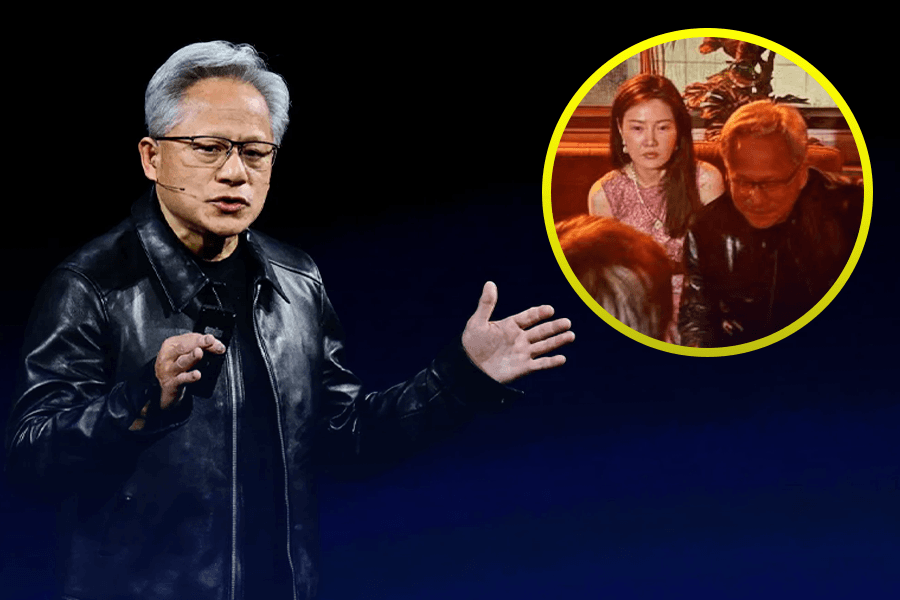
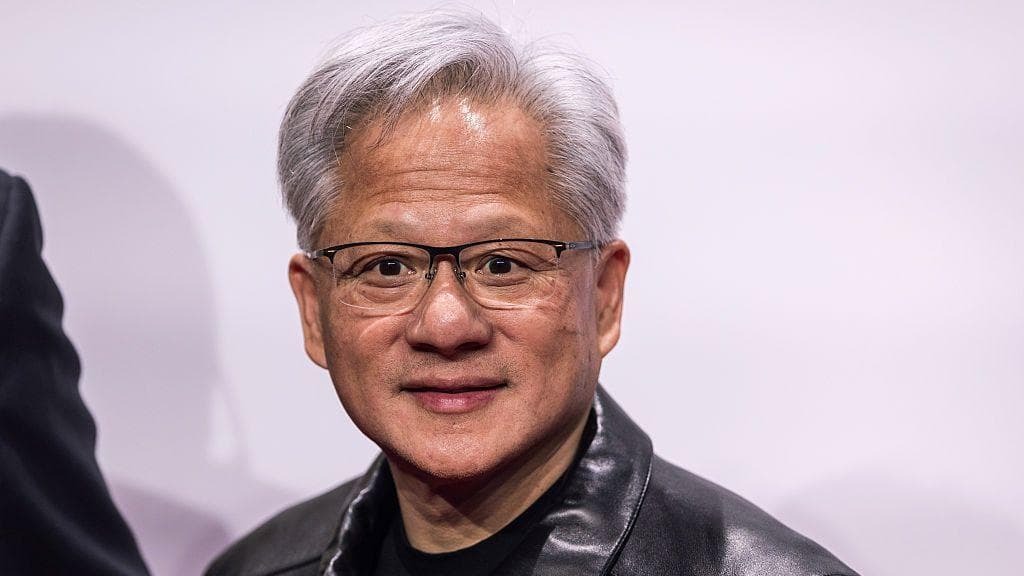
Nvidia CEO Jensen Huang has admitted to a relationship with a woman whom US intelligence agencies believe is an agent of Chinese intelligence. The Financial Times was first to report the story: it concerns Alice X., a top executive at Singapore-based Megaspeed — an Nvidia client suspected of attempting to circumvent export controls and smuggle advanced Nvidia chips into China. According to the FT, the US government and intelligence community believe she was recruited by China's Ministry of State Security. Officials prepared a memorandum on these allegations shortly before Donald Trump's visit to Beijing for a summit with Xi Jinping in May. Details are reported by Deutsche Welle.
The Company's and the White House's Response
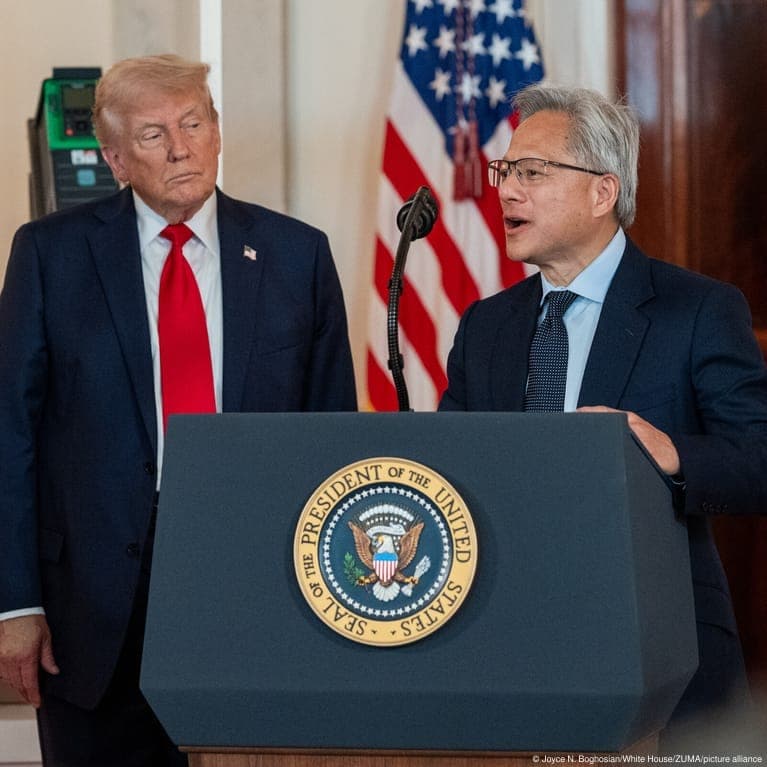
Nvidia has launched an investigation led by independent members of its board of directors and an outside law firm. In a statement published on Sunday, the company said Huang had been 'the target of a foreign intelligence operation' and stressed: 'The Board has no reason to believe that Nvidia's national security or secrets have been compromised, but the investigation will examine all available information.' The company's shares fell at the start of trading on Monday. US intelligence officials have not publicly commented on the allegations, but Trump, who maintains a close relationship with Huang, took his side: 'He's a worthy man... I just know he's a good man, but you never know what happens. I hope everything is fine.'
What This Means for Nvidia
The reputational blow has landed on Huang personally, not on the company's technological foundation. Asian tech journalist Tim Culpan, commenting to DW, noted that Nvidia 'will still make excellent chips' and sell them to millions of customers, but Huang's own opinion will now carry far less weight, which in the long run will affect the company's corporate interests. Analyst Richard Windsor sees the problem as more acute: the company has been built around Huang for decades, he personally made the key decisions, and there is no obvious successor — 'it looks like we are about to find out just how much the market considers the company dependent on its iconic founder and CEO.' Windsor, however, expects Huang to weather this 'serious test,' and doubts that Chinese AI has substantially benefited from Nvidia's technology or illegally imported chips, pointing to Beijing's own ambitions in semiconductor manufacturing and its requirement that companies buy domestic chips.
Context: Chips, China and Export Controls
Nvidia's and Huang's attitude toward Chinese customers has long irritated US intelligence. Huang repeatedly persuaded Trump to ease chip export restrictions to China, arguing that Chinese dependence on Nvidia would prevent Huawei and other competitors from catching up with the US. A 2025 export control agreement sharply limited sales, but Trump then allowed the export of older H200 chips to China in exchange for a government share of the revenue. However, the deal became bogged down in strict license reviews in Washington, while Beijing imposed its own import restrictions despite demand from Chinese companies. Many US intelligence officials reject Huang's argument: they fear that unrestricted Chinese access to the most advanced chips would strengthen the local AI sector and lead to the use of such models for military purposes. Washington's main fear in connection with the affair story is that Beijing may have obtained vital commercial secrets about the production of Nvidia's advanced chips.
An Unfortunate Moment
The news comes at a difficult time for Nvidia — the leader in manufacturing advanced AI semiconductors, which in October 2025 became the world's first company valued at $5 trillion. In recent weeks, doubts about the sustainability of the AI boom, with capital expenditures of $9 trillion, have triggered a large-scale selloff of boom-related stocks, and the Democrats' convincing victory in the US midterm elections has heightened concerns — voters oppose the construction of data centers.