The key facts
- Jensen Huang admitted a relationship with Alisa Huang, whom US intelligence considers recruited by Chinese intelligence services
- Nvidia's independent directors are investigating the incident with outside lawyers, and Congress is demanding a briefing
- China accounts for about 8% of Nvidia's revenue, but Beijing is pushing companies toward domestic chips
An admitted affair and recruitment allegations
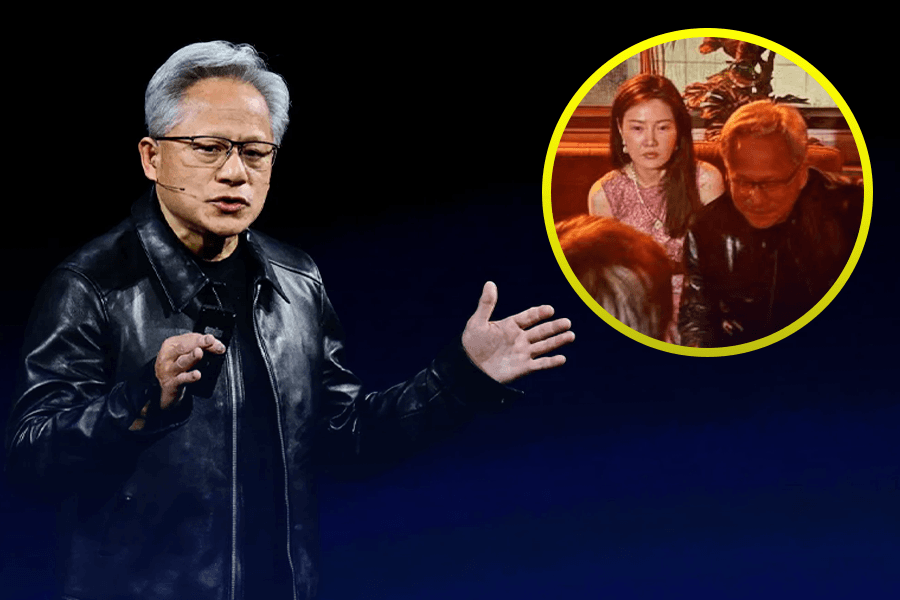
The Financial Times reported on Friday, that Nvidia CEO Jensen Huang had been in a relationship with Alisa Huang, a former top executive at Megaspeed, an Nvidia client. According to the outlet, US intelligence believes Alisa Huang was recruited by Chinese intelligence services to gather information about the company's chief and influence his efforts to ease chip export restrictions. On Sunday, Huang admitted the affair and apologized in a message to employees. The investigation is being conducted by Nvidia's independent directors together with outside lawyers, and congressional committee chairs have already demanded that Huang testify about his relationship with a 'Chinese intelligence asset'.
Why this coincided with a sensitive moment
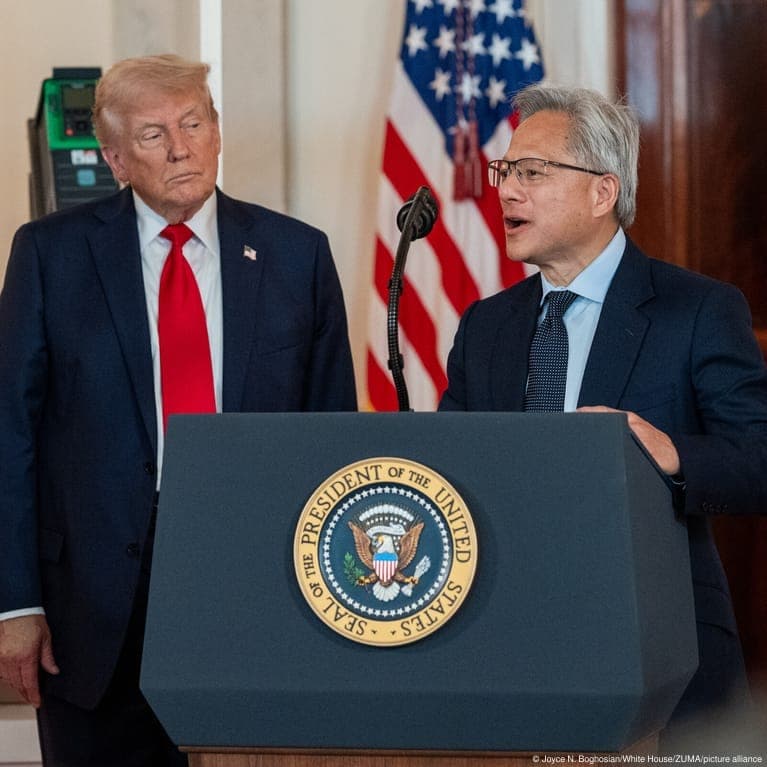
The scandal emerged against the backdrop of Nvidia's fight for access to the Chinese market. According to TechCrunch, in the three months ended July 26, the company received $7.9 billion from customers headquartered in China — about 8% of total revenue. For years, Huang lobbied for the easing of restrictions: he repeatedly met with Donald Trump and his administration, after which the authorities allowed the export of H20 chips, and later the more powerful H200. Publicly, he called export controls 'a failure' and said that splitting the US and China into two separate AI ecosystems 'makes no sense', warning that isolation would only accelerate the creation of Chinese competitors.
What is already changing in practice
China is moving in exactly the direction Huang predicted: Reuters reported last week that about 600,000 H20 chips are piling up in Hong Kong awaiting delivery to mainland China, because Beijing is not granting import approval and is pushing AI companies to buy products from local manufacturers. TechCrunch notes that Huang's lobbying activity began long before he met Alisa Huang at an Nvidia event in early 2024, so the suggestion that the affair served as a 'stimulus' for him to seek access to China seems a stretch. Nevertheless, the outlet points to a practical consequence: the allegations could undermine trust in Nvidia's assurances that the company is able to prevent sensitive technology from reaching unauthorized users. According to the New York Times, Secretary of State Marco Rubio earlier this year warned officials close to Trump about Huang's connection to the alleged spy. Nvidia did not respond to a request for comment; the key open question is whether Huang can convince Washington that the company is still conducting business with China responsibly.