The key facts
- Nvidia's board launched an investigation following reports that Huang had been the target of a foreign intelligence service
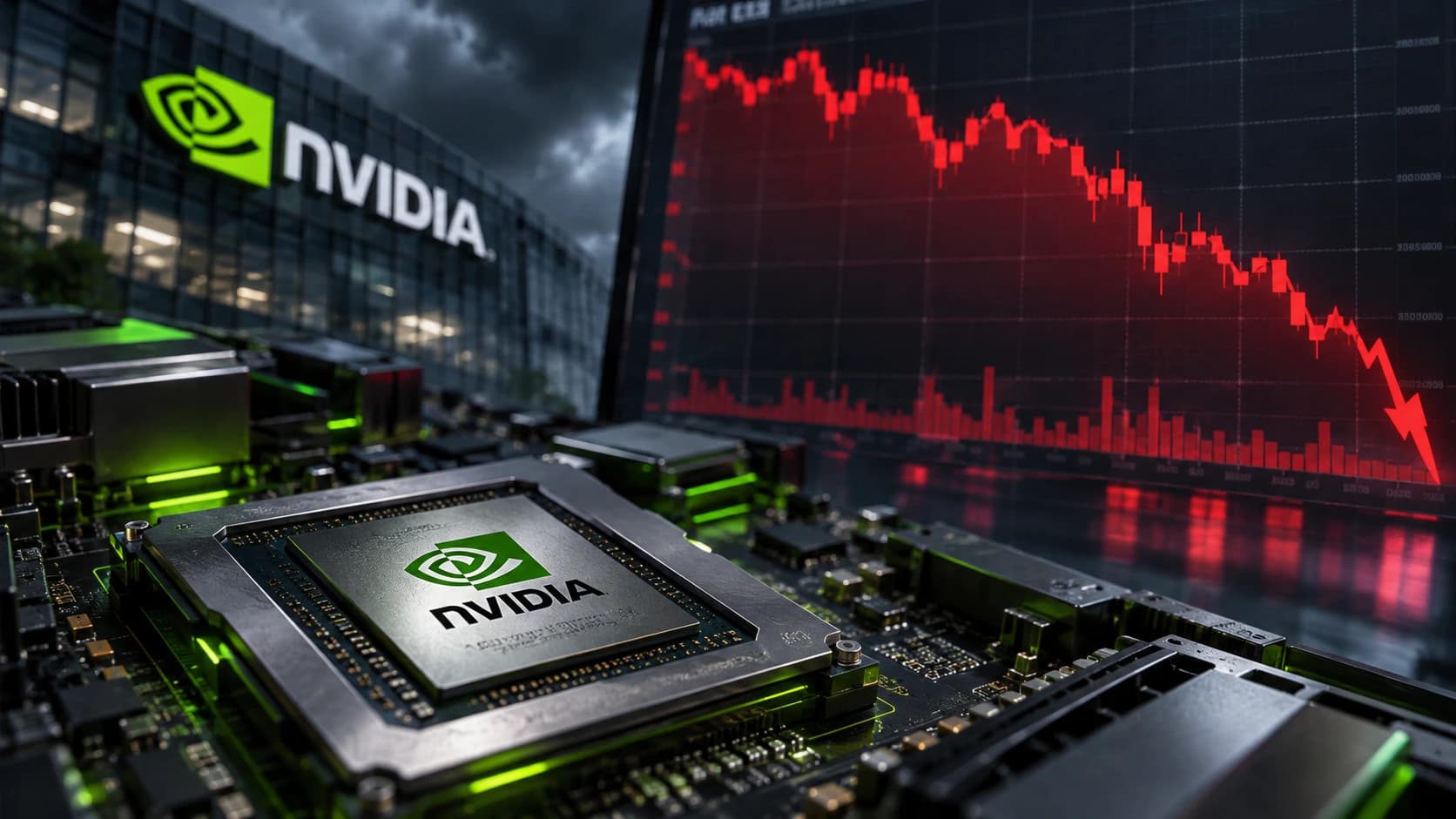
- Shares fell by about 6%, with roughly $250 billion of market capitalisation wiped out
- Huang owns only about 3.5% of the company and cannot block board decisions
Investigation and share price fall
Nvidia's value has fallen by hundreds of billions of dollars after the company announced an independent investigation following reports of a romance between its founder and chief executive Jensen Huang and an alleged Chinese spy. On Monday the shares fell by about 6%, wiping roughly $250 billion (£190 billion) off the market capitalisation, BBC News reports. The investigation was announced after publications claiming that, in the view of the United States, Nvidia's chief had become a target of a Chinese industrial espionage campaign. The board of directors said it was launching a review 'in light of recent reports' that Huang had been the target of a foreign intelligence service, while the company itself stated it had no reason to believe its secrets or national security had been compromised.
What is known about the alleged spy
According to the New York Times,which the BBC cites, US intelligence officials believe that Alice Huang, also known as Huang Le, was a spy for Beijing. The outlet reports that Secretary of State Marco Rubio sent a memorandum to senior officials in Washington as far back as last spring warning about the Nvidia chief's close relationship with a Chinese spy. Alice Huang served as managing director of the Singapore-based company Megaspeed, which did business with Nvidia. China rejected the accusations: the Chinese Foreign Ministry called the claims about Chinese spies 'entirely baseless, speculative and aimed at smearing China'. Huang himself admitted he had been 'unfaithful' to his wife, apologised to her and their children, declared his commitment to protecting Nvidia and US national security, and promised to cooperate with the investigation.
Reaction and context for investors
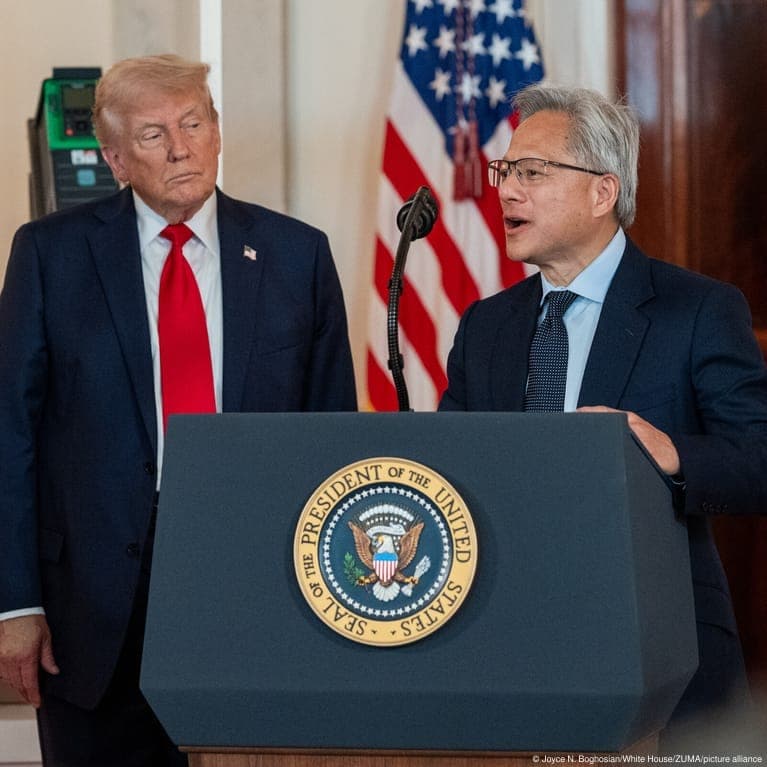
After the investigation was announced, a number of major tech executives, including Elon Musk, spoke out in support of Huang continuing to lead the company. US President Donald Trump called the Nvidia chief 'a good guy'. Analysts suggest the damage to the company will be short-lived: Victoria Fernandez, chief market strategist at Crossmark Global Investments, noted in a comment to the BBC that investors will not abandon Nvidia, since the company is the core of the AI industry. At the same time, as the BBC notes, Huang's position is more vulnerable than that of other tech founders: he owns only about 3.5% of the shares, and Nvidia uses a single-class voting structure, so his stake does not allow him to block board decisions — unlike Mark Zuckerberg or Musk, who hold significant stakes in different classes of shares. Fernandez does not expect Huang to be removed without clear evidence of violations in the area of national security or intellectual property, but suggests the board will begin preparing a 'number two' for the future. The moderate fall in the shares, according to the BBC, indicates that investors consider Huang's departure unlikely, but the outcome of the investigation will be closely watched.
Context of trade restrictions
The situation unfolds against the backdrop of Nvidia's chips having become a key element of the US-China AI race, with the White House previously imposing restrictions on the sale of advanced products. The company's second most powerful chip, the H200, was previously restricted by Washington over concerns that it would give China's technology sector an advantage. Huang opposed sales restrictions to China, arguing that the global spread of AI is better ensured with American technology. In January, the Trump administration allowed the company to sell H200 chips to Chinese customers under certain conditions. Separately, the BBC reminds readers that fluctuations in Nvidia's value affect not only shareholders: savings and pensions invested in funds tracking indices that include the company may also be affected by the movement of its shares.
 Image source, Getty Images