The key facts
- The draft will replace the 2005 directive with a regulation that applies directly in all 27 EU countries
- The list of “dark patterns” is deemed unfair under all circumstances — harm does not need to be proven in each individual case
- The Commission’s assessment: consumer benefit of €88.4 billion over 2025–2035 versus €678 million in annual business costs
What the leak contains
The European Commission plans to outright ban ten manipulative design elements used on websites and apps — from false claims that a product is about to sell out to pre-ticked paid options and intrusive pop-ups. This follows from the draft Digital Fairness Act, which Euronews has seen; the official presentation is scheduled for Wednesday. The Commission itself, according to its spokesperson, “does not comment on leaks”.
The list of “dark patterns”
The core of the draft is a list of ten practices deemed unfair under all circumstances. This marks a shift in approach: regulators will no longer have to prove harm in each individual case. The list includes: cancelling a service being noticeably more complicated than subscribing; hiding prices or auto-renewal terms; false hints that no alternatives exist; false claims about a product’s availability or popularity; repeated scarcity warnings at every stage of checkout; pre-selected options that add items; presenting refusal as an “incorrect choice”; pressure to change a choice already made; confusing double negatives; and fake notifications that someone has contacted the user. The Commission will be able to expand the list without going to legislators.
Beyond the list: prices, children, subscriptions and AI
The draft also bans hidden drip pricing, where mandatory fees appear only at checkout, and “was/now” discounts calculated from the manufacturer’s recommended price rather than a competitor’s actual price. For children in video games, paid loot boxes and pay-to-win mechanics will be banned; in-game currencies must display their value in real money and be disabled by default for children without parental approval. Advertising based on profiling minors will be banned for all traders, not only the large platforms covered by the Digital Services Act. All users will gain the right to switch off auto-play, unsolicited notifications, “streak” rewards and chatbots that simulate relationships. Free trials will no longer be able to automatically convert into paid subscriptions without active consent; reminders before auto-renewal and the right to speak to a live support agent will be introduced. For the first time in EU consumer law, rules are being set for AI shopping agents: the user decides which purchases the agent must get approval for, and agents must disclose sponsored offers.
The figures, the timeline and Berlin’s resistance
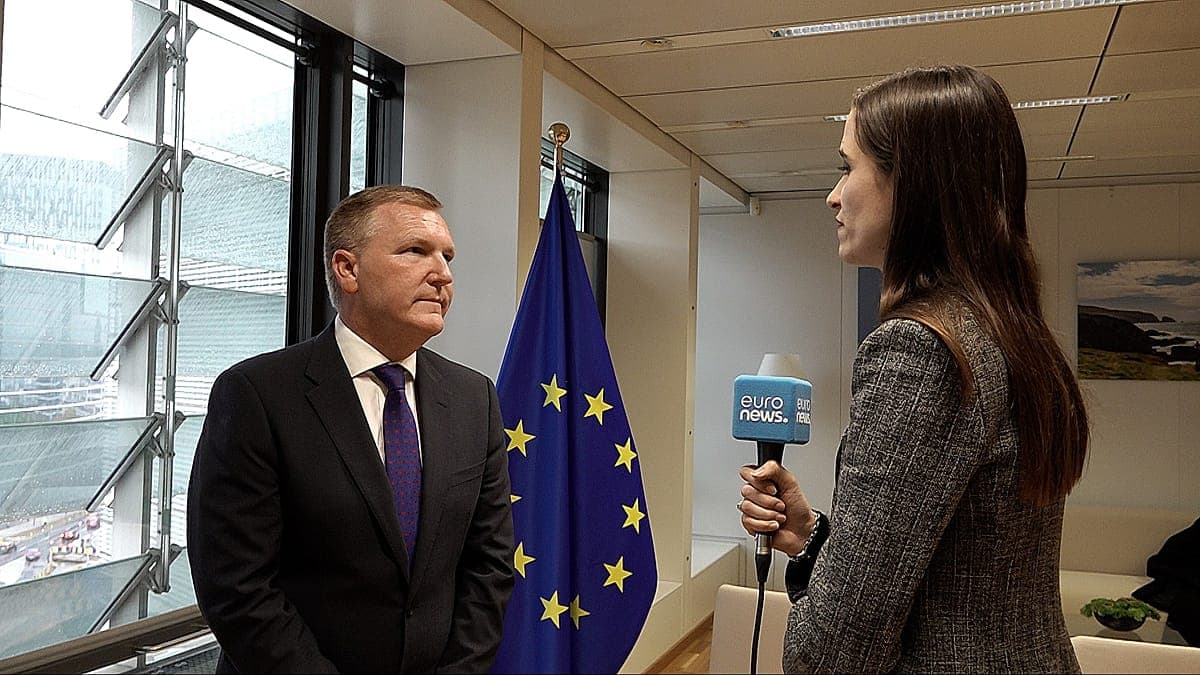
According to the Commission’s impact assessment, the rules will save consumers €88.4 billion in financial losses between 2025 and 2035; including lost time, the annual benefit will be €13.7 billion against €678 million in annual costs for businesses. Fines could reach 6% of a company’s global turnover. The 2005 directive on unfair commercial practices will be replaced by a regulation that applies directly in all 27 member states; it will start to apply 12 months after entry into force and must be approved by the European Parliament and the EU countries. There is already resistance: in an unofficial document dated 14 October, cited by Agence Europe, the German government stated that existing directives should be amended rather than creating a new horizontal law, and that the need to turn the 2005 directive into a regulation “has not yet been sufficiently justified.” Consumer Protection Commissioner Michael McGrath, who oversees the dossier, previously told Euronews that the law is “an initiative aimed at both consumers and business” that will reduce the administrative burden.