The key facts
- China suspended export restrictions on a portion of critical minerals for two months, until January 10, 2026
- Beijing also froze the 24% tariff on US goods, keeping the 10% duty in place
- The US extended 178 tariff exclusions and suspended the Section 301 investigation in the maritime sector
Truce extension ahead of the APEC summit
On Monday, China announced a two-month suspension of export controls on a portion of critical minerals, formalizing the extension of the bilateral trade truce that was due to expire on Tuesday. The extension runs until January 10, China's Ministry of Commerce said. At the same time, China's finance ministry announced a two-month suspension of the 24% tariff on American goods, while keeping the 10% duty in place. The National reports this.
Washington's reciprocal steps
The United States also took formal steps: the Office of the US Trade Representative announced in the Federal Register the suspension of actions under the Section 301 investigation into China's maritime and logistics sectors, and in a second document, the extension of 178 existing tariff exclusions for Chinese goods.
What underpins the deal
In April, China introduced export controls on seven heavy rare earth elements, and in October expanded the list; earlier, the restrictions also affected battery supply chain bottlenecks — cathode materials, their precursors and graphite anodes. The world's dependence on Beijing is substantial: according to International Energy Agency figures cited by the outlet, in 2024 China accounted for 60% of global rare earth mining for magnets and 91% of refined output, and its share in permanent magnets is even higher. The one-year truce was concluded in October at the summit in Busan, South Korea: the sides froze mutual tariffs, postponed restrictions on rare earth metals, and China pledged to resume purchases of American soybeans.
Distrust persists
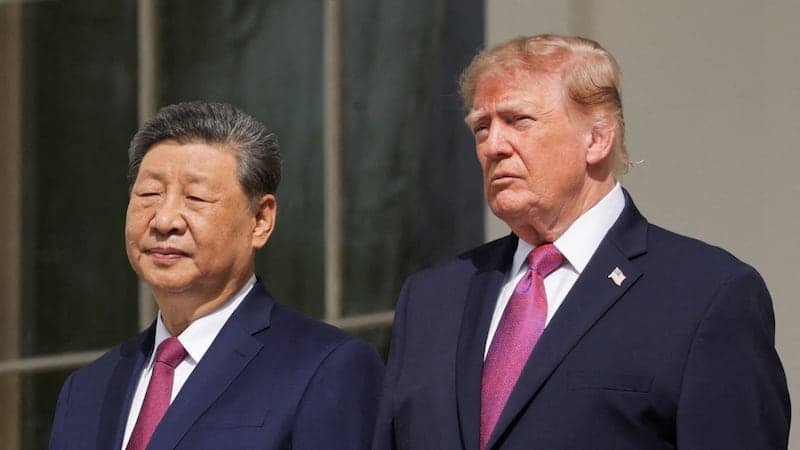
The extension comes amid mutual grievances. US Treasury Secretary Scott Bessent last week urged Chinese Vice Premier He Lifeng to fully and immediately implement the Busan agreements, expressing concern over recent Chinese actions. Trade Representative Jamieson Greer said it remains important for China to fully honor its commitments, especially on agricultural purchases, rare earths and other critical minerals. A former senior US official noted that there are people in the administration who believe China has promised more than it delivers, and that the complaints from Bessent and Greer concerned precisely critical minerals. Beijing, for its part, expressed serious concern over US sanctions against two Chinese companies over their alleged ties to Cuban oil shipping networks. The meeting between Donald Trump and Xi Jinping on the sidelines of the APEC summit in Shenzhen next week will be their third this year.