The key facts
- Meat and pomegranate juice can be part of the diet but do not replace anemia treatment
- Anemia has various causes: iron, B12 or folic acid deficiency, inflammation, kidney disease, blood loss
- With ongoing blood loss, even iron-rich food is of little use — the source must be found
Diet does not replace treatment
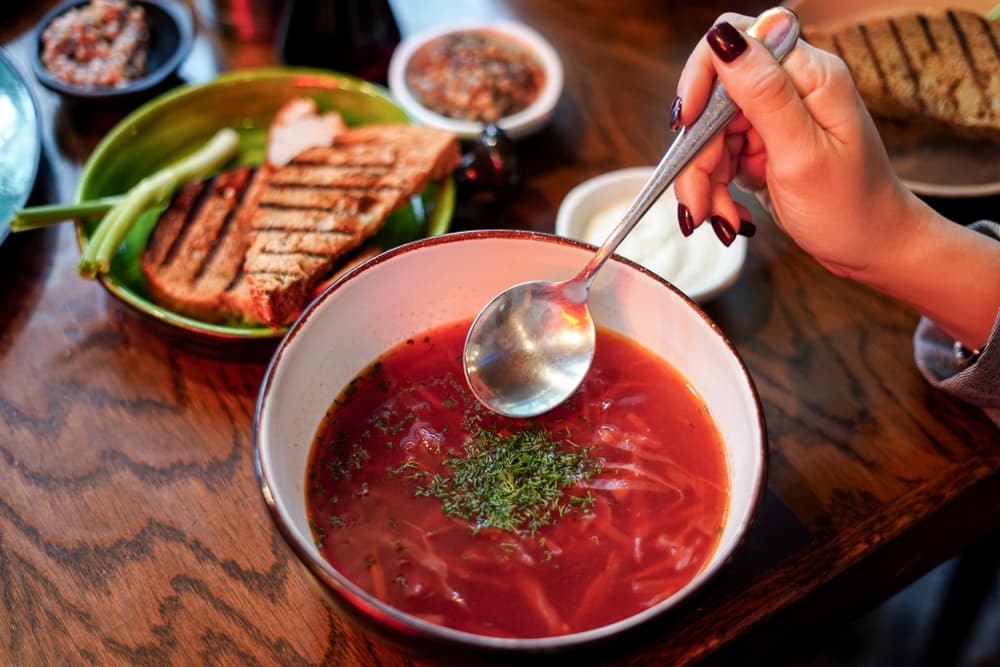
Trying to raise hemoglobin with red meat and pomegranate juice alone can result in lost time: these foods do not replace treatment, and with some types of anemia they have almost no effect on blood counts. Gazeta.Ru was told this by Maxim Gubka, a therapist at SM-Clinica. According to him, meat and pomegranate juice can be part of a balanced diet, but considering them an independent treatment for anemia is wrong — their effectiveness depends primarily on the cause of the drop in hemoglobin.
Why one diet does not suit everyone
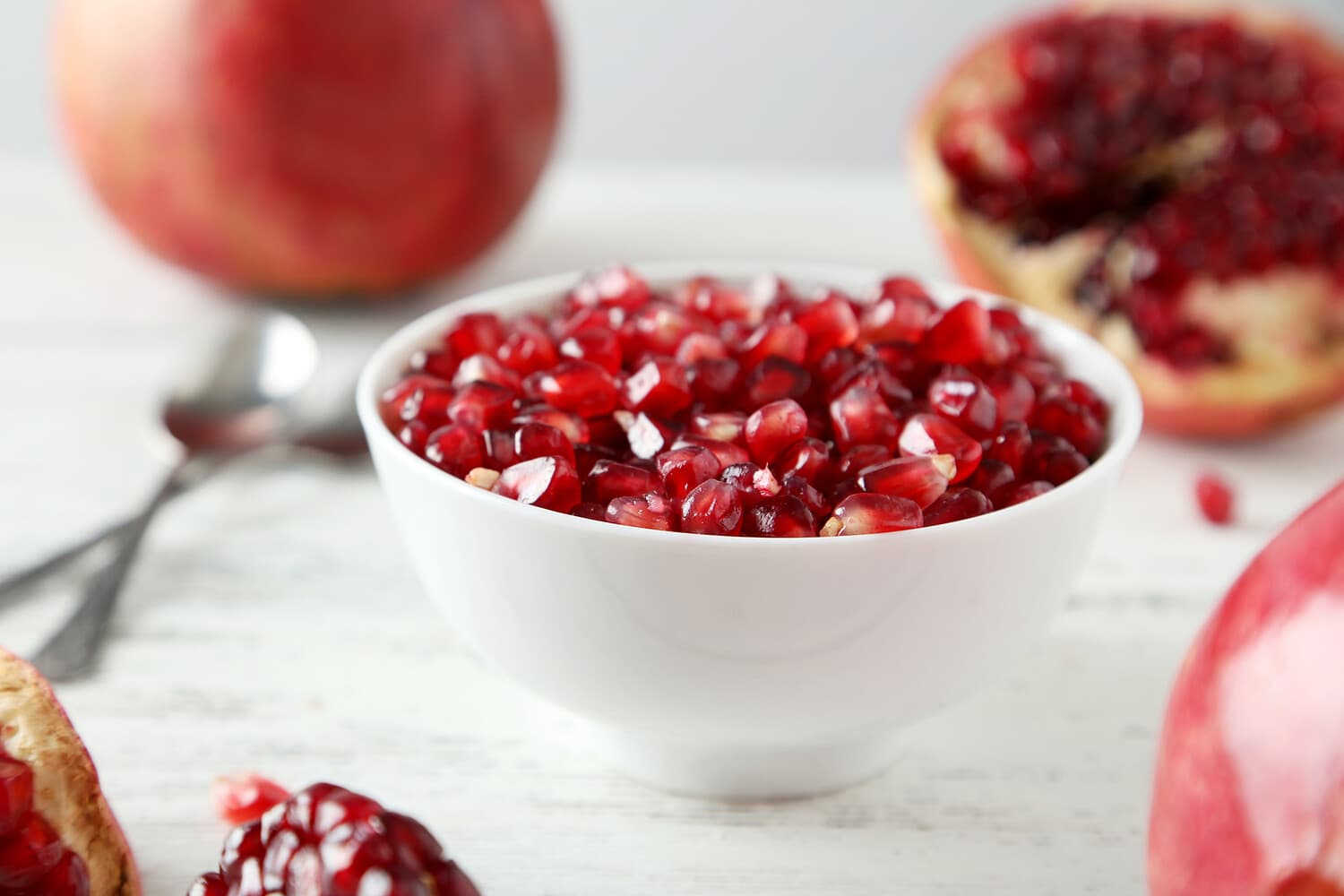
Anemia is not a single disease but a condition that arises from iron deficiency, vitamin B12 or folic acid deficiency, chronic inflammation, kidney disease, blood loss, and impaired blood formation. Red meat does contain heme iron, which is absorbed better than iron from plant foods, but the amount in an ordinary serving is most often insufficient to quickly replenish a pronounced deficiency. Pomegranate juice, contrary to popular belief, is not a particularly rich source of iron and on its own cannot noticeably raise hemoglobin; moreover, it contains a lot of natural sugars, so the doctor does not advise drinking it by the liter for the sake of 'blood building.' 'Diet helps maintain iron stores and prevent their depletion again, but with diagnosed iron deficiency anemia, medications prescribed by a doctor are usually required,' Gubka noted.
When diet is useless in principle
Even iron-rich food is of little use if a person continues to lose blood. The cause may be heavy menstruation, a stomach ulcer, intestinal diseases, hemorrhoids, the use of certain medications, or hidden gastrointestinal bleeding — in such cases it is necessary not only to replenish iron but also to find the source of the blood loss. Iron absorption is also impaired in celiac disease, inflammatory bowel diseases, and after surgery on the stomach and intestines, while with chronic inflammation iron stores may be present but not used for blood formation. Iron-rich foods will not help either with anemia caused by vitamin B12 or folic acid deficiency, kidney disease, destruction of red blood cells, or impaired bone marrow function. A complete blood count, ferritin, iron metabolism indicators, and, if necessary, vitamin B12 and folic acid levels, kidney function assessment, and additional tests can help identify the cause. The article supplements the publication's earlier piece on the non-obvious signs of anemiathat are often ignored.