The key facts
- On November 3, the Legislative Chamber adopted a law on land tax and property tax exemptions for textbook producers with a share of income from this activity of at least 90%
- Deputy Behzod Tuhtamurodov demanded that the exemptions be justified: no statistics on publishing houses or forecast calculations were presented
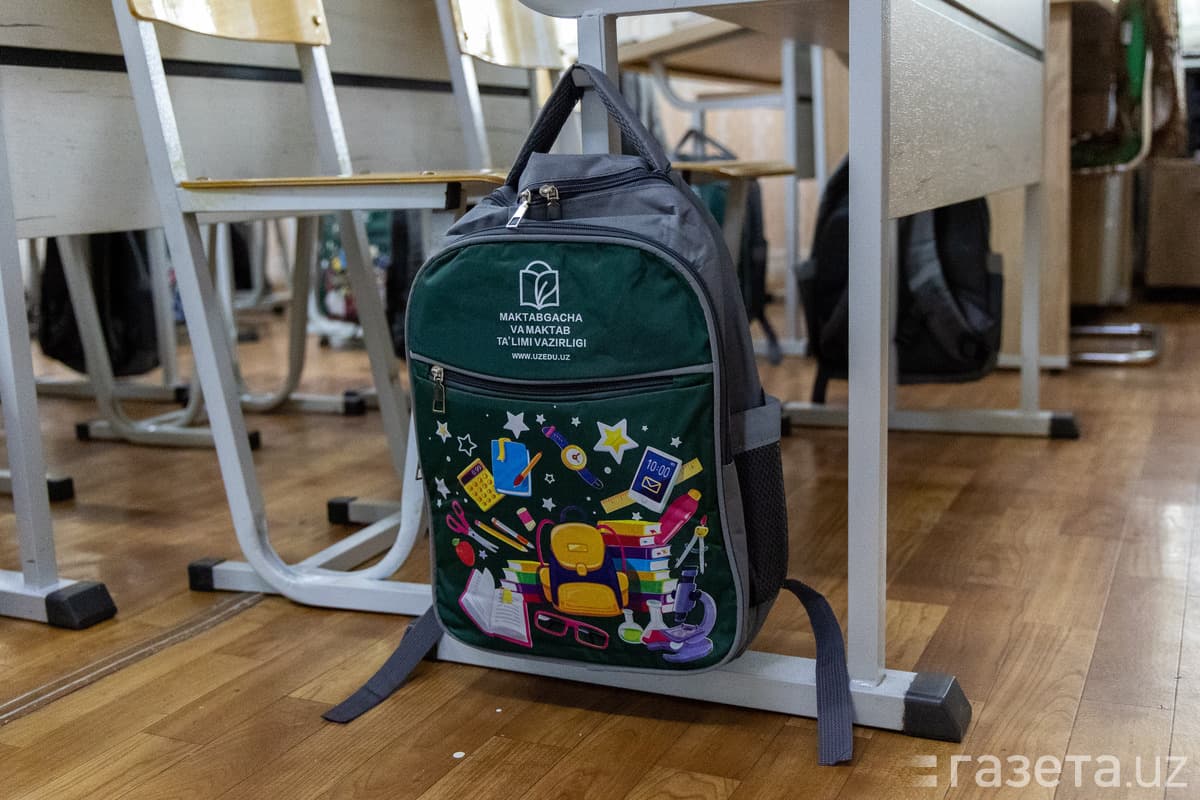
- The 2026 budget allocates almost 2 trillion sums for updating textbooks — 53% more than in 2025
What the parliamentarians adopted
On November 3, the Legislative Chamber of the Oliy Majlis adopted a law aimed at supporting entrepreneurship and forwarded it to the Senate; the document was approved in its first reading on October 27. The amendments clarify Article 59 of the Tax Code: enterprises producing educational-methodological complexes and other teaching materials recommended by the authorized state body for schools will be able to receive exemptions from the land tax and the property tax — but only if income from this activity accounts for at least 90% of their total income. Gazeta reports this. The wording of a number of articles of the Tax Code has also been brought into line with the law “On Education”.
The debate: “Do we lack textbooks?”
At a meeting of one of the parliamentary factions, deputy Behzod Tuhtamurodov questioned the very need for exemptions on property used to create textbooks and manuals, including digital, audio and video formats. “What grounds do we have for granting this exemption? What is the problem in this sphere? Please provide the figures,” he said, adding: “Do we lack textbooks? If there are enough of them, then what is the issue?”. A video of the discussion appeared on Instagram on October 28. A representative of the drafters explained that the exemptions are aimed at developing competition and attracting new entrepreneurs, but no statistics on the number of publishing houses and potential beneficiaries of the exemptions were presented to the deputy. The drafters promised to additionally prepare data on the number of publishing houses and forecast calculations, including the estimated budget losses from the exemptions; no specific figures were voiced in the published excerpt.
Context: textbook shortages and procurement
The deputy’s question comes against the backdrop of parents repeatedly complaining on social media in recent years about a shortage of textbooks — in some cases they had to buy or print the materials themselves. At the same time, the 2026 budget allocates almost 2 trillion sums for updating school textbooks — 53% more than in 2025; the plan was to supply schools and preparatory groups with 106.4 million copies of textbooks, workbooks and manuals. The publication also notes: previously, tenders for printing textbooks were held through etender.uzex.uz with the publication of data on winners, print runs and costs, but no similar procurement announcements for 2023–2026 could be found in open sources. Thus, the law expands incentives for private publishing houses, but the question of the effect of these exemptions remains open — the figures the deputy demanded have only been promised for later.
Other provisions of the bill
In addition to the exemptions for publishing houses, the document provides for reduced coefficients to the land tax rate for farms harvesting more than 50 centners of cotton or more than 80 centners of grain per hectare; the Ministry of Agriculture will transmit data on actual yields to the Tax Committee. For rice-growing and fish-farming farms without digital water consumption meters, the tax rate for the use of water resources will be applied at double the amount. This provision also sparked disputes: UzLiDeP deputy Saydullo Azimov warned of an additional burden on entrepreneurs in remote areas and proposed, instead of raising taxes, to encourage the installation of metering devices. Deputy Minister of Water Management Utkir Sheraliev replied that water-saving technologies save about 30–40% of water, and recalled the existing mechanisms for reducing the tax burden for farms that adopt them. The bill also contains amendments on exemptions for enterprises engaged in the collection, sorting and processing of waste, and for investors in certain projects.