The key facts
- 25 seafarers have died in tanker attacks in the Strait of Hormuz since the start of the conflict; more than 130 attacks on commercial vessels have been recorded
- 25 sailors have died in tanker attacks in the Strait of Hormuz since the conflict began; more than 130 attacks on commercial vessels have been recorded
- Up to 400 vessels with about 6,000 seafarers remained blocked at sea as of late October
- The Mission to Seafarers' happiness index fell from 7.18 to 6.81 — the third consecutive decline
- The Mission to Seafarers' Happiness Index fell from 7.18 to 6.81 — the third consecutive decline
Tanker attacks are claiming the lives of crews
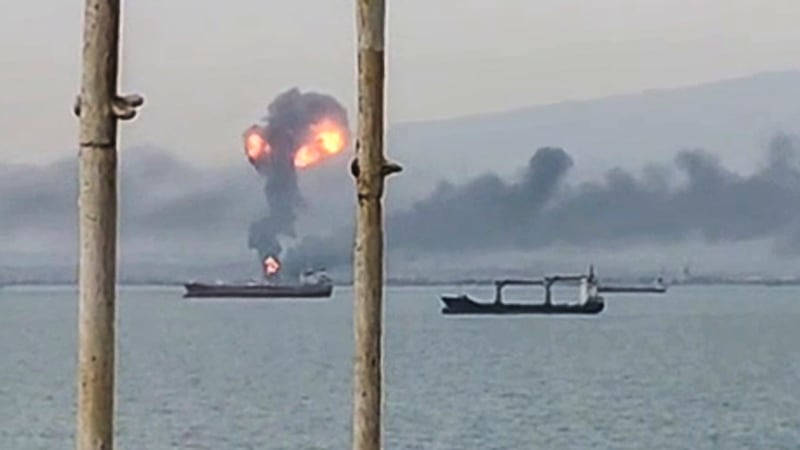
The deaths of 25 seafarers in tanker attacks in the Strait of Hormuz since the start of the war with Iran have prompted shipowners to reconsider crew protection measures and have once again drawn attention to seafarers' right to refuse to work in conflict zones. According to The National, more than 130 attacks on commercial vessels have been recorded in the region since the conflict began on 28 February. After the attack on the tanker MT Velos Sapphire on 5 November, International Maritime Organization Secretary-General Arsenio Dominguez called for stronger protection of seafarers regardless of their nationality, noting that seafarers continue to be killed, suffer serious injuries or be abandoned by shipowners, while some are denied repatriation and basic conditions.
Blocked vessels and the Philippines' legal response
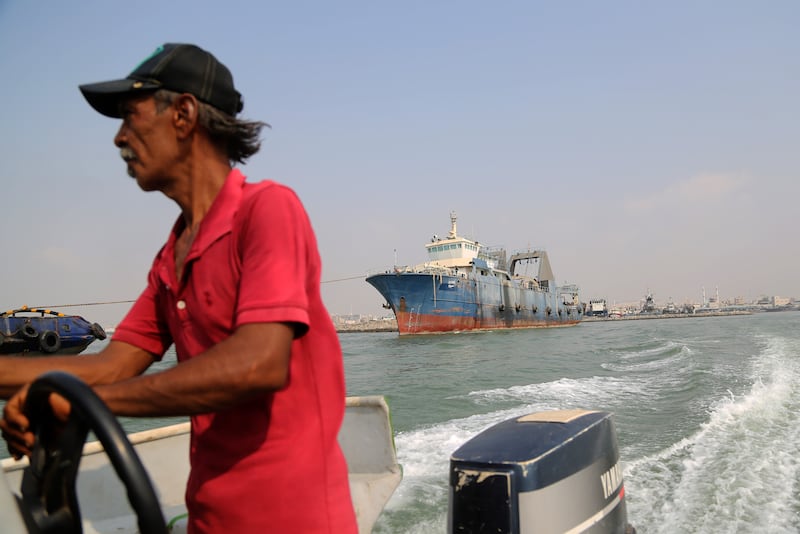
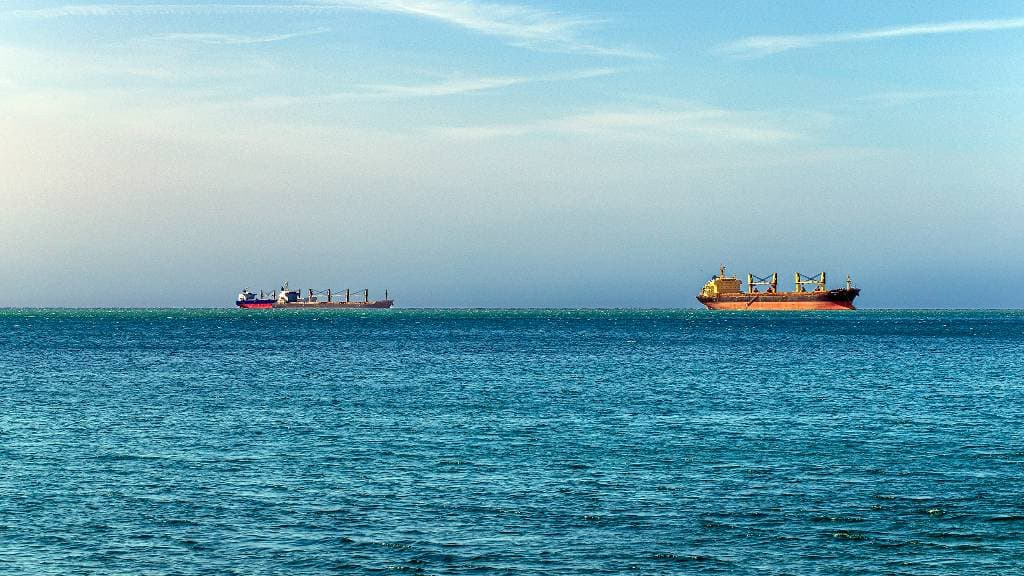
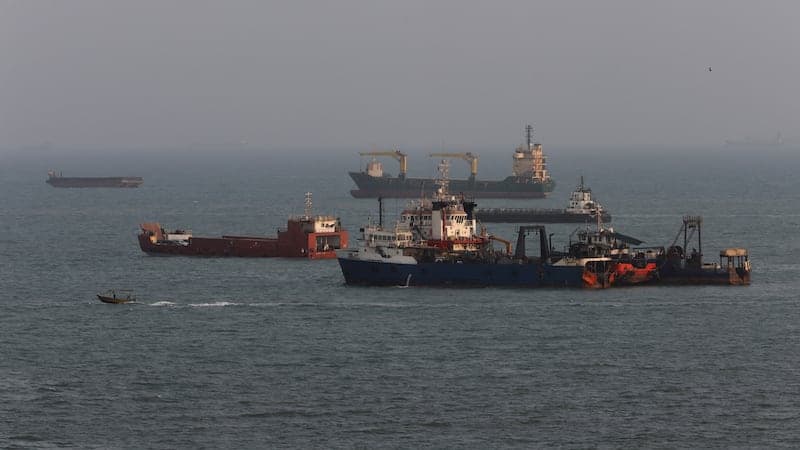
About a quarter of the world's seafarers are Philippine citizens, with around 500,000 deployed each year. The country's Department of Migrant Workers declared the Persian Gulf, the Strait of Hormuz and the Gulf of Oman war zones and banned the deployment of seafarers on vessels passing through high-risk zones. Despite this, seafarers continue to sign contracts because of higher wages for working under maritime threats. According to Abdulla Al Hashmi, DP World's global chief operating officer for parks and economic zones, as of late October up to 400 vessels with roughly 6,000 seafarers on board were still stranded at sea; he said efforts were being made in the UAE and Dubai to support the stranded seafarers — with food, water and medical assistance.
Psychological pressure and shipowners' abandonment of crews
At the annual Tristar Safety At Sea conference in Dubai, seafarers from tankers near Mumbai, Delhi and Manila joined online to discuss psychological support. The Mission to Seafarers' Happiness Index, measured quarterly, fell from 7.18 out of 10 in the first quarter to 6.81 — the third consecutive decline. The organisation's programmes director, Ben Bailey, said about eight vessels had been abandoned by their owners off the UAE coast, although the overall number of abandoned vessels has fallen: if there were 15–20 at the start of the crisis, there are now 8–10. He quoted one seafarer who said that at the start of the war he was panic-stricken by missiles and drones in the sky, but now perceives them almost as fireworks; Bailey called such normalisation of trauma a warning sign. Crews are also facing rising piracy: the IMO recorded 17 cases of attempted and committed pirate attacks and armed robberies in the region since the beginning of the year.
Incidents off the UAE coast and the issue of suicides
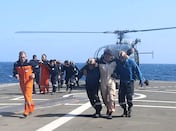
An oil spill from a tanker 25 km off the coast of Umm Al Quwain is linked to an incident involving the tanker Gem No 2, which is believed to have struck a mine. On Sunday, a cargo ship in the Gulf of Oman issued a distress signal due to a fire on board; 22 crew members were evacuated with the support of the UAE National Guard. According to the International Labour Organization, of the 449 deaths at sea recorded in 2024 — the last year with complete data — 26 were suicides. Tristar chief executive Eugene Mayne linked this to the need for psychological support and called on shipowners to make three practical commitments: protect the person, provide for basic needs — food, fresh water, rest and medical care, reliable contact with home and safe repatriation. The IMO also condemned the Yemeni Houthi attacks on commercial vessels in the Red Sea and the Bab el-Mandeb Strait, as well as Russia's attacks on seafarers, tankers and port infrastructure in the Black Sea.