The key facts
- The Commander of the Finnish Navy suggested that Russia has reached the limit of its peacetime capabilities in the Baltic Sea
- The situation at sea, he said, is tense but stable; he called for de-escalation
- NATO, according to an unnamed alliance military official, keeps roughly four ships in the region for every Russian one
Assessment by the Commander of the Finnish Navy
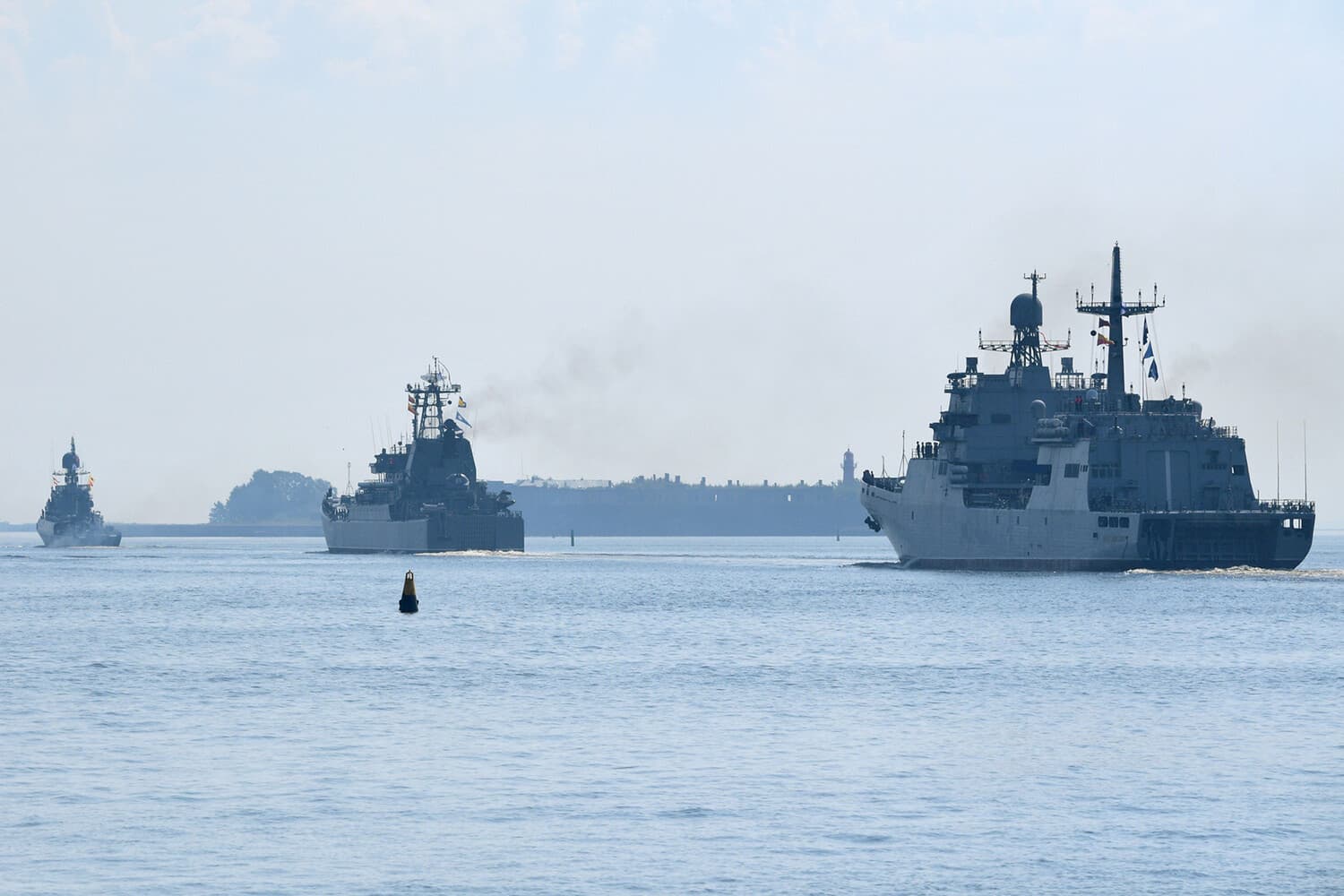
The situation between Russia and NATO in the Baltic Sea remains tense but stable, and it should be de-escalated rather than aggravated. This was stated in an interview with Sky News by the Commander of the Finnish Navy, Tuomas Tiilikainen. According to him, the Russian fleet is monitoring the actions of Finland and NATO, while the Finnish side, in turn, is obliged to remain vigilant and observe Russian ships.
Limits of capability and deterrence
Tiilikainen noted that, in his observation, the Russians see no 'immediate need' to increase their presence or combat readiness in the region, and suggested that Russia may have reached 'the limit of its peacetime capabilities' in the Baltic Sea. In his assessment, expanded surveillance and NATO patrols are most likely already working as a deterrent, with the alliance having demonstrated the ability to respond to potential threats without escalation. He also named the main current risks in the region: poorly trained crews and aging tankers, because of which a maritime accident could turn into a major environmental disaster.
Context of the Baltic Sentry mission and incidents
NATO's Baltic Sentry mission was launched in January 2025 to strengthen maritime surveillance after a series of suspected acts of sabotage involving underwater telecommunications cables and energy infrastructure; vessels of Russia's so-called 'shadow fleet' were among the main suspects in such incidents. Last week, a Finnish court found the captain of a cargo ship and another crew member guilty of sabotage over the damage to two cables connecting Finland and Estonia in December 2025; the captain was reportedly a Russian citizen. Tiilikainen said that since that incident, no new attacks on Finland's underwater infrastructure have been recorded. An unnamed NATO military official, speaking to Sky News, estimated the force ratio at roughly four alliance ships for every Russian warship in the region; this year, at least 13 operations to intercept and inspect suspicious 'shadow fleet' vessels have reportedly been carried out in Europe.
The parties' positions in the region
The Finnish commander's statement came against the backdrop of harsher rhetoric from both sides. In October, Estonian Foreign Minister Margus Tsahkna said that NATO was allegedly capable of closing off Russia's access to the Baltic Sea within a few hours. In the same month, aide to the President of Russia and head of the Russian Maritime Board Nikolai Patrushev stated that London and Brussels were developing plans to blockade the Baltic Sea and the straits leading into it. In September, Russian Deputy Foreign Minister Alexander Grushko emphasized that, through NATO's efforts, the Baltic Sea had turned into a zone of military confrontation, and the Russian Foreign Ministry had earlier accused NATO countries of maritime racketeering in the region.