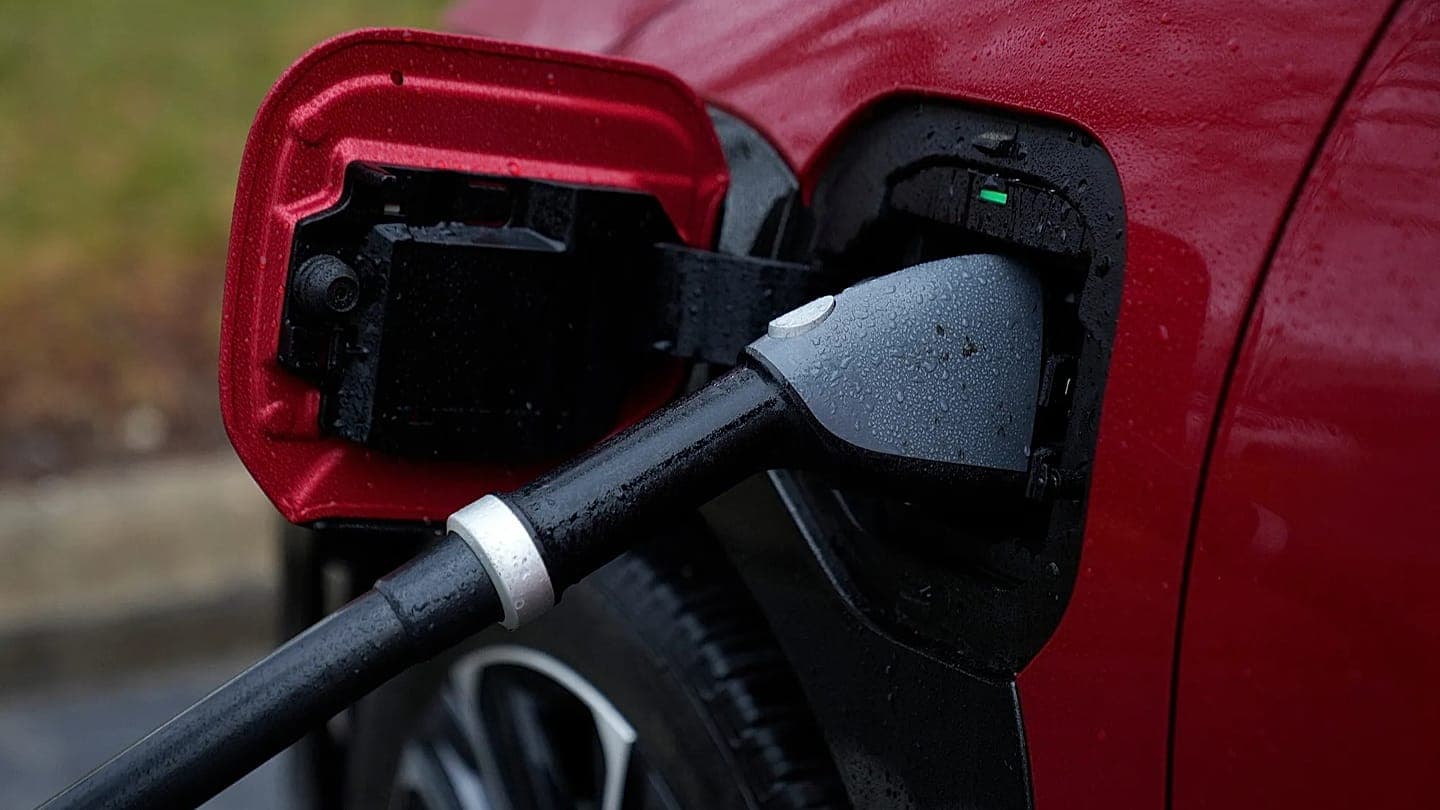
The key facts
- The CCC warned that weakening electric vehicle targets threatens the UK's legally binding climate goals
- According to the SMMT, the share of fully electric new cars since the start of the year is 26.6%, below the 33% target for 2026
- The government said the consultation on the mandate will not change the course toward phasing out petrol and diesel cars by 2030
Warning from the Advisory Body
The United Kingdom is likely to miss its legally binding climate targets if the government weakens electric vehicle requirements — this is the conclusion of the independent Climate Change Committee (CCC), set out in a letter to Transport Secretary Heidi Alexander. The committee argues that weakening the targets would entail 'economic costs and costs to energy security' and make households 'more vulnerable to volatile fossil fuel prices.' According to the CCC's estimate, switching to an electric car saves a typical household about £800 a year, and if requirements are softened, fewer people will benefit from this advantage.
Current Rules and the Industry's Position
The current Zero Emission Vehicle mandate (ZEV mandate) requires that by 2030, 80% of new cars sold in the UK be zero-emission, and by 2035 — all new cars. Companies that fail to meet the quota risk a fine of £12,000 per car, although exemptions are provided. Industry associations have long complained about excessive burden and demand a 'sustainable transition.' According to the latest data from the car manufacturers' association SMMT, since the start of the year 26.6% of new car registrations were fully electric — below the 33% target for 2026. However, according to analysis by the research organization New AutoMotive, the industry as a whole, taking flexibilities into account, is likely to meet this year's mandate. SMMT chief Mike Hawes accused the CCC of ignoring the costs of the targets it defends: 'The industry cannot subsidize the transition indefinitely, which is why it is united in its desire for change.'
The Carbon Budget and the Government's Position
The CCC emphasizes that the ZEV mandate 'delivers the largest share of emissions reductions to 2037' in the country's net zero plan, and that the targets for 2033–2037 will be missed 'without alternative measures of the same scale.' Road transport — cars, vans and trucks — remains the most carbon-intensive sector of the economy and one of the slowest to decarbonize. Former committee chairman Lord Deben called abandoning the CCC's recommendations 'unwise' because it 'will cost people money.' The government responded by affirming its commitment to phasing out new petrol and diesel cars by 2030 and zero emissions for new cars and vans by 2035, adding that the consultation on the mandate will not change this and will ensure a 'pragmatic and balanced approach.' The CCC's warning came amid weeks of rumors about impending changes to electric vehicle targets; government sources insist that no decision has yet been made.
 Image source, Bloomberg via Getty Images
Current rules say all new cars must be zero emission by 2035