The key facts
- Ahmed Haroun, chairman of the former ruling NCP, has been detained by Sudan's armed forces; he had been in hiding since escaping Kobar prison during the civil war.
- The ICC charges him with more than 40 counts of war crimes and crimes against humanity in Darfur in the early 2000s.
- In an interview, Haroun said the NCP and the army are united in the war against the Rapid Support Forces; the motives for detaining the army's ally remain unclear.
Detention after years on the run
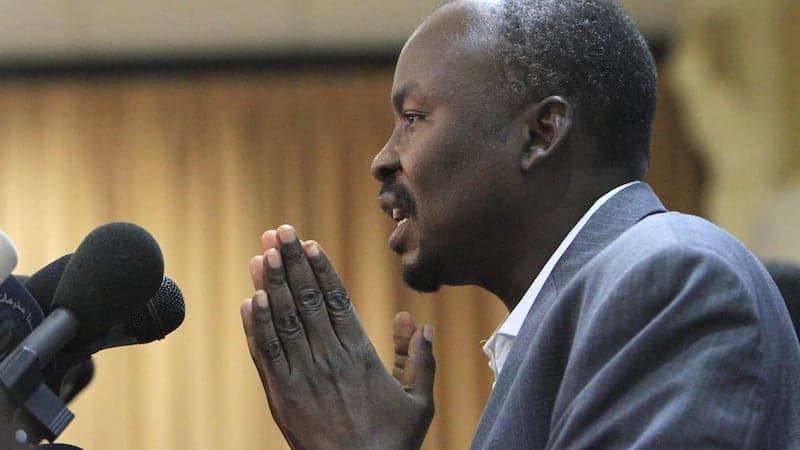
Sudan's armed forces have detained Ahmed Haroun, chairman of the former ruling National Congress Party and one of the senior officials of the Omar al-Bashir era, who had been in hiding for several years. The detention was confirmed by two NCP officials; the reasons why the army moved against an ally remain unclear, while Sudan's armed forces and the ICC have not yet commented on the incident. The National reported this.
ICC charges and US reward
Haroun is wanted by the International Criminal Court on more than 40 counts of war crimes and crimes against humanity — including murder, rape, torture, attacks on civilians and destruction of property — allegedly committed in Darfur in the early 2000s, when he served as interior minister and later as minister for humanitarian affairs. He himself calls the charges political. In January 2024, the United States offered a $5 million reward for information leading to his detention; the US State Department describes Haroun as someone who recruited, financed and armed the Janjaweed militia, which took part in atrocities in Darfur.
Alliance with the army and the war context
Haroun was among dozens of Sudanese officials arrested in 2019 after the uprising and military coup that ended al-Bashir's rule, but he escaped from Kobar prison amid the chaos of the civil war and publicly backed the army. In a televised interview on Saturday, he said that the NCP and the army may not align politically, but are united in the civil war against the paramilitary Rapid Support Forces (RSF). According to him, operatives of the Islamist movement helped the army's offensive against the RSF over more than three years of war, which, according to the UN, has led to waves of ethnic killings, famine and mass displacement, and has become the world's largest humanitarian crisis. The sources do not explain why the army detained a figure who had publicly supported it in the war — this remains the main open question surrounding the detention.