The key facts
- Political scientist Yuri Svetov suggests a prolonged political crisis in Israel is possible and does not rule out new elections
- Netanyahu's bloc won 53 seats in the Knesset in the October 27 elections, with 61 needed for a majority
- In the expert's view, Netanyahu's possible resignation will change nothing in Moscow–Jerusalem relations
An expert's opinion on the consequences of a change of prime minister
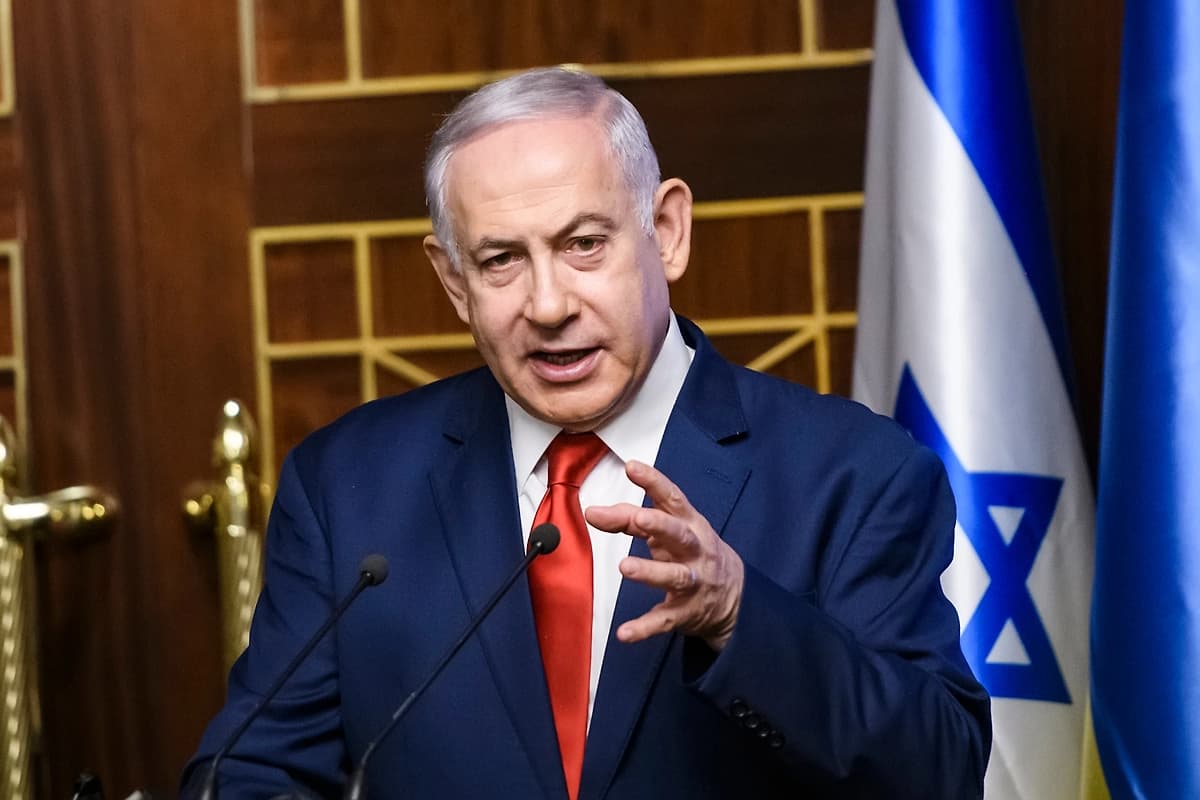
The possible resignation of Israeli Prime Minister Benjamin Netanyahu will not lead to serious changes in relations with Russia. This opinion was expressed by political scientist Yuri Svetov in a conversation with NEWS.ru; Gazeta.Ru briefly reported the same, noting that the story is being updated. According to Svetov, Moscow will be able to maintain dialogue with the Israeli leadership regardless of who heads the government. «For Russia, [Netanyahu's possible departure] will mean nothing. He has allies — the United States. One can talk with him, but there will be another [prime minister], nothing will change,» the expert believes.
Political uncertainty after the election
At the same time, Svetov does not rule out a prolonged political crisis in Israel. Following the parliamentary elections on October 27, Netanyahu's bloc won 53 seats in the Knesset, whereas at least 61 mandates are needed to form a stable majority. According to the political scientist, the opposition may try to create a minority government; if no agreement can be reached, Netanyahu himself may later get the right to form a cabinet. In the coming months, he believes, the country faces a period of political uncertainty, and if coalition talks fail, new elections are not ruled out.
Context of Moscow–Jerusalem relations
Relations between Moscow and the current Israeli prime minister have previously been accompanied by public disagreements. As Life.ru reported, in October the Russian Foreign Ministry criticized Netanyahu for accusations of alleged Russian interference in Israel's information space. Russian diplomats rejected the claims and recalled the proposal to establish bilateral cooperation in cybersecurity. It should be noted that the material relies on the assessment of a single expert: sources do not report any real decisions by Israeli politicians or changes in bilateral relations.