The key facts
- On November 8, President Herzog granted Eisenkot the mandate to form a government: 67 recommendations versus 46 for Netanyahu
- The deadline is 28 days with a possible 14-day extension; a coalition requires at least 61 of 120 lawmakers
- Eisenkot will likely have to break campaign promises due to a possible reliance on Arab or ultra-Orthodox parties
The mandate went to an opposition figure, not the sitting prime minister
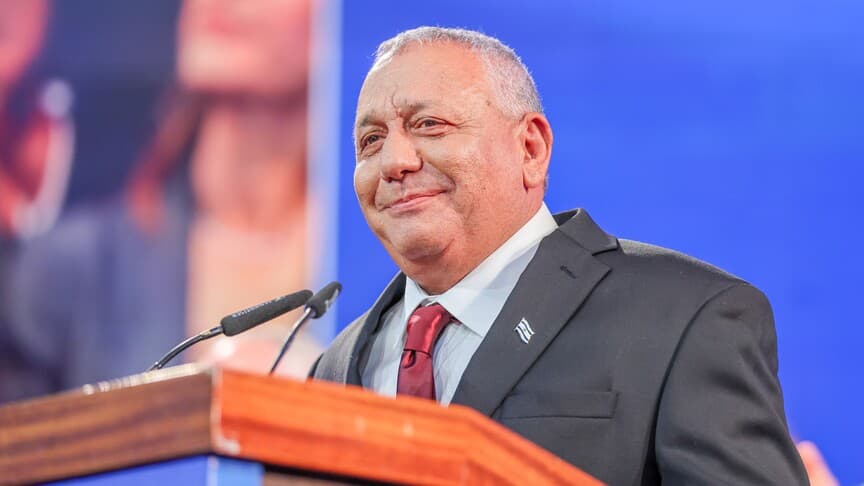
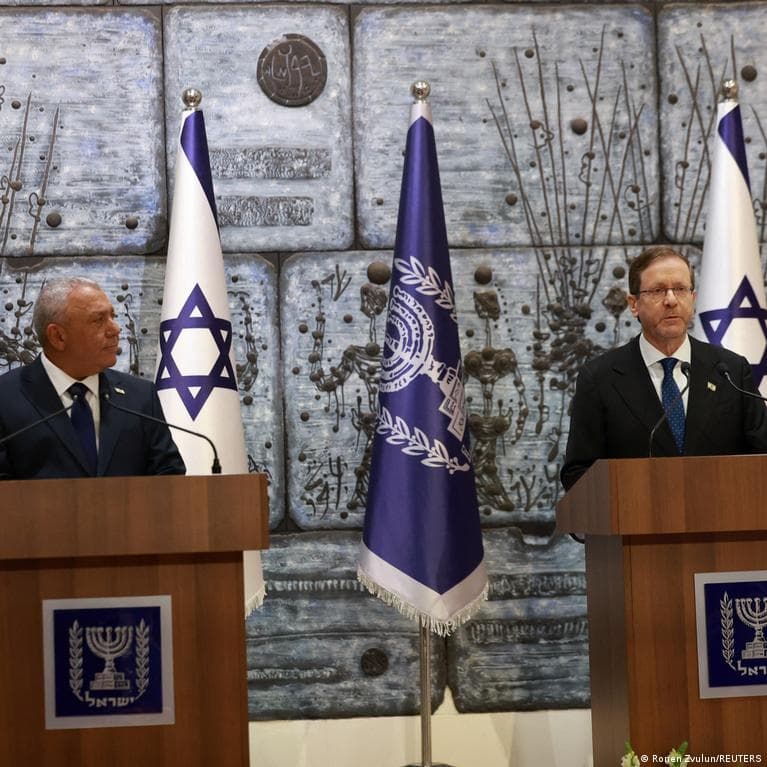
On November 8, Israeli President Isaac Herzog, at a ceremony at the presidential residence in Jerusalem, officially tasked Gadi Eisenkot, leader of the centrist Yashar party, with forming a new government. According to Deutsche Welle, Eisenkot received 28 days to build a coalition that must replace the current religious-nationalist cabinet of Benjamin Netanyahu; the president may extend the deadline by another 14 days. The decision followed the October 27 parliamentary elections, after which no bloc won a majority in the 120-seat Knesset.
Why the mandate went to Eisenkot
Formally, the Yashar party came only second in the October elections — 21 seats against 27 for Netanyahu's Likud. However, during consultations with the president, Eisenkot's candidacy was backed by factions holding a combined 67 seats, versus 46 for Netanyahu; seven more lawmakers endorsed no one. The ultra-Orthodox Torah and Shabbat party (UTJ), despite having been part of Netanyahu's governments for the past 17 years, declined to give a recommendation. Herzog stressed that Eisenkot had received the 'clearest support' of a majority of Knesset members. According to Anadolu, the decision was announced on Saturday after consultations with the parliamentary factions.
The main difficulties in forming a coalition
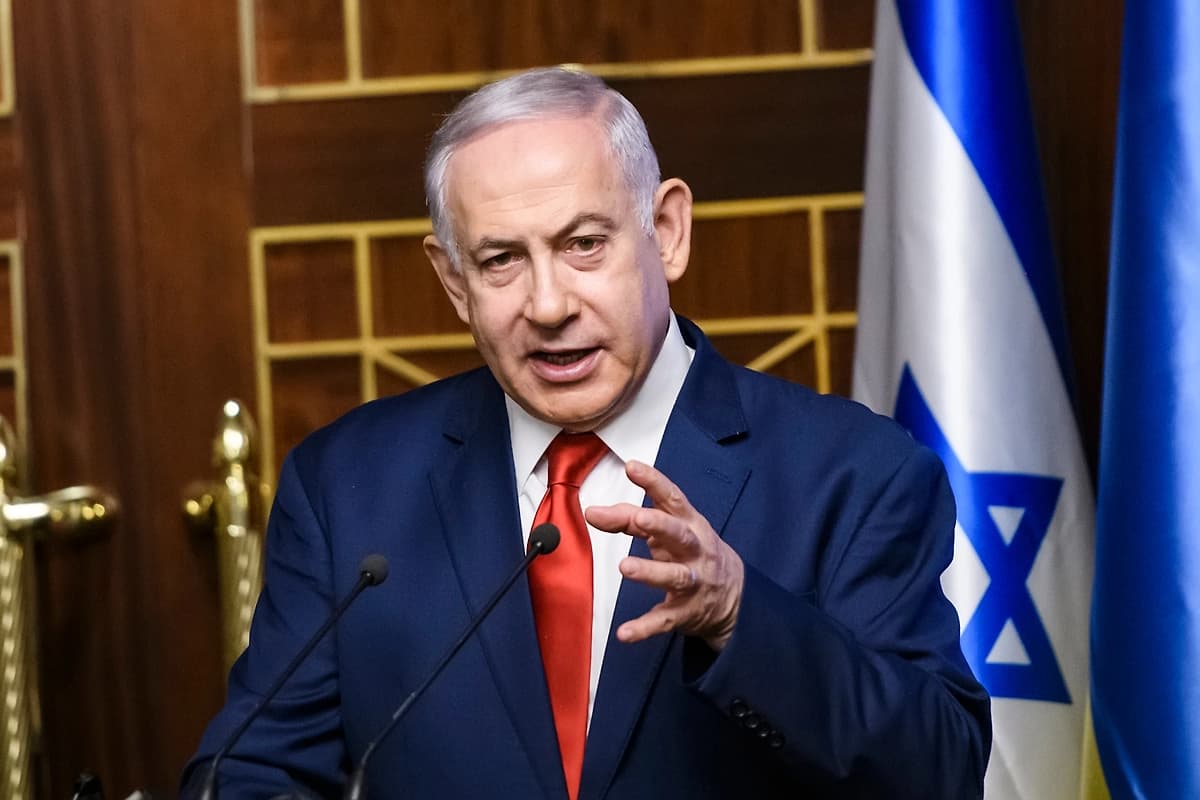
A government requires at least 61 of 120 lawmakers, and recommendations to the president do not yet guarantee that the parties will join a single coalition. Netanyahu's bloc holds 53 seats, while Eisenkot's anti-Netanyahu bloc has 48. Both sides of the Zionist political spectrum pledged not to rely on the votes of Arab parties, so Eisenkot will have to break one of his campaign promises. Two Arab parties that won a historic 19 seats have declared their readiness to support the opposition: Mansour Abbas's Raam party is open to joining the coalition — in 2021 it already became the first Arab party in an Israeli government. A survey by the Akeed Center of the Hebrew University of Jerusalem, conducted two days after the election, showed that 59% of Zionist opposition voters would prefer a government including Raam over any other alternative. The alternative — bringing in the ultra-Orthodox UTJ and Shas parties (7 seats each) — would require abandoning another promise: the law on drafting ultra-Orthodox youth into the army, which they oppose.
What happens if no coalition is formed
If Eisenkot fails, the president can hand the mandate to another lawmaker — Netanyahu is expected to be next in line. If he too fails and no one else demonstrates sufficient support, Israel will likely face another round of elections. Until a new cabinet is approved, the current government continues to serve in a caretaker capacity. Eisenkot himself declared his commitment to forming a 'national emergency government' and said that 'we do not have the privilege of endless rounds of elections,' promising to send official appeals to all Knesset members. Earlier, during the October 27 vote, Netanyahu accused the opposition of trying to 'steal the election'; Eisenkot's party rejected the accusations, calling them an attempt to cast doubt on the results.