The key facts
- The ANC received just over 30% of the vote in the 2026 local elections, its worst result in the party's history.
- The ruling party lost its majority in six of the eight major cities, ceding control of municipalities to the opposition.
- The elections took place amid criticism over electricity and water outages, as well as high unemployment and corruption.
Historic defeat for the ruling party
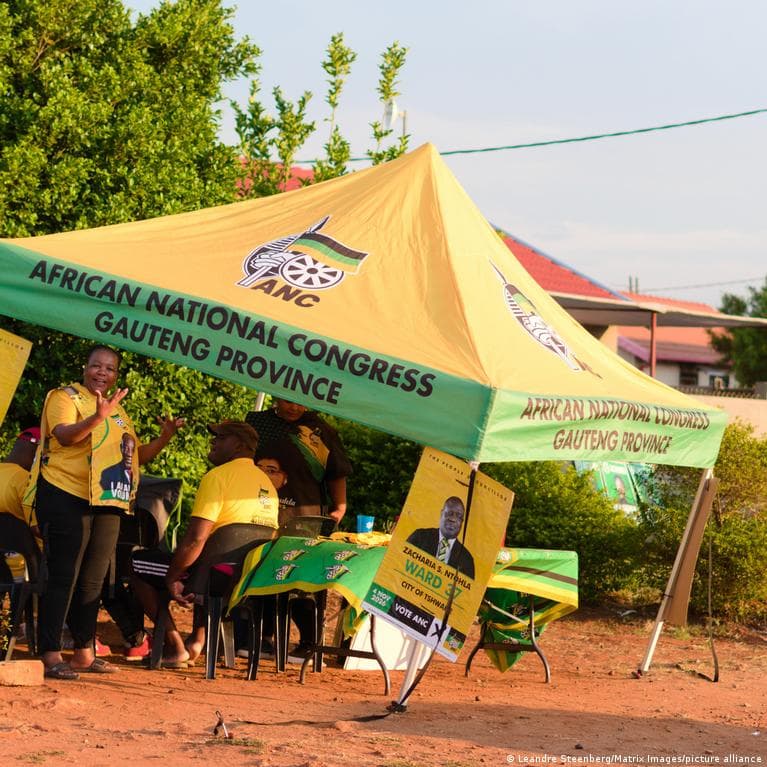
South Africa's African National Congress (ANC) suffered the worst result in its history in the 2026 local elections. According to the electoral commission, with 98% of votes counted, the party received just over 30% support, losing its absolute majority in six of the eight large metropolitan regions. This event marks a further decline in the ANC's popularity: until 2024 it had consistently held a parliamentary majority, and in 2021, in the previous municipal elections, it still won 46% of the vote.
Causes of the crisis and the leadership's response
The main factors that angered voters were chronic water and electricity supply disruptions, high levels of unemployment, crime and corruption. ANC Secretary-General Fikile Mbalula described the election results ascatastrophicfor the movement, noting that the party can no longer rely on citizens' trust solely because of its historic role in the fight against apartheid. President Cyril Ramaphosa, who leads the ANC, has not yet made an official statement on the results, but earlier in the week he acknowledged that failures in municipal governance had undermined confidence in democratic governance.
Shift in the balance of power and coalition talks
The second-largest result went to the Democratic Alliance, which won 24% of the vote and retained control of Cape Town, where it secured an absolute majority. DA leader Geordin Hill-Lewis announced the start of negotiations with other parties to form coalitions that, as expected, will exclude the ANC in such key cities as Pretoria and Johannesburg. Political analysts point out that the current result will serve as an indicator of voter sentiment ahead of the 2029 general elections, and that the complexity of forming local governments will require lengthy negotiations among multiple participants.