The key facts
- The US is considering security agreements with Russia concerning Europe; NATO allies learned of the plans after the fact — Politico, 12 diplomats and officials
- Jared Kushner named five areas of the agreement, but the practical mechanisms have not been explained
- Talks between the US, Russia and Ukraine are scheduled for November 10–11 in Abu Dhabi; Europeans will discuss the initiative in Dublin
European capitals learned of Washington's plans after the fact
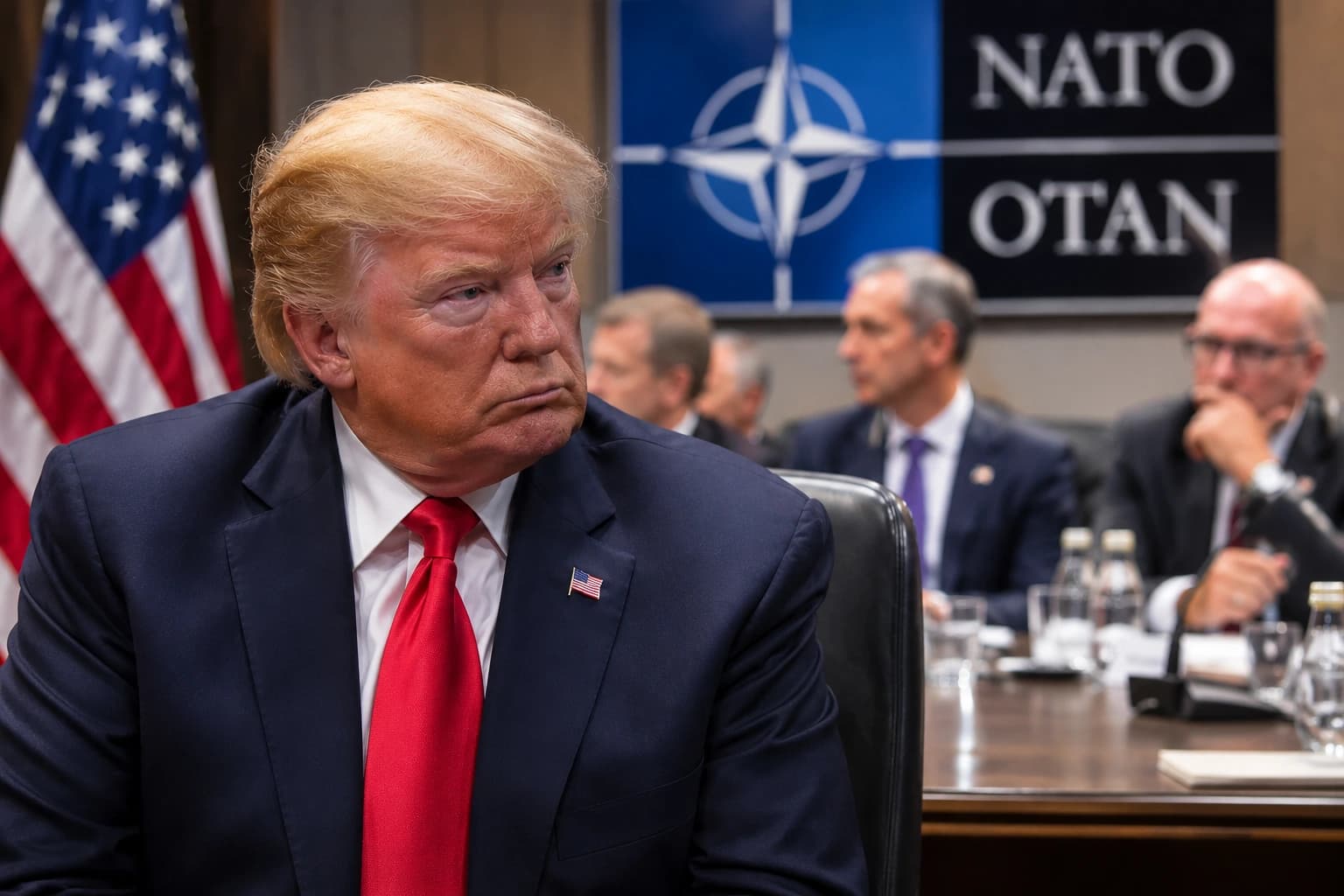
Washington is considering the possibility of agreements with Moscow on a future security system in Europe, yet even the United States' closest NATO allies were not briefed on these plans in advance. Politico reports this, citing 12 diplomats and European officials: in European capitals there are fears that the fate of the continent will be decided behind the backs of its states.
What is known about the content of the initiative
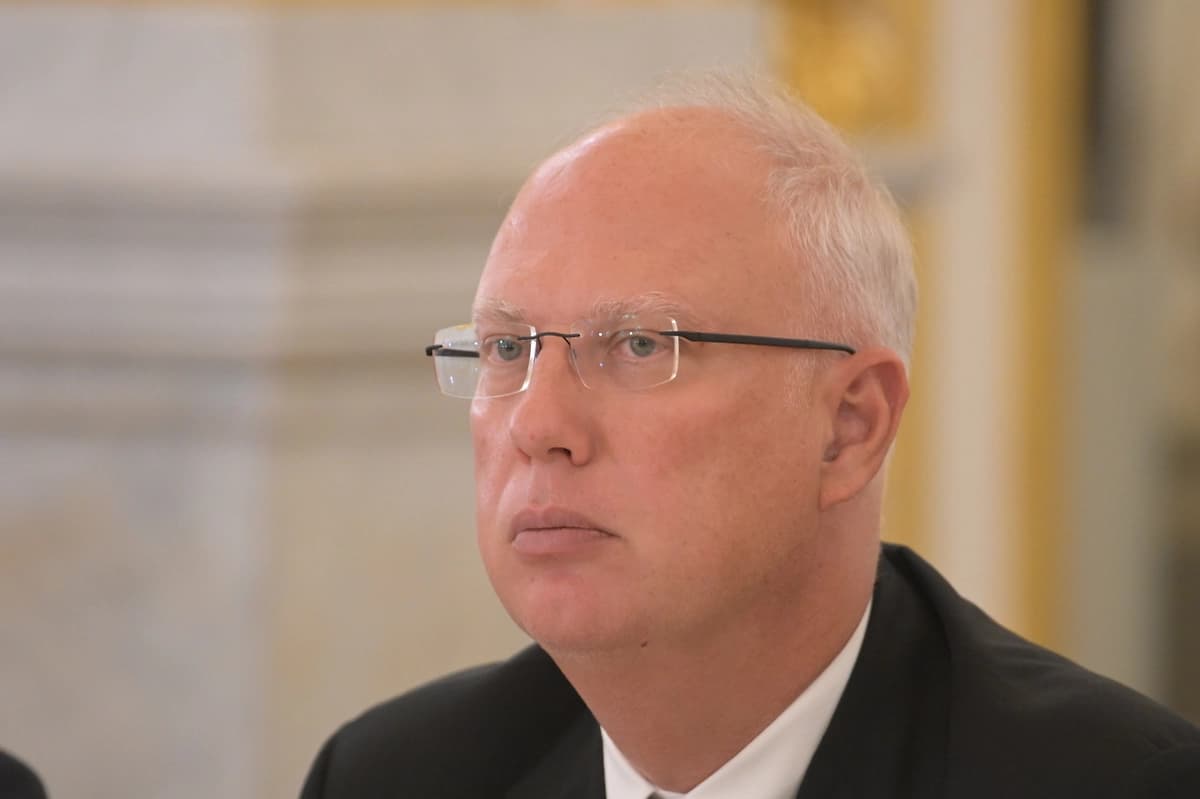
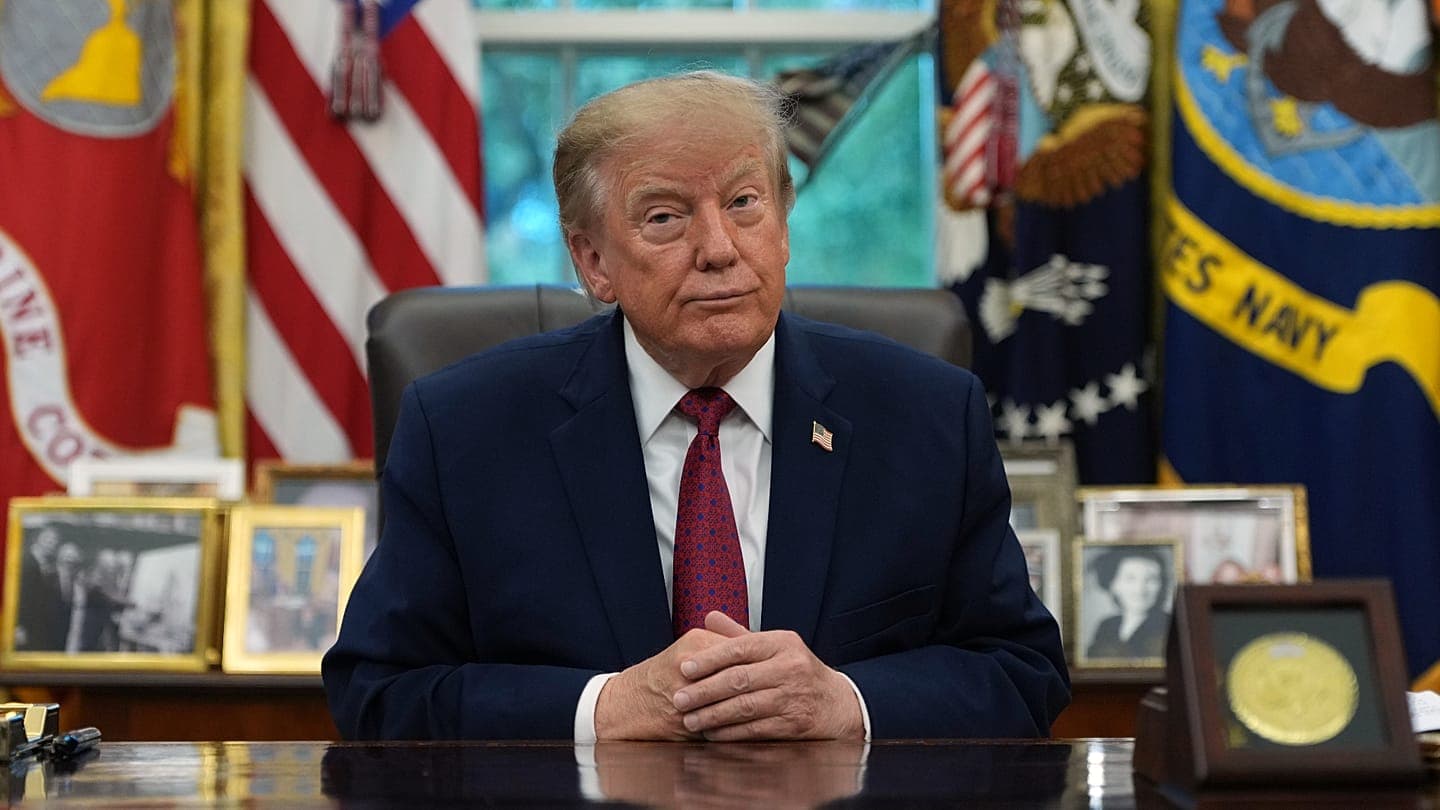
The cause for concern was statements by Donald Trump after a meeting with the Russian president's envoy Kirill Dmitriev: the American leader made it clear that the agreement being prepared would not be limited to settling the conflict in Ukraine and could cover all of Europe. The specific content of the initiative, however, remains unclear. Jared Kushner outlined five areas of the proposed agreement — regular security consultations, crisis-prevention communication channels, military transparency, mutual measures to reduce the risk of escalation, and long-term stability mechanisms — but European representatives, according to Politico, have not yet received explanations of how these provisions are supposed to work in practice.
Brussels' reaction and next steps
For European capitals, the problem is not only the vagueness of the proposal: they are worried by the very possibility of discussing the continent's future with Russia while the conflict continues. One NATO diplomat said that Moscow could use such a dialogue to legitimize its own demands. Ursula von der Leyen's adviser Björn Seibert informed the EU member states' ambassadors about the situation after consultations among national security advisers. According to the outlet, European representatives do not intend to block diplomatic contacts, but they doubt Washington's readiness to take into account the risks for Ukraine and the other states of the region.
Context: the talks in Abu Dhabi and Moscow's position
The issue becomes especially relevant against the backdrop of preparations for another round of talks on Ukraine: meetings between representatives of the United States, Russia and Ukraine are scheduled for November 10–11 in Abu Dhabi, while European leaders intend to return to discussing the American initiative at an informal meeting in Dublin. Russian presidential press secretary Dmitry Peskov stated that Kirill Dmitriev has not yet reported to Vladimir Putin on the results of the talks with Trump. In addition, US First Lady Melania Trump handed over personal letters for Putin and Volodymyr Zelensky to representatives of Russia and Ukraine.
What remains unclear
Neither the actual substance of the five areas outlined by Kushner nor the format of European states' participation in future agreements is yet known. The information presented is based on Life.ru's retelling of the Politico article; the original Politico material itself is not reproduced in full in this compilation, and the parties' positions following the talks in Abu Dhabi had not been disclosed at the time of publication.