The key facts
- Trump called a possible deal with Russia 'very big' and affecting all of Europe, without giving details
- Kaja Kallas: Europe already has a security architecture, and 'Putin has no veto right'
- The US is preparing new talks between Kyiv and Moscow in Abu Dhabi; Kushner promised consultations with the Europeans
Trump's statement and Brussels' reaction
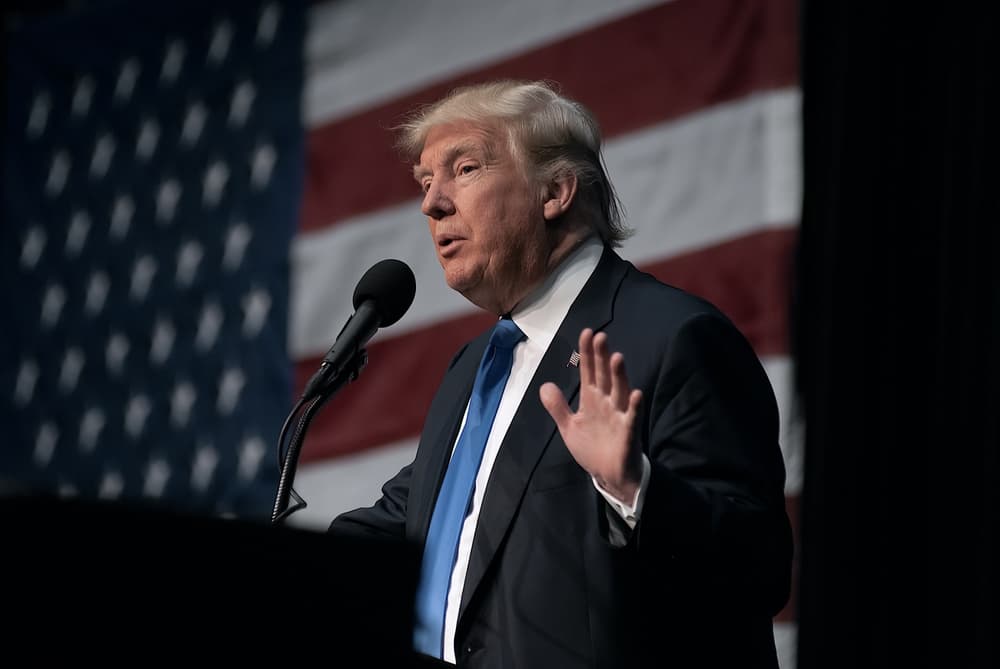
European leaders have rejected any attempts by the US and Russia to rebuild the continent's security architecture without the participation of the Europeans themselves. The trigger was Donald Trump's remarks on Thursday that Washington is close to a sweeping agreement with Moscow that would go beyond Ukraine. 'It will be very big. It will involve more than Ukraine, and I would even say it could involve all of Europe. It will be a big, beautiful deal, and everyone will be thrilled,' Trump said, without disclosing details (euronews).
European objections
The EU's High Representative for Foreign Affairs, Kaja Kallas, said in Warsaw that a European security architecture already exists, and that the problem is Russia's violation of the treaties underpinning it. According to her, NATO did not threaten Russia in 2021 and does not threaten it now, and 'Putin has no veto right over European security.' She stressed that without the European Union's participation, no agreement can be implemented. Polish Foreign Minister Radosław Sikorski said that arrangements about the future of Ukraine and Europe made 'over the heads' of Europeans are not merely unwise but in fact impossible. Ukraine's Foreign Minister Andrii Sybiha, also speaking after a meeting with Kallas in Warsaw, said that Moscow cannot be regarded as a guarantor of European security: 'We must talk about protection from Russia, not with the Russians about spheres of influence in Europe.'
What lies behind the US initiative
Trump's remarks came after his special envoy Jared Kushner announced that Washington is working on a broader European security architecture to create conditions for a durable peace. This week, American representatives spent two days in Brussels meeting officials from NATO, the European Union and leading European powers — on security guarantees for Ukraine and the future of pan-European mechanisms. Kushner, who took part via video link, wrote on X that the US seeks practical arrangements that take into account the concerns of all parties. As euronews notes, the wording revived long-standing European fears about Moscow's attempts to revise the order that emerged after the Cold War: before the full-scale invasion in February 2022, Russia demanded, among other things, that NATO withdraw its forces from countries that joined the alliance after 1997 — the alliance rejected these demands.
Talks in Abu Dhabi as a test
Next week, resumed talks between Kyiv and Moscow are being prepared in Abu Dhabi with the participation of American representatives. Kushner assured the Europeans that they would not be excluded from the process: Washington intends to consult with them on the sidelines of the talks and, if progress is made, move to a broader multilateral format with their direct participation. European Commission spokesperson Paula Pinho said on Friday that a great deal of work still lies ahead before a peace agreement and that the European Union itself determines matters of its own security. NATO, for its part, reiterated that Ukraine's allies are working towards a 'just and lasting' end to the conflict. The parties' positions remain far apart: Ukraine is seeking reliable guarantees against renewed aggression, Moscow is seeking limits on NATO's presence in Eastern Europe, and European governments do not want a deal that rewards aggression or undermines Ukraine's sovereignty.