The key facts
- More than 30 flares on the Sun in less than two days; the rise in activity began on the evening of November 5 with an M3.6-class flare — the strongest since October 10
- Scientists of the IKI RAN consider the series of moderate flares favorable: energy is not accumulating for more powerful ejections
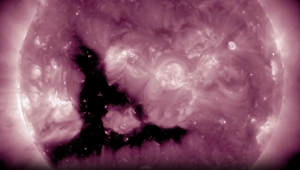
- Geomagnetic disturbances are possible due to a stream of fast solar wind from a large coronal hole
A series of flares and scientists' assessment
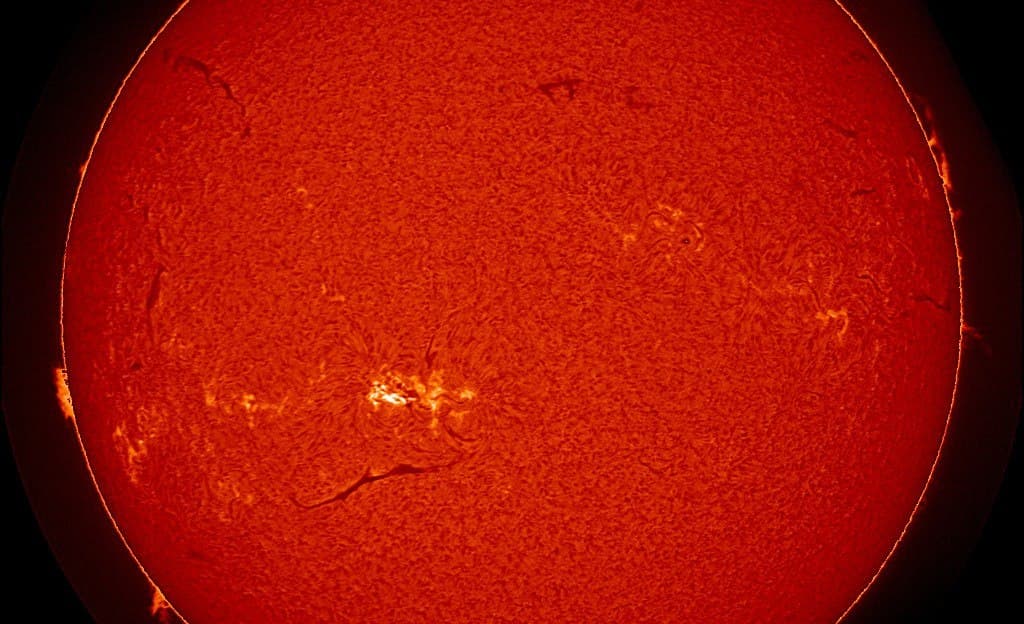
More than 30 flares occurred on the Sun in less than two days, specialists reported of the Laboratory of Solar Astronomy of the IKI RAN, noting a sharp rise in the star's activity. According to their observations, significant amounts of energy are flowing from the Sun's depths into its atmosphere, being almost continuously expended in a series of moderate-strength flares and not having time to accumulate for larger events.
Why this scenario is considered favorable
The laboratory believes that numerous moderate-intensity flares are preferable in the current situation to rare but far more powerful ejections: the latter could potentially affect space weather in Earth's vicinity more strongly. At the same time, the favorable assessment of the series does not mean a complete absence of geomagnetic disturbances — a stream of fast solar wind from a large coronal hole may affect Earth, and specialists are considering this process separately.
When the rise in activity began
The sharp rise in solar activity began on the evening of November 5, when instruments recorded an M3.6-class flare — the strongest since October 10. As early as the next day, scientists reported the formation of a new series of flares, including in a region emerging from the eastern edge of the solar disk. Earlier Life.ru reported the activity index rising to the orange level: over a day it more than doubled, reaching five points out of ten, which was linked to the formation of new active regions on the Sun.