The key facts
- Mihai Popsoi named roads, bridges and energy as signs of 'de facto' unification
- The minister did not name a timeline for political unification and acknowledged the lack of a majority of supporters in polls
- Earlier, Maia Sandu said she would vote for unification in a referendum
'It is already happening': the minister's statement
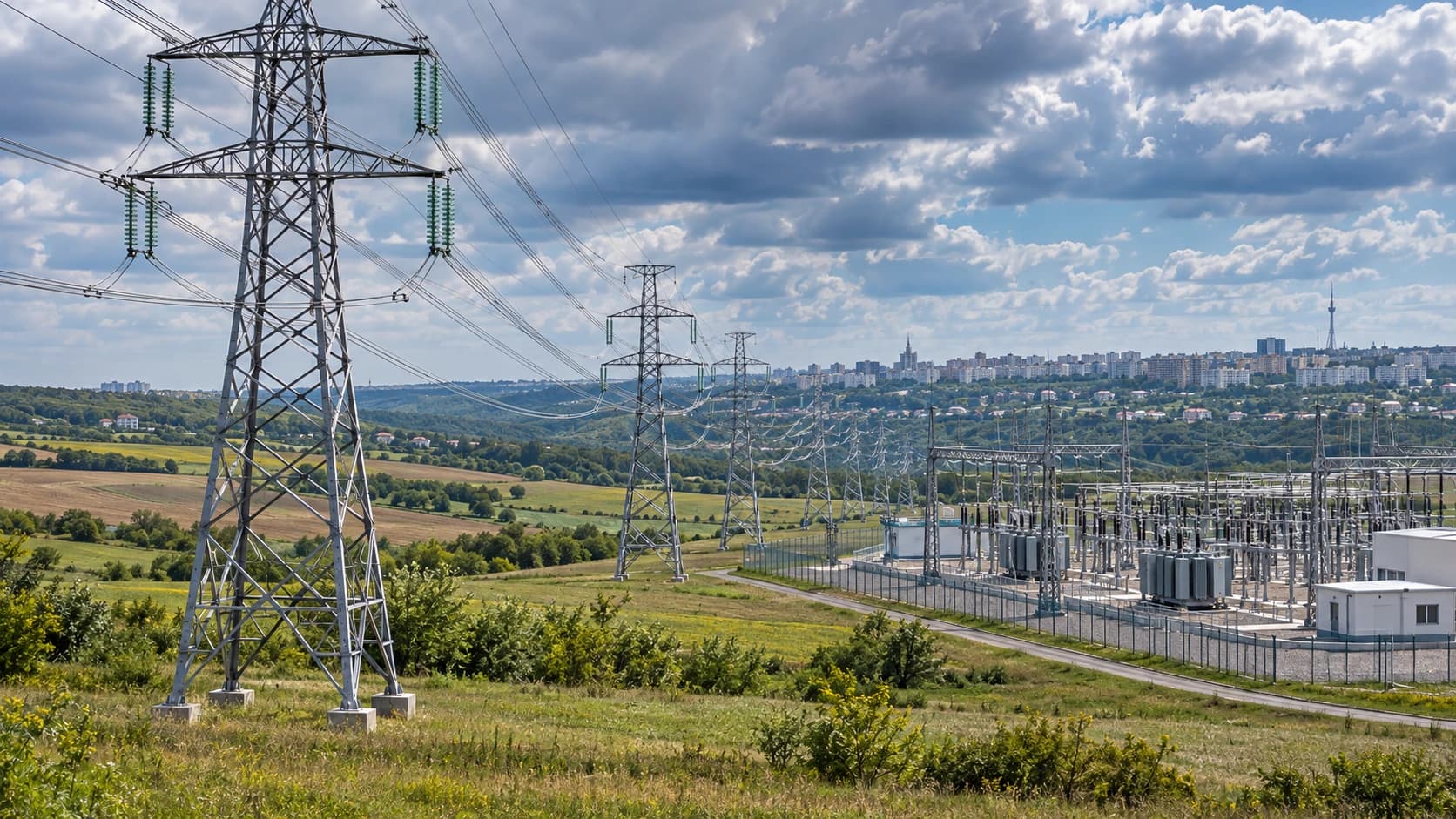
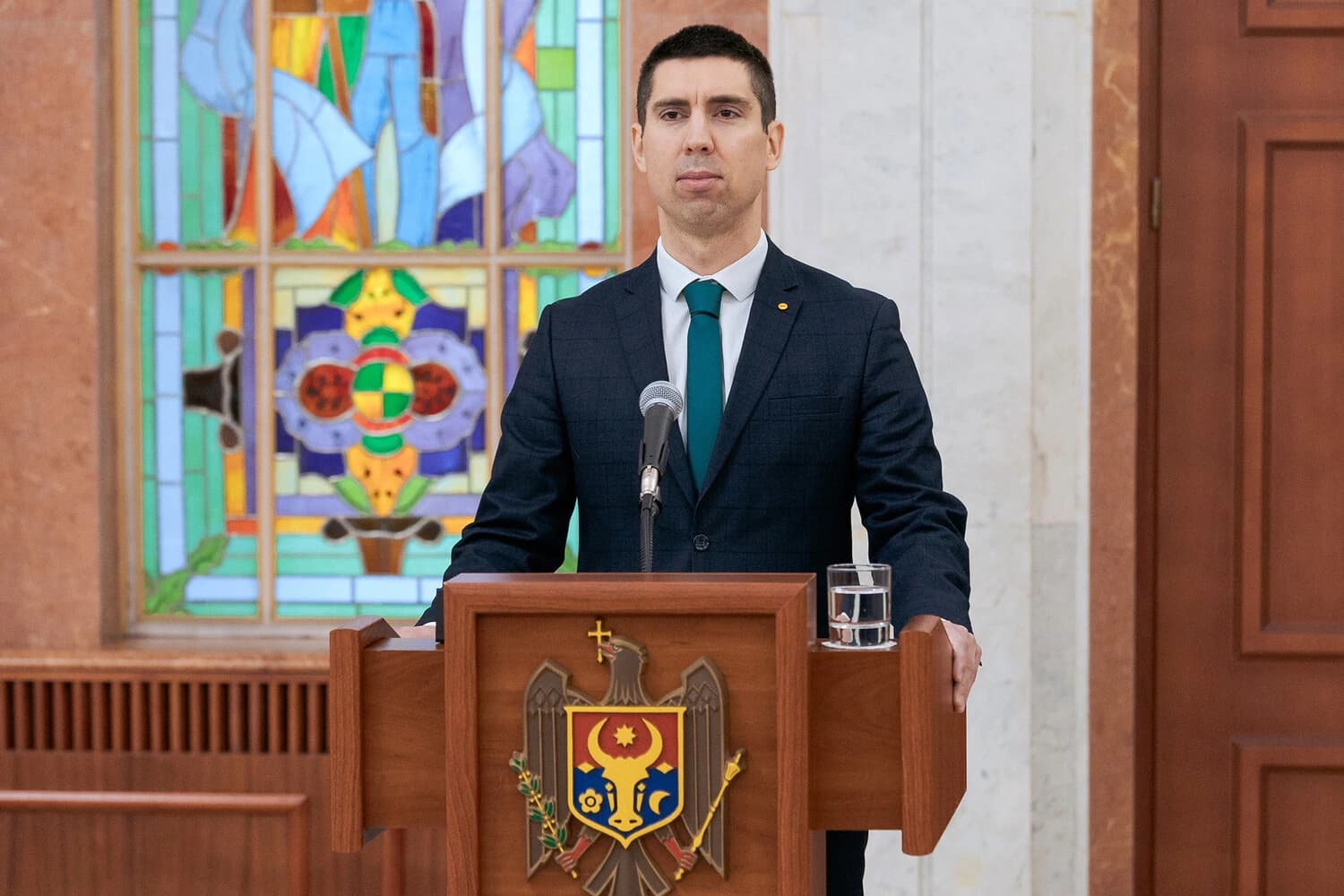
The unification of Moldova and Romania has, in fact, already begun — through shared roads, bridges and energy projects, said Deputy Prime Minister, Moldova's Foreign Minister Mihai Popsoi, on the air of the TV channel TVR Moldova. 'Know that it is already happening,' he replied to a journalist's question about the unification of the two countries. According to the minister, rapprochement should rest not on declarations and rhetoric, but on concrete projects being implemented together: he cited as an example the construction of the Ungheni (A8) motorway, which Life.ru calls the 'Motorway of Unification', bridges across the border river Prut, and energy interconnections.
Bridges over the Prut as a sign of closeness
The minister recalled that over many years not a single bridge had been built across the Prut, whereas now one is already under construction in Ungheni, and several more similar projects are in the process of implementation. In his view, the bringing together of the two banks of the river, on which Moldova and Romania lie, is the best indicator of closeness between the countries. Popsoi also noted that joint infrastructure projects allow states to draw closer faster than years of political discussions.
No timeline, and the majority is against
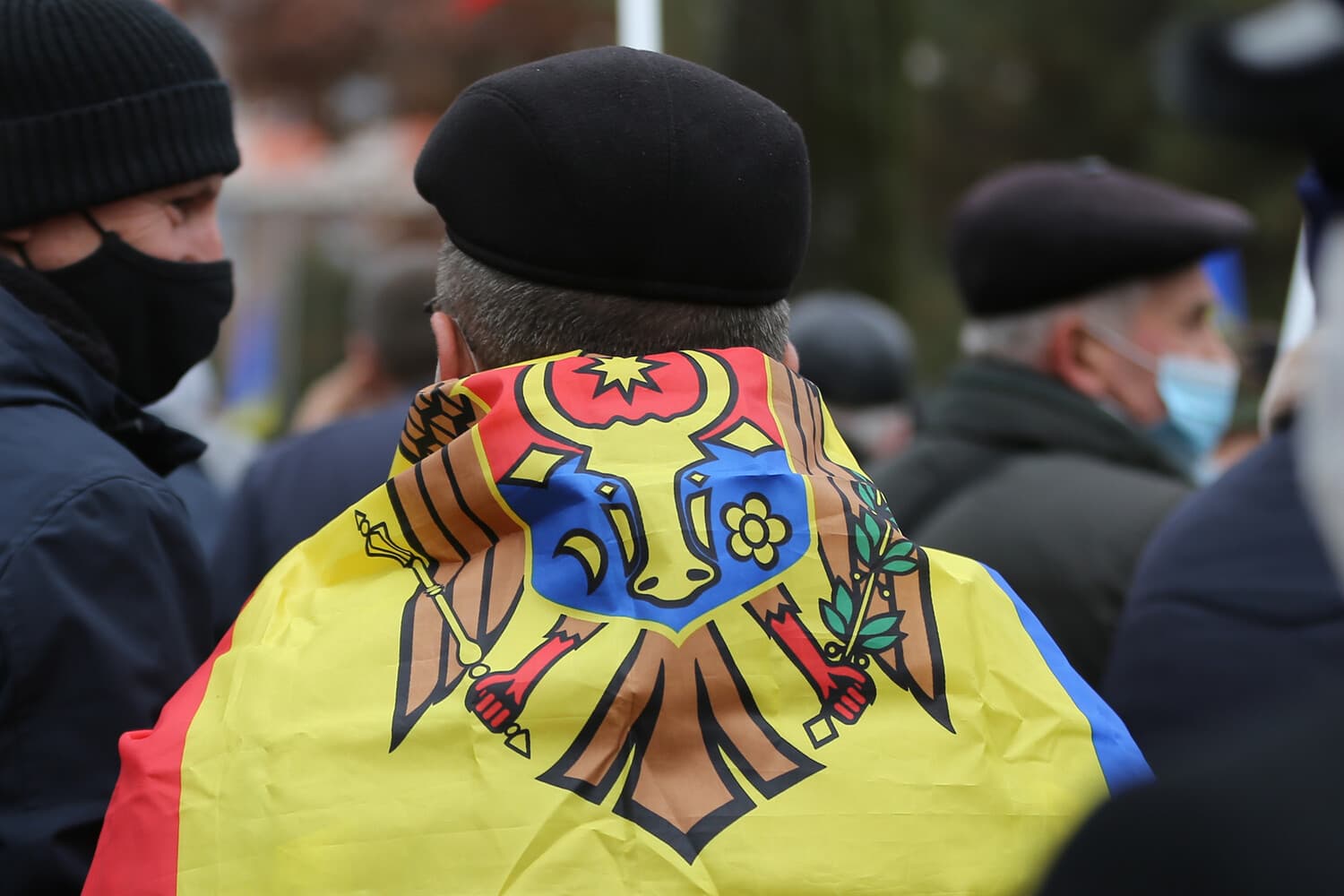
At the same time, the minister admitted that he cannot yet name a timeline for a possible political unification, and stressed that such a decision, if it is to be made, must be strictly democratic and rely on the broadest possible support from citizens of both countries. He said that interest in the idea of unification persists in Moldovan society, but polls do not yet show a majority of its supporters. In Moldova itself, the topic provokes sharp disagreements: the opposition opposes a possible loss of sovereignty, and former president Igor Dodon called support for unification a betrayal of national interests.
Context: Sandu's position and the opposition's accusations
As TVR Moldova recalled, the topic of unification returned to the agenda after the start of hostilities in Ukraine. In early 2026, President Maia Sandu stated that if a referendum on this issue were held, she would vote for the merger of the two countries, citing security risks; at the same time, she acknowledged that the majority of Moldova's population favours not unification with Romania, but the country's independent accession to the European Union. Earlier, Popsoi also openly supported the idea of unification and said that he would vote for it in a referendum, stressing that substantive discussion is possible only with broad support from the population of both countries. In the autumn, Moldova's opposition accused Sandu of treason and corruption.