The key facts
- A new round of Hungarian-Romanian talks on purchasing gas from Neptun Deep will take place in Bucharest in two weeks
- Production at the field is planned to begin in 2027; supply volumes have not been named
- Besides Romania, Hungary is considering expanding the LNG terminal in Croatia, a route through Greece, and terminals in Poland and Lithuania
Talks in Bucharest
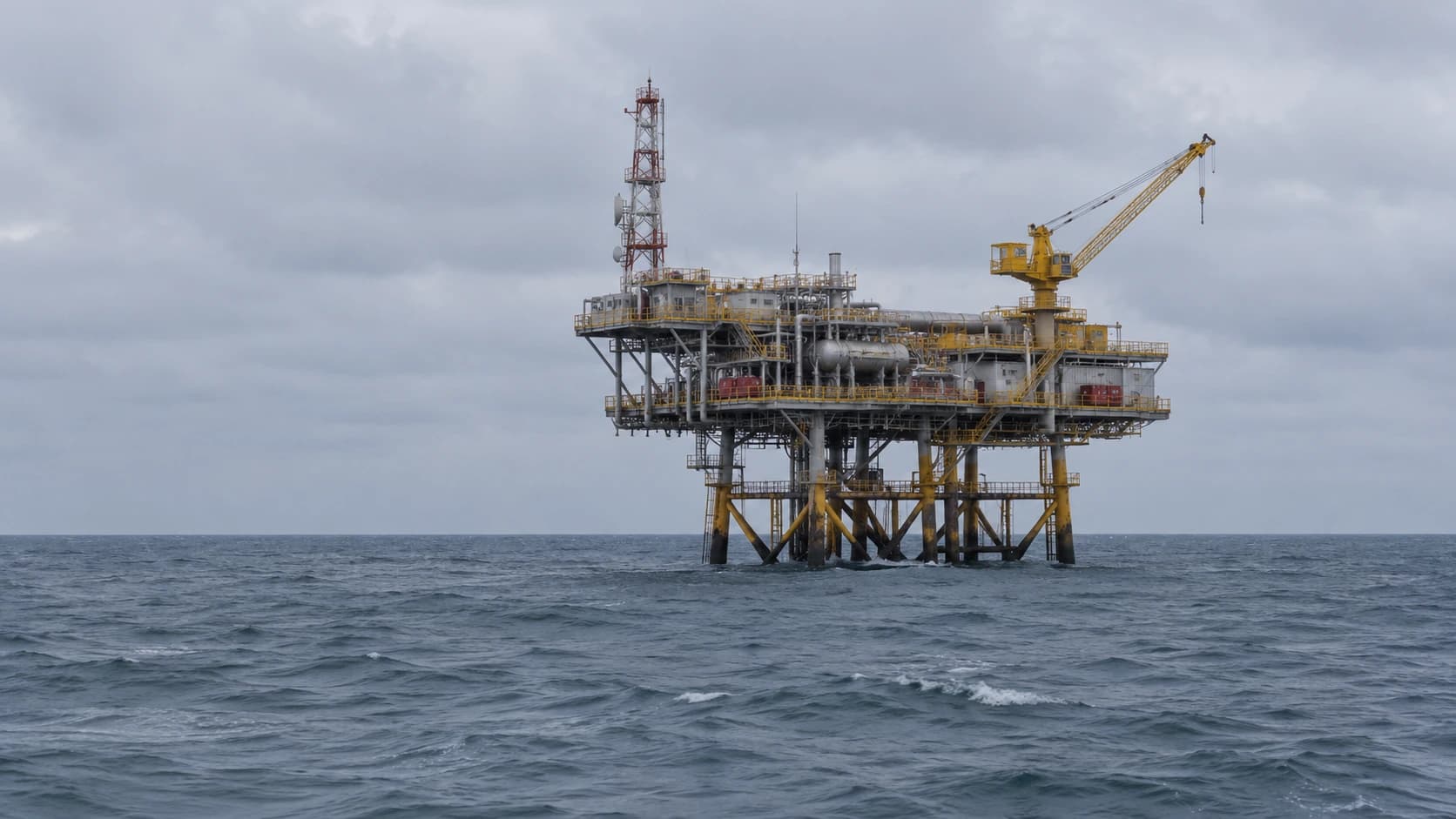
Hungary will hold a new round of talks with Romania on purchasing gas from the Black Sea Neptun Deep field, which Budapest sees as a source to replace part of Russian imports. Hungarian Minister of Economy and Energy István Kapitány announced the meeting in Bucharest in two weeks in a video cited by Világgazdaság; the news was also reported by Life.ru. According to him, the discussions cover not only fuel purchases but also its delivery to other Central European countries. Production at Neptun Deep is planned to begin in 2027; the minister did not name the possible volumes of supplies.
Timeline for abandoning Russian gas and alternative routes
Back in September, Kapitány stated that by October 2027 Hungary would be able to supply itself with gas from other sources if preparations go according to plan. In early November, Hungarian Foreign Minister Anikó Orbán confirmed that Budapest intends to meet the European Union's deadline for abandoning Russian gas. In addition to the Romanian direction, Budapest is considering the expansion of the LNG terminal in Croatia and the pipeline connected to it; among other options, Orbán mentioned a route through Greece to receive liquefied and Azerbaijani gas, as well as terminals in Poland and Lithuania.
What remains uncertain
The specific volumes of purchases from Neptun Deep and the delivery terms have not been disclosed — these, apparently, are what the talks in Bucharest will address. The announced start of production (2027) coincides in timing with Budapest's stated target of fully abandoning Russian gas by October 2027; however, the sources do not report what share of Hungary's imports it expects to replace with Romanian supplies.