The key facts
- Prime Minister Vasile Tofan refused to consider unification with Romania a fallback option, calling it part of the course toward EU accession
- Tofan acknowledged that society is not yet ready to support a change in the state's status
- Earlier, Moldova's Foreign Ministry stated that the unification process had in fact already begun, and Romania's parliament has already passed the relevant bill in its lower house
The Prime Minister's statement at the summit in Bucharest
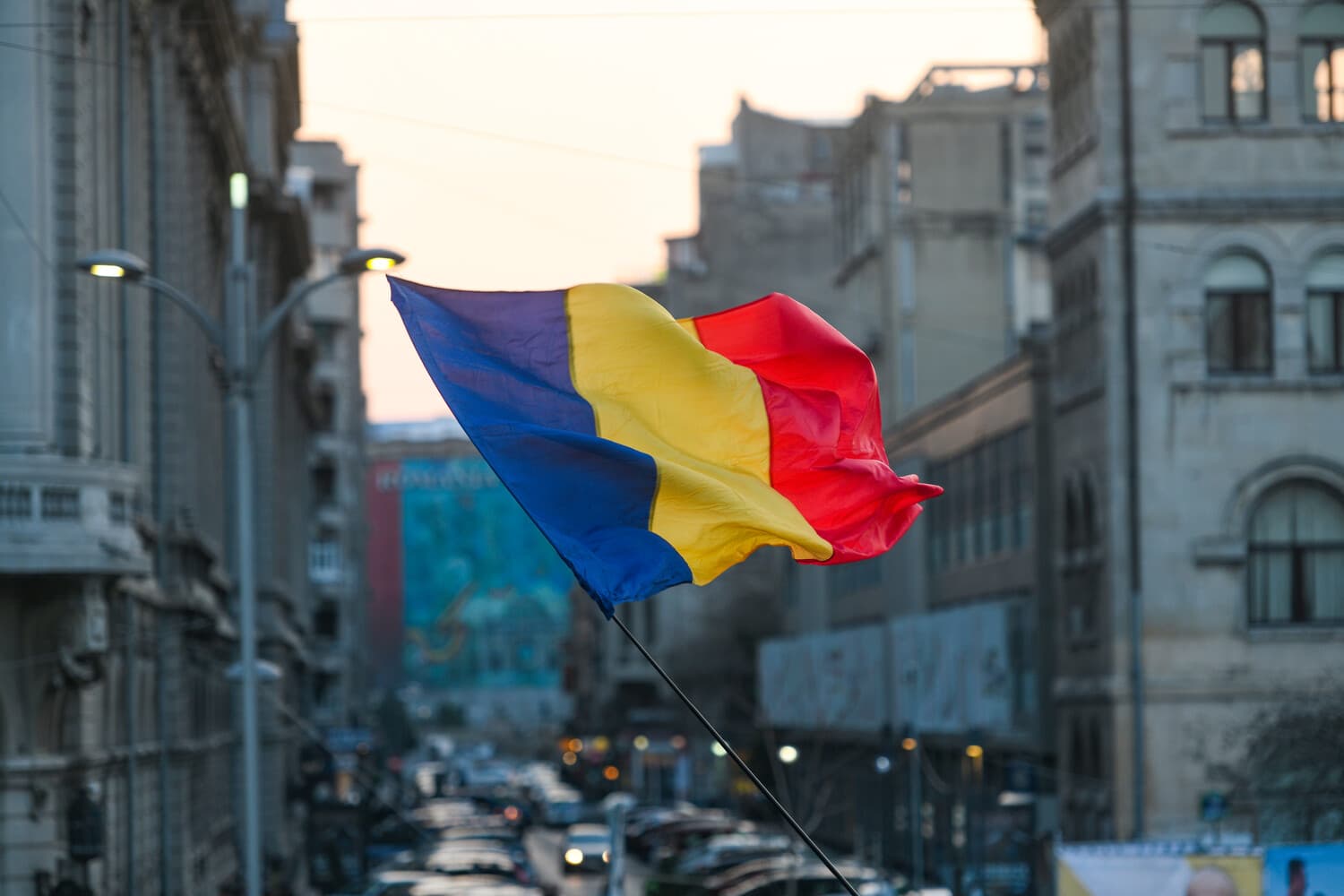
Prime Minister of Moldova Vasile Tofan allowed for the possibility of the country's unification with Romania, stating this at the Euronews Enlargement Summit 2026. His words were reported by the Moldovan portal Deschide, and on the same day — November 8 — they were also reported by Gazeta.Ru and Life.ru. «Sometimes people say that unification with Romania is our plan B. But I believe that such fundamental decisions about the future of our statehood cannot be reduced to the level of a backup plan,» Life.ru quotes the Prime Minister as saying.
«Plan A» — the European Union, but without majority support
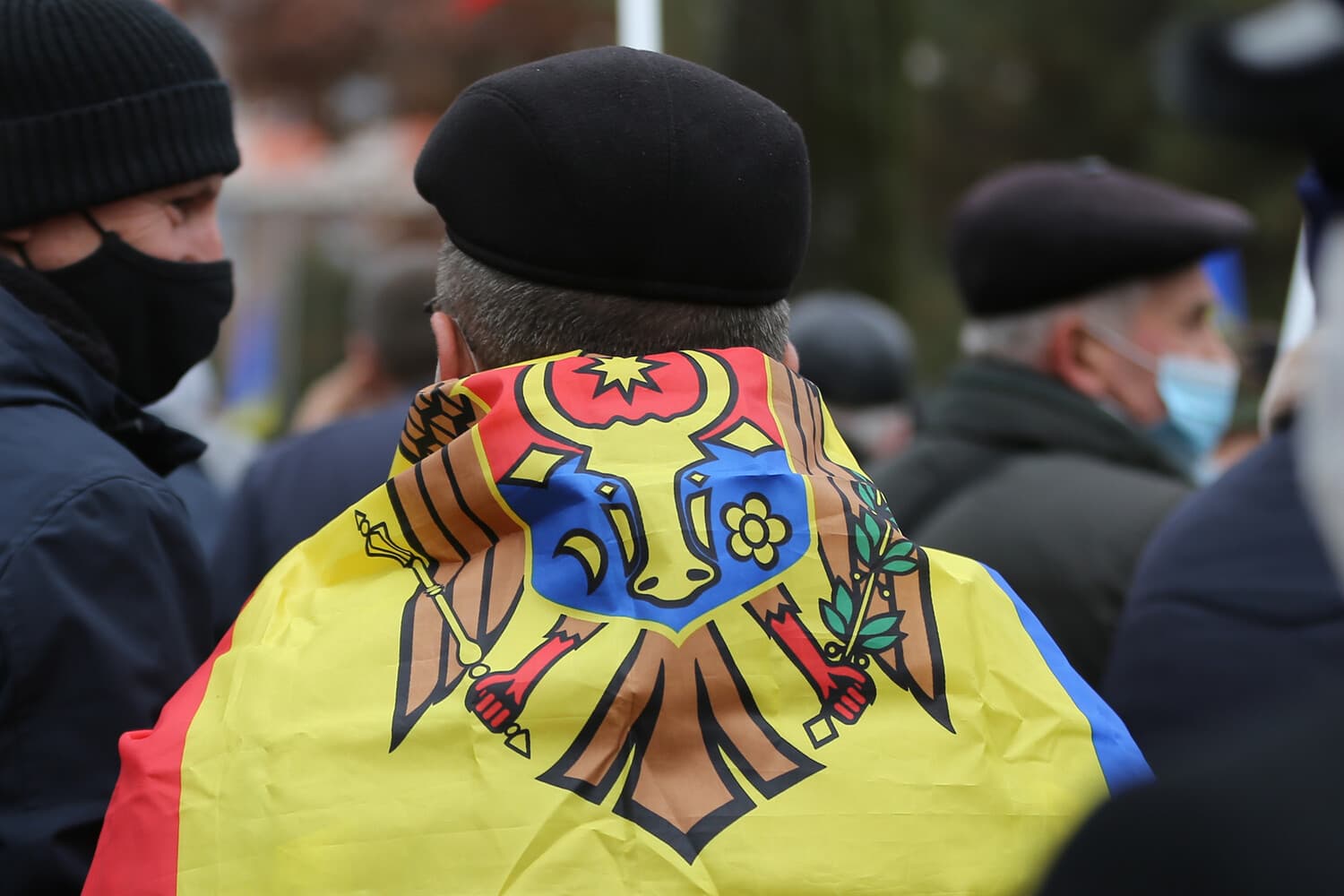
Tofan laid out the sequence: «Our plan A is to join the European Union and there unite with Romania, becoming part of a united Europe.» He named accession to the EU as Chișinău's main foreign policy priority, believing that membership would allow the closest possible rapprochement with Bucharest within a single economic and political space. At the same time, the Prime Minister acknowledged that Moldovan society is not yet ready to support such a decision: in his words, a change in the state's status must rest on the will of the majority of citizens. The same approach, he added, applies to possible NATO membership. Tofan described relations with Romania as fraternal, calling it Moldova's main friend.
Context: statements by the Foreign Ministry, the President, and the opposition's position
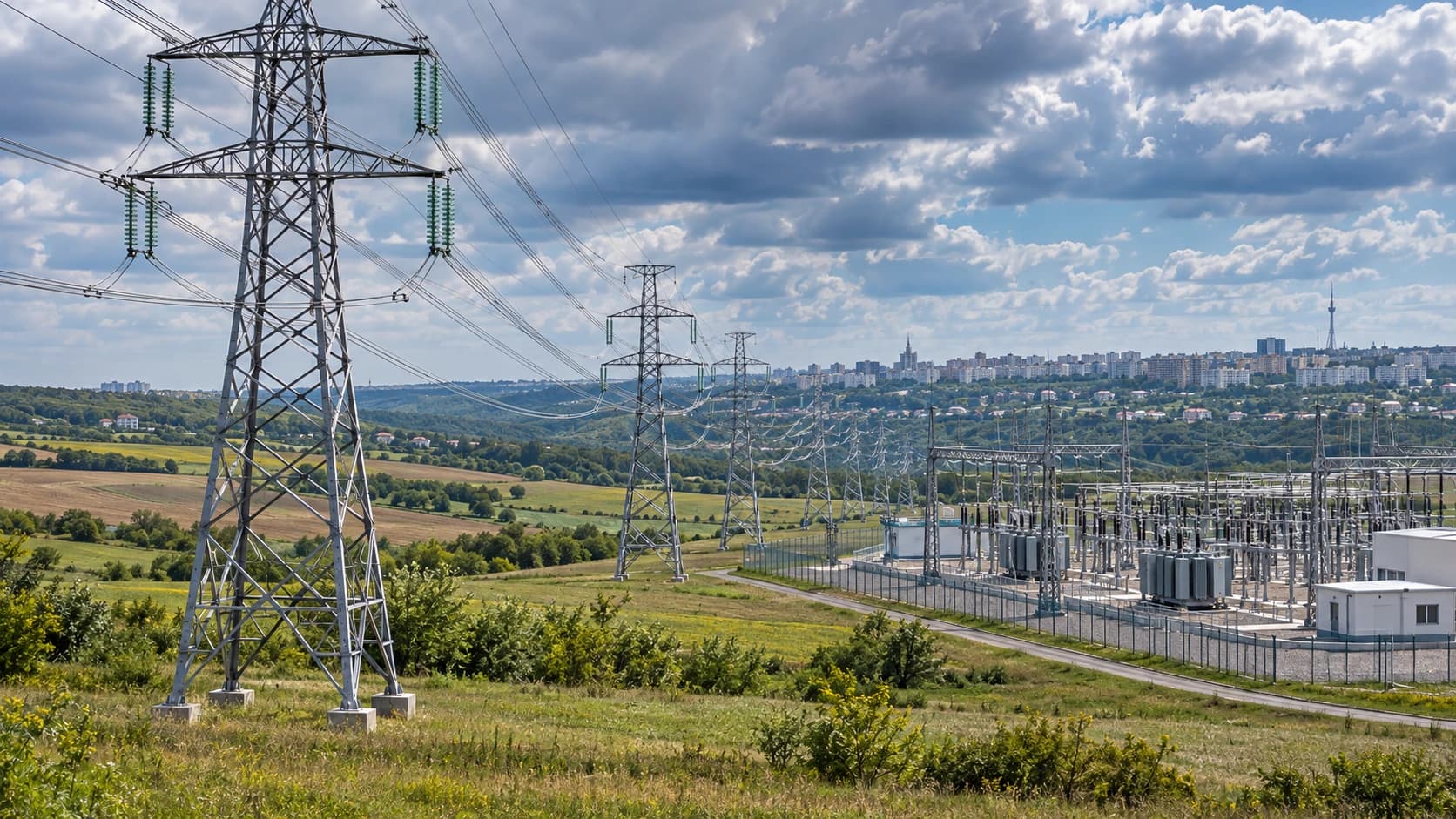
The Prime Minister's statement fits into a series of recent remarks by Moldovan authorities. The day before, on November 7, Foreign Minister Mihai Popșoi spoke of a unification process that has in fact already begun, pointing to the construction of a shared highway, new bridges over the Prut, and energy interconnections which, in his words, are bringing the countries together faster than political discussions; at the same time, he also acknowledged the need for broad public support. In October President Maia Sandu described possible unification as a way to strengthen the republic's security, but stressed that it requires the approval of an overwhelming majority of citizens. Former President Igor Dodon viewed the promotion of such an idea as a betrayal of national interests. Meanwhile, the lower house of Romania's parliament passed a bill on the integration of the two states under a silent approval procedure; the document has been sent to the Senate, while the Moldovan opposition spoke out against it, fearing a loss of sovereignty.
What is actually changing
A comparison of the statements reveals a divergence in how the stage of the process is assessed: while the Foreign Ministry speaks of unification that has in fact already begun through infrastructure projects, the Prime Minister frames it as a goal tied to EU membership, and both officials agree that a decision on state unification cannot be made without the support of the majority of citizens. For now, we are talking about statements and a bill that has passed only the lower house of the Romanian parliament — no decisions on unification have been reported.