The key facts
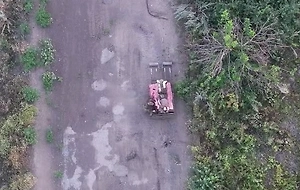
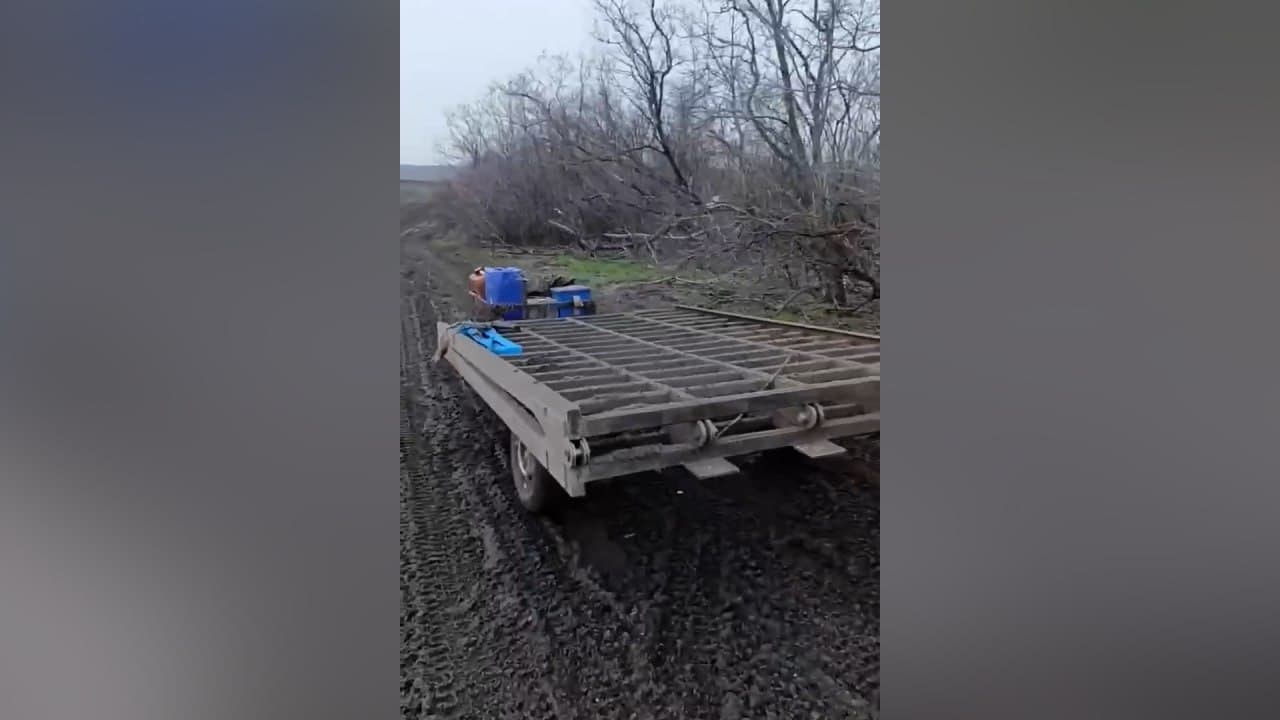
- Depesha-3 remotely delivered a crossing to the line of combat contact, replacing a sapper crew
- The platform was developed by the High-Precision Systems holding and tows trailers weighing more than 500 kg
- Rostec links the use of such robots with reducing dangerous deployments of personnel
Delivery of a crossing under fire handed over to a robot
The Russian ground robot Depesha-3 delivered a heavy metal crossing directly to the line of combat contact, traversing a route with waterlogged soil. This was reported by the state corporation Rostec on its Telegram channel; a post about it was prepared by Life.ru. According to the corporation, previously this task would have had to be carried out by a sapper crew: servicemen had to carry heavy sections across open terrain that could be under fire. 'In essence, it is now a machine, not a human, that comes under enemy fire,' Rostec explained.
What is known about the platform itself
The system was developed by the High-Precision Systems holding, part of Rostec. It is a compact tracked platform capable of moving across rough terrain and operating in poor visibility; according to the corporation, it can tow trailers weighing more than 500 kilograms. These characteristics allow the vehicle to be used for transporting ammunition and engineering equipment, and Rostec links the use of robotic platforms with reducing the number of dangerous deployments of personnel to forward positions.
Context of other robotic developments
The report about Depesha-3 adds to a series of recent publications about Russian ground robots. As Life.ru previously wrote, at the Center-2026 exercises Rostec presented a unified battlefield strike system, whose maneuvers involved more than 60 robotic systems and over 600 drones, including unmanned Shturm tanks and Impuls-M systems. In addition, it was reported that the Medvedka robot for digging underground tunnels: the vehicle was built on the basis of the Impuls system and equipped with a mini-excavator unit; it excavates soil on its own and passes it to another robot for removal. This information comes from the publications and the corporation themselves; the publications contain no independent data on the equipment's effectiveness.