The key facts
- The UK government is developing a plan for a 'Black Sky' — an event that knocks out electricity, communications and supplies for at least 72 hours
- The UK government is developing a plan for a 'Black Sky' event — one that knocks out electricity, communications and supplies for at least 72 hours
- The BBC is preparing an emergency radio studio for around 100 staff, able to operate without the internet or resupply for three days
- The BBC is preparing an emergency radio studio for around 100 staff, able to operate without the internet and resupply for three days
- Copper landline phones, which proved their worth in Lancaster, will be switched off on 31 January 2027; the future of FM radio is under government review
What is 'Black Sky' and why is everyone talking about it
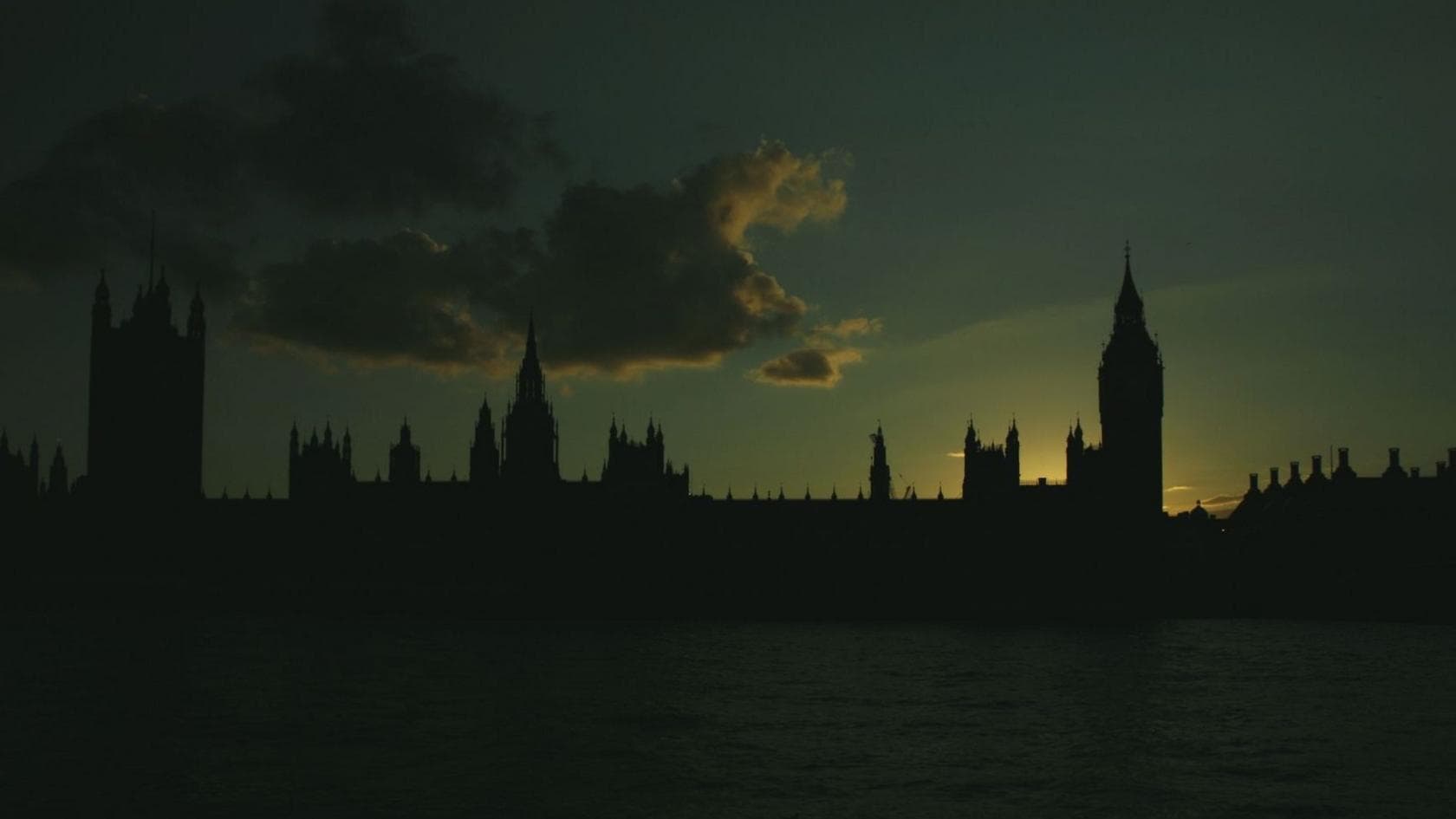
In the UK, a 'Black Sky' scenario is being discussed — a large-scale failure in which electricity, water supply, shops and communications all fail at the same time. At a recent national resilience summit, the talk was of the need to withstand such an event for at least 72 hours. In civil defence circles there is a saying: 'we are nine meals from anarchy' — a reminder of the fear that three days without food is enough to turn a crisis into chaos. BBC correspondent David Sillito reported on this in a piece about the country's contingency plans.
The lesson of Lancaster
The starting point for specialists was a real case: on the evening of 5 December 2015, at 22:45, the River Lune, which flows through Lancaster, burst its banks, and the city was left without electricity — 61,500 people lost light and heating, part of the water supply failed because of pumps, the railway station, petrol stations and shops closed, and cash machines and traffic lights stopped working. Only two communication systems survived: landline phones on copper wires and FM radio. The local commercial station The Bay ran on a generator, and a reporter travelled beyond the disaster zone to file information by phone. Professor Roger Kemp of Lancaster University, a specialist in safety and electrical systems, compiled an analysis of what happened three months later: the report noted that the most reliable source of news turned out to be a station using technology familiar to the engineers of the pirate Radio Caroline of the 1960s.
The plans of the BBC and the government
The BBC has its own plan for a 'Black Sky': around 100 staff will broadcast from a special emergency radio studio with protected communication channels that do not depend on the internet, and with supplies of fuel, water and food for at least three days. The studio will broadcast pre-prepared government messages — their scripts have already been published on the government website; among the instructions are how much water to drink per day and how to dispose of toilet waste without flushing. The radio transmission masts are isolated from the internet and equipped with diesel tanks ranging from 5 to 40,000 litres, so that the generators can run for three days — FM broadcasting is energy-intensive. Communication between teams is via satellite phones, and in case they fail, protocols and meeting points are provided. One BBC insider said that the original plan was for five to seven days, but the latest advice from the national grid operator Neso was that power would probably be restored within two to three days.
What else is being done, and what is controversial
The government says there is no specific threat to the power grid, and that the 'Be Prepared' campaign is aimed at any kind of crisis. Nevertheless, work on backup systems continues: £70 million is being allocated for high-altitude 'pseudo-satellites' (HAPS) — aircraft capable of circling above the country and providing at least a week of emergency mobile communications and internet. Rico Chandra, programme director at Enduring Atmospheric Platforms, noted that if ground networks fail, the capabilities of satellites as a fallback are limited. Lord Harris, chair of the National Readiness Commission, points to vulnerabilities: a power cut would stop the water supply, and frozen sewage would lead to blockages and backflow in the sewer system. He also criticises the switch of emergency services communications from radio to 4G/5G mobile technologies — in his words, a mobile network failure would also hit rescuers' communications; the government, however, calls the transition to modern technologies 'resilient and reliable'. The impetus for the discussion was the mass blackout in Spain, Portugal and south-west France in April 2025.
The paradox: old systems are disappearing
Notably, preparations for a 'Black Sky' have coincided with the abandonment of the very technologies that proved most resilient in Lancaster. The copper landline telephone network, which works without electricity, will be switched off on 31 January 2027; the government responds that copper lines were a useful backup during power outages, but are now unreliable and difficult to repair. The future of FM radio is also under government review. Roger Kemp himself assessed the progress sceptically: 'If anything, we have gone backwards,' adding that the shutdown of the public telephone network shows the absence of a well-thought-out communications scheme for a loss of power. In Europe, governments regularly advise households to stockpile supplies in case of an emergency, but the UK, according to the BBC, lags behind in such warnings.
 Image source, Getty Images
The government's 'Be Ready' campaign warns that severe weather and cyber-attacks could disrupt essential services

David Sillito turns the hand crank on his clockwork radio for instant emergency power
 Image source, DragonImages via Getty Images
Experts believe three days would probably be enough to get things working again if a Black Sky event happened in the UK