The key facts
- Marga Nograles (Tourism Promotions Board Philippines) presented destinations and a seasonal calendar at World Travel Market in London
- Camiguin, with its 14 volcanoes, was included in The New York Times' list '52 Places to Go in 2026' — the only Philippine province on it
- Iloilo has been a UNESCO City of Gastronomy since 2023, and Bacolod is the first international Slow Food Hub in Asia and the Pacific
A seasonal calendar: from whales to surfing
The Philippines is an archipelago of more than 7,000 islands in Southeast Asia, combining coastline, tropical forests and volcanic peaks. At the World Travel Market exhibition in London, the chief operating officer of the Tourism Promotions Board Philippines, Marga Nograles, described the country as tropical and welcoming to visitors at any time of year, noting that 'at any time of year, every traveller has the opportunity to have an authentic experience.'
Where to go and when
According to Nograles, whale watching takes place in the Philippines from December to May — in four different locations across the archipelago — and at the same time island-hopping boat trips with visits to award-winning beach resorts are ideal. Adventure seekers, she advised, should head to the island of Siargao from September to January, when the waves reach about nine feet: 'At this time, many surfers come to the Philippines,' she said, adding that this is also the best time for canyoning and the sardine run.
Hidden gems
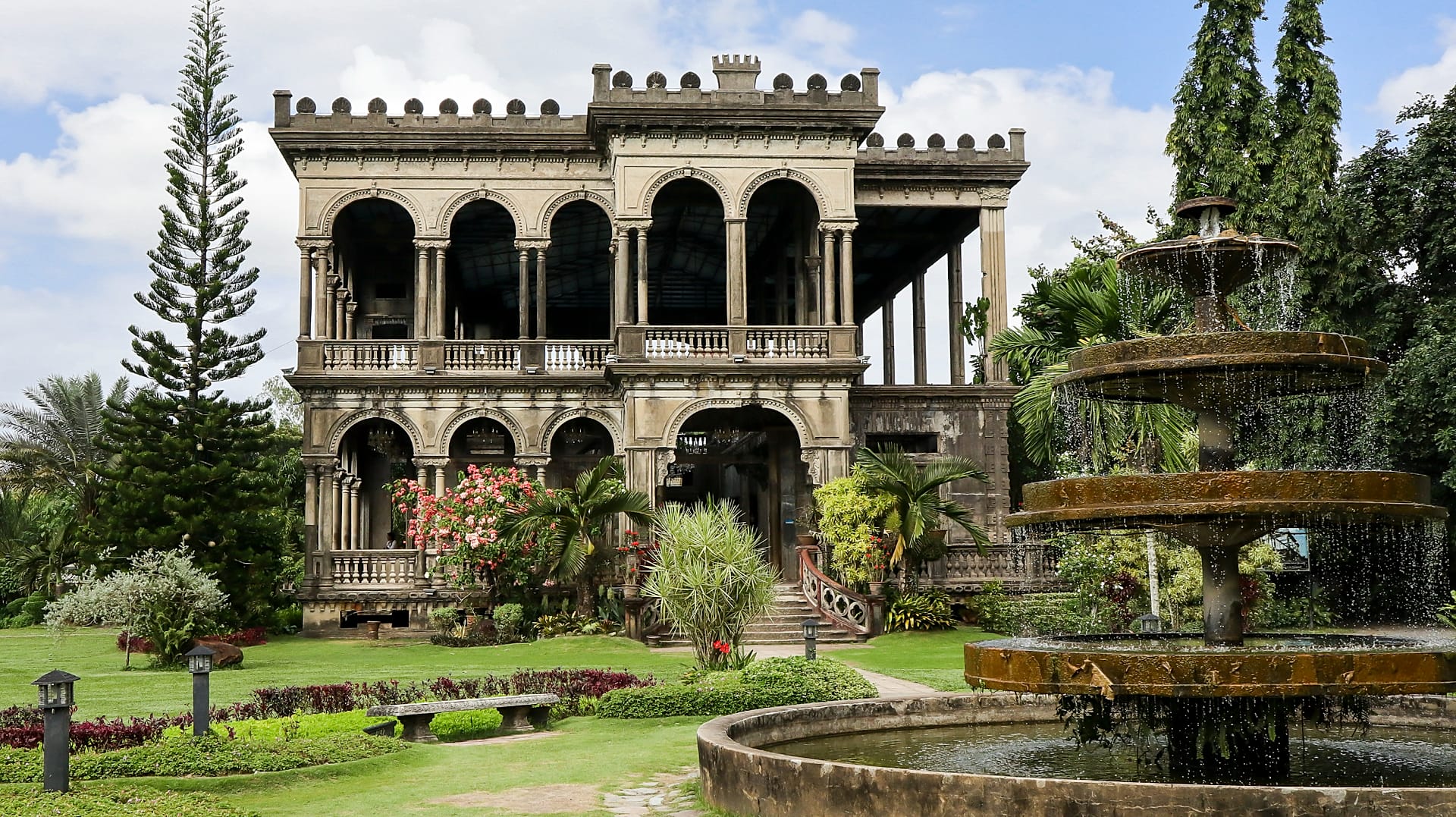
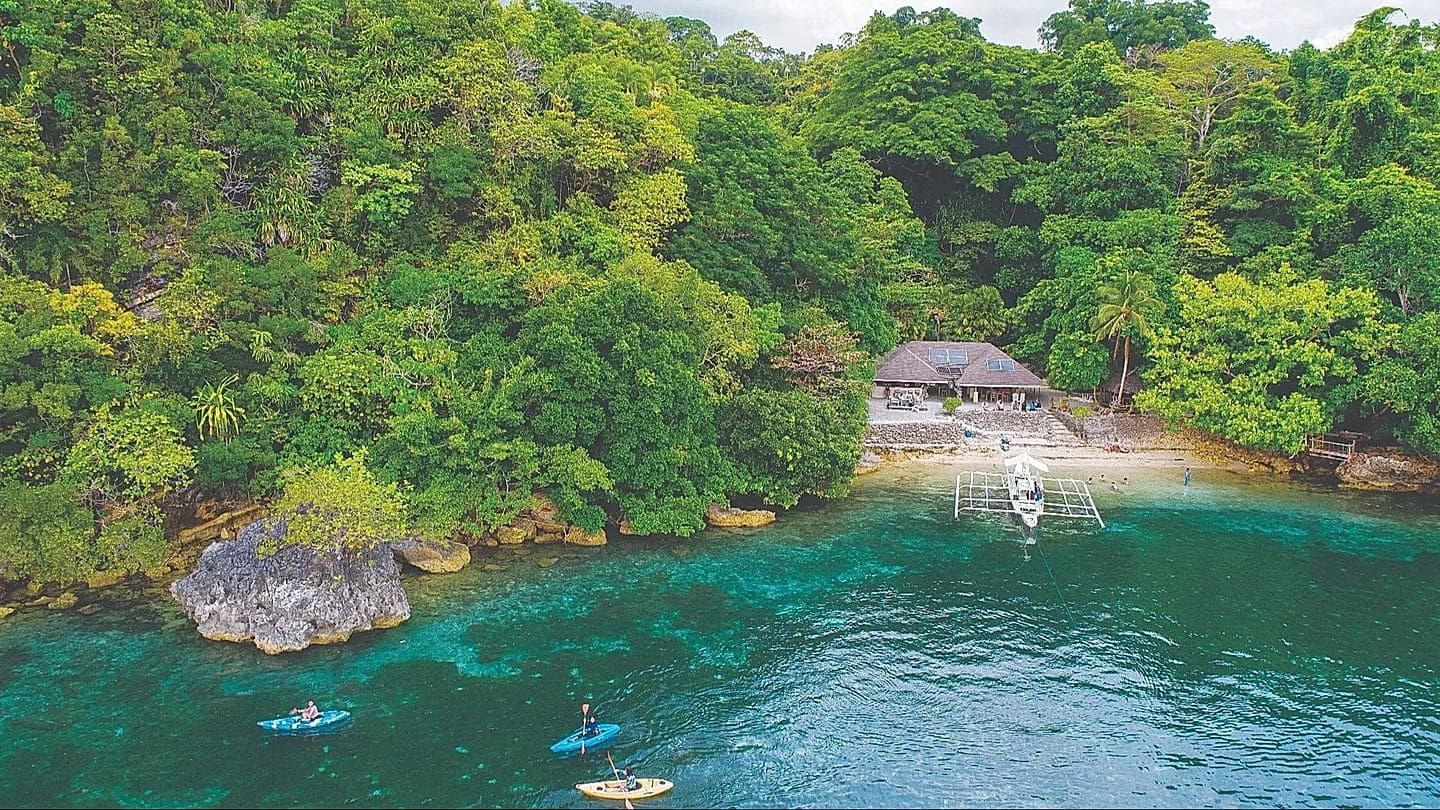
Beyond Manila, Nograles named several destinations. Siquijor, the country's third-smallest province by area, is described as a 'hidden gem' with white-sand beaches, waterfalls and rich marine biodiversity; kayaking, trekking and snorkelling are possible there in the Katikugan marine sanctuary. In Pampanga province, she recommends Clark — a 'convenient destination' with a rich history and growing leisure opportunities. She singled out the island of Camiguin with its 14 volcanoes, included in The New York Times' list '52 Places to Go in 2026' — the only Philippine province to receive such international recognition.
Gastronomic tourism
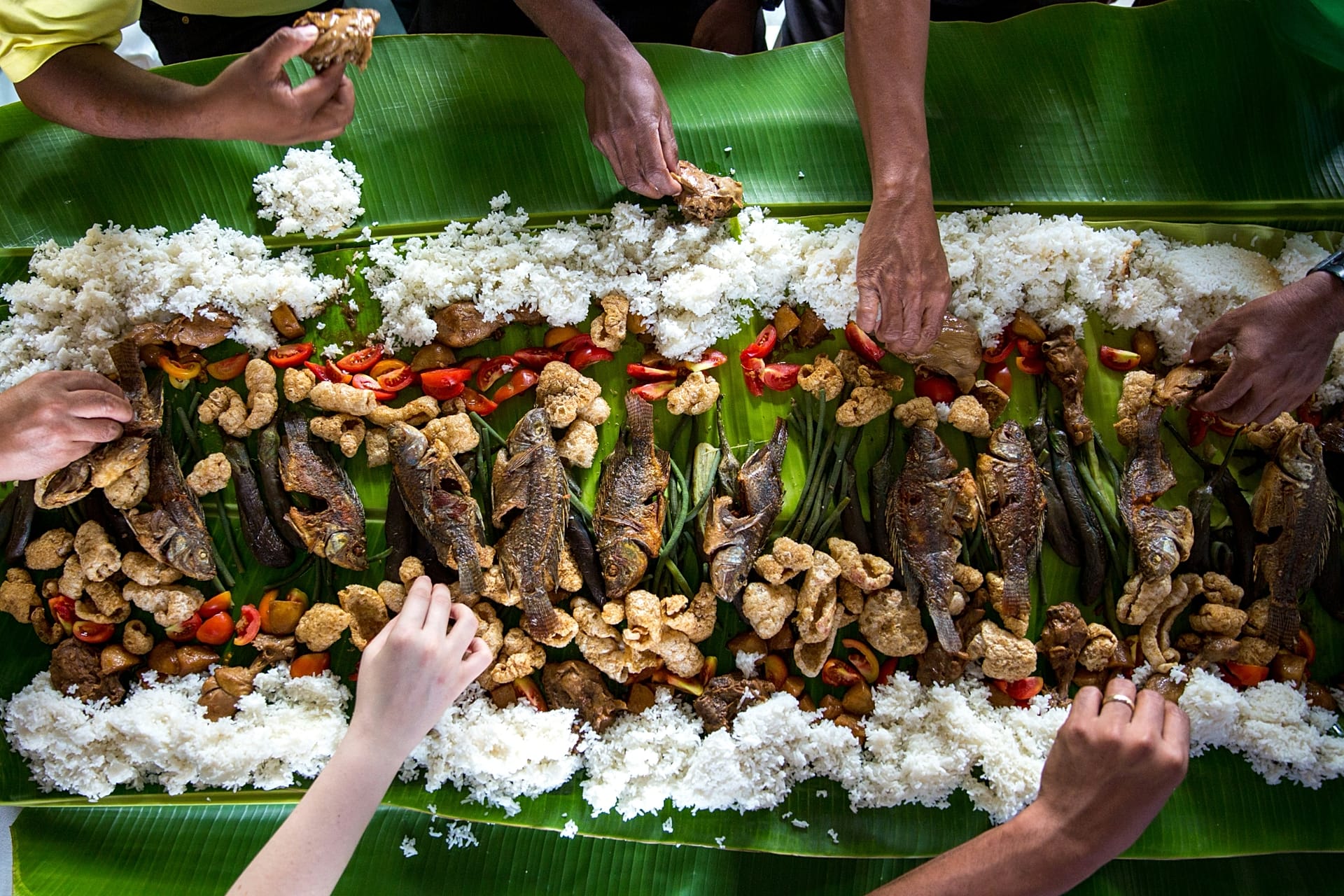
Iloilo, known as the 'heart of the Philippines,' was included by UNESCO in its list of Creative Cities of Gastronomy in 2023 and has more than 300 restaurants; UNESCO commends the city for its 'fiesta' culture and tradition of festive feasts. Since 2021, the Timplada festival has been held there, with educational events about culinary heritage. Bacolod, in the north-west of the island of Negros, has become, according to the Slow Food foundation, the first international Slow Food Hub in Asia and the Pacific, while the province of Negros Occidental is the 'organic capital of the Philippines.' On the sandy shoal of Carbin Reef, tourists are invited to try kinilaw — raw fish marinated in vinegar with tomatoes, red onion, ginger and lemon zest.
More than 40,000 festivals a year
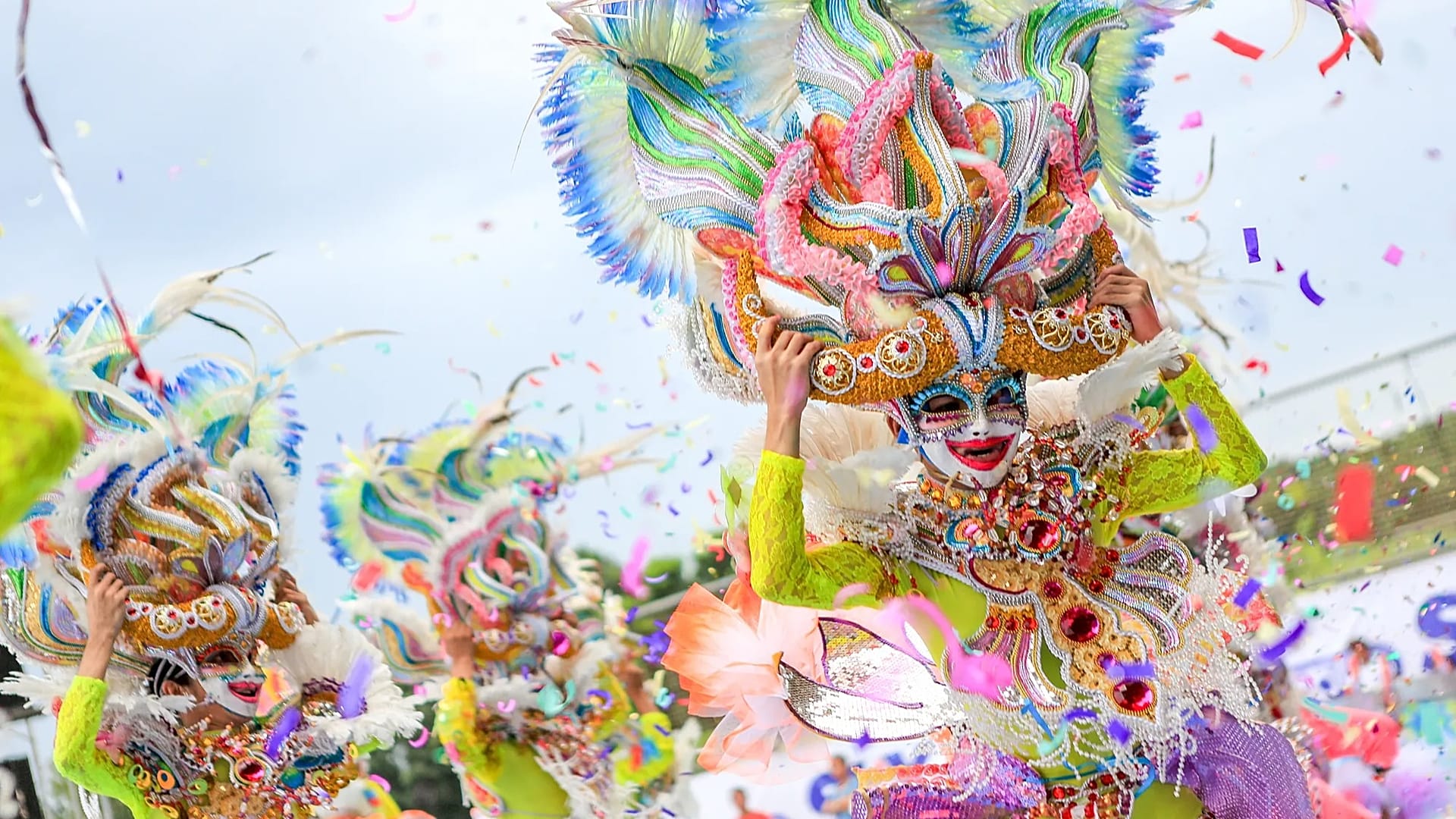
Nograles said that more than 40,000 festivals are held in the country every year, and highlighted three of them. Sinulog in Cebu (the Visayas region) is a celebration of faith dedicated to Señor Santo Niño (the Holy Child Jesus): 'life in the city literally comes to a standstill because everyone is celebrating in the streets.' In Davao, the Kadayawan festival is dedicated to the harvest — with concerts, street dancing and the seasonal fruits of the southern Philippines. In the north of the archipelago, the month-long Panagbenga festival takes place — a 'festival of flowers,' when all kinds of flowers bloom in the mountains.