
The key facts
- The Bank of England has raised rates for the first time in more than three years; experts believe further increases are possible over 18 months
- Around 1.3 million Britons on variable rates will see payments rise immediately; fixed rates have already gone up too
- Debt charity StepChange has recorded a 20% rise in requests for help over the year
First increase in more than three years
On Thursday, the Bank of England raised its base rate by 0.25 percentage points — the first increase in more than three years — as it tries to curb inflation linked to the war with Iran. Experts believe further increases are possible over the next 18 months, as the conflict continues to push up prices for food, fuel and energy in the UK and around the world. This is reported by BBC News.
Who is affected immediately and who with a delay
The rate rise hits borrowers unevenly. Around 1.3 million Britons with variable-rate mortgages will feel the increase immediately: their payments are tied to the base rate plus the bank's margin. For example, Peter Gill, 48, who runs a small tiling business in Halifax, expects his monthly payment to rise by about £45, but for now believes that switching to a fixed rate would have cost more. Most borrowers, however, are on fixed rates, and for them the effect is delayed but already showing: David Hollingworth of broker L&C Mortgages notes that fixed rates have already risen in anticipation of tighter policy, and many will be shocked by the difference from offers five years ago. The case of pilates instructor Dawn Fazackerley-King from near Ipswich is telling: her five-year fix at 1.4%, taken out in January 2022, is ending, and the best deal she found is 5.69% for two years, which will add about £200 a month on a household income of around £70,000 a year. «I don't know where that money will come from,» she says, noting that «there's no more fat to trim».
Credit cards and debt: pressure on household budgets
A base rate rise usually pushes up credit card costs too, although the effect is not instant: providers can raise rates on existing debts with 30 days' notice. Ben Thomas, 41, a former accountant from Shropshire who retrained as a paramedic after a mental health crisis during the pandemic and accumulated £52,000 of debt, has frozen interest on most of the debt but is still paying interest on about £2,000 of credit card debt and fears his payments will rise. StepChange, the charity helping him, recorded a 20% rise in requests for support over the year; its head of communications, Simon Trevethick, warns that if the rising cost of credit reaches household budgets, pressure on those seeking help will intensify. The BBC also examines, how high the rate could go, and the three main channels through which the rise affects your wallet — mortgages, savings and consumer debt.
 Image source, Supplied
The BBC spoke to three people about how they could be affected by rising interest rates
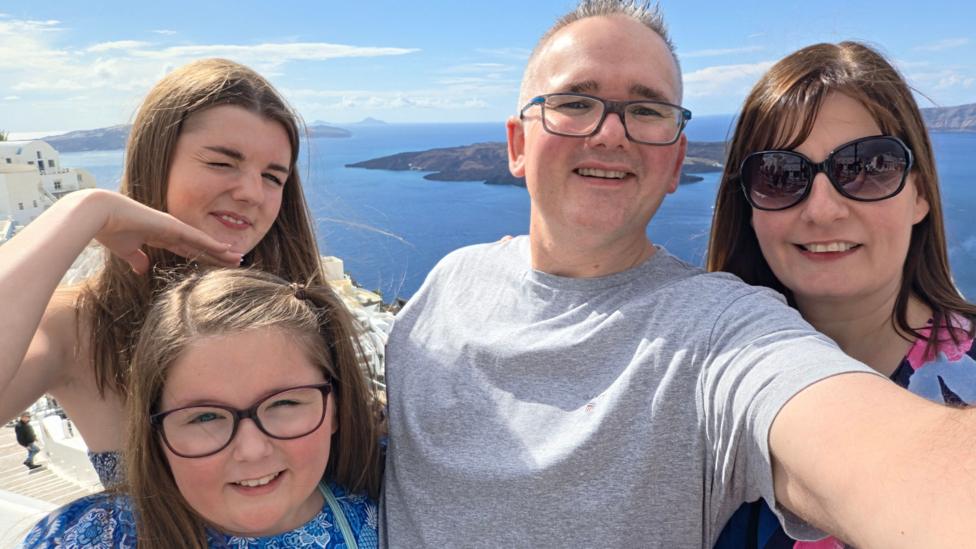 Image source, Peter Gill
Peter Gill says his family's costs are rising
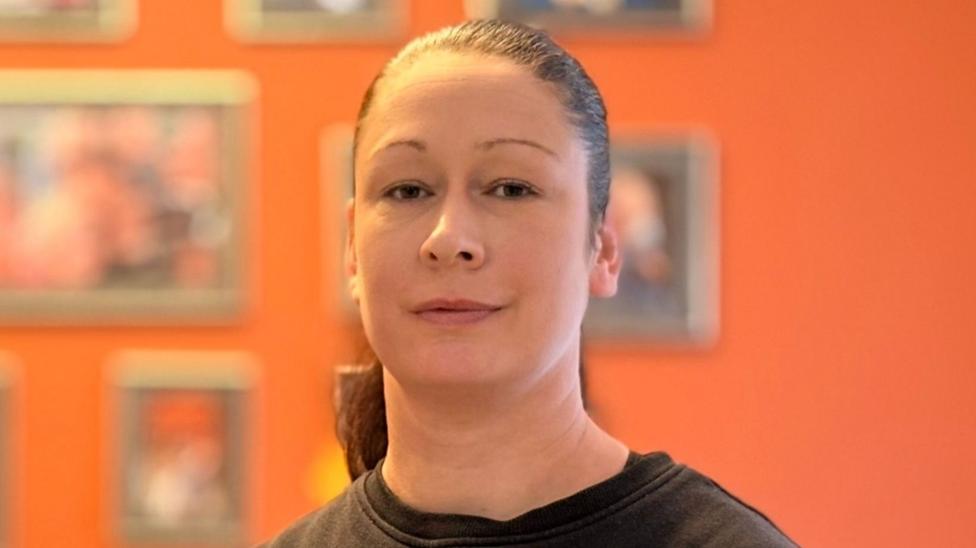 Image source, Ben Schofield/BBC
Dawn Fazackerley-King is struggling but says there's «no more fat to trim»
 Image source, Ben Thomas
Higher interest rates are «another cost to deal with», says Ben