The key facts
- Around one-third of people snack every evening after dinner; among 18–24-year-olds, four out of five cannot resist.
- About a third of people snack every evening after dinner; among 18–24-year-olds it's four out of five
- Eating within two hours before bedtime is linked to higher chances of weight gain and obesity.
- Appetite naturally peaks in the evening regardless of how much was eaten during the day.
- Appetite naturally peaks in the evening regardless of how much was eaten during the day
Evening snacking is a widespread phenomenon
Dinner has been eaten, you feel full, yet half an hour later your hand instinctively reaches for the kitchen cupboards. According to BBC News citing research from the Oral Health Foundation, around one-third of people snack every evening after their evening meal, and among those aged 18–24, four out of five cannot resist. Dietitian Dr. Christine Boileau describes this situation as alarming, pointing to data showing that the more a person eats within two hours before bedtime, the higher the likelihood of gaining weight and developing obesity.
Biology versus willpower
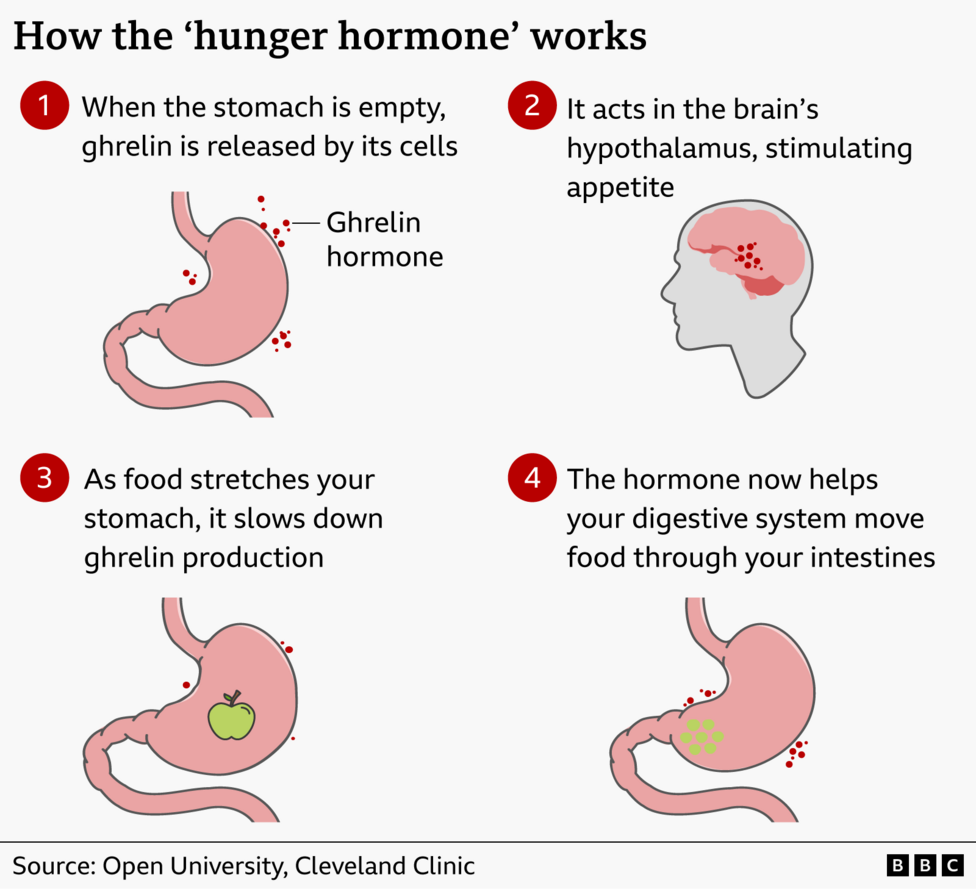
Professor James Betts from the University of Bath explains evening cravings through the hunger hormone ghrelin: its levels are typically higher in the second half of the day, and as the scientist notes, it is suppressed only after the first meal of the day, not after lunch or dinner. Studies show that appetite peaks in the evening almost regardless of how much a person has eaten earlier. Moreover, cravings for calorie-dense foods intensify in the evening—this is linked to the brain's reward system rather than a genuine need for energy. 'Our preference and desire for fatty foods are higher in the evening than for low-fat options,' says Boileau, who works at the University of Leeds and the University of Moncton in Canada: 'the hedonistic impulse can override signals of fullness.' Habit also plays a role: Professor Suzanne Higgs from the University of Birmingham notes that if snacking usually occurs in a specific setting, then, for example, turning on the television alone can trigger the urge to eat.
Does snacking affect sleep?
Data on the impact of evening snacking on sleep are contradictory. There is evidence that foods high in refined carbohydrates and added sugar—from white bread and white rice to cookies and cakes—may be associated with poorer sleep: such products cause sharper fluctuations in blood sugar and, presumably, alter hormonal signals regulating sleep and appetite. However, establishing a causal link is difficult: people with poor sleep may simply eat more sweets. 'It is known that lack of sleep not only increases appetite but also cravings for calorie-dense foods,' says Professor Jonathan Johnston, an expert on sleep and biological clocks from the University of Surrey. Betts concludes that the evidence is 'far from clear,' and different people may respond differently to eating before bedtime.
What experts recommend
According to Boileau, a complete ban on evening snacking is unnecessary—a reasonable portion of something enjoyable is more sustainable in the long term, and a little chocolate now and then 'is not the end of the world.' Specialists suggest first understanding what triggers the snack: if it is genuine hunger, making earlier meals more filling helps—foods rich in protein, fiber, and volume maintain satiety longer, while an unsatisfying dinner may lead to a 'breakdown' and later snacking. If snacking has become a habit, it is worth changing the routine and planning it in advance; distracted eating, such as in front of the television, leads to overeating because the person pays less attention to how much they consume. Boileau's main advice is to make healthy choices the default option: if desired unhealthy products are regularly absent from the cupboard, while fruits, yogurt, and nuts are available, choosing something nutritious becomes more likely.
 Image source, Getty Images