The key facts
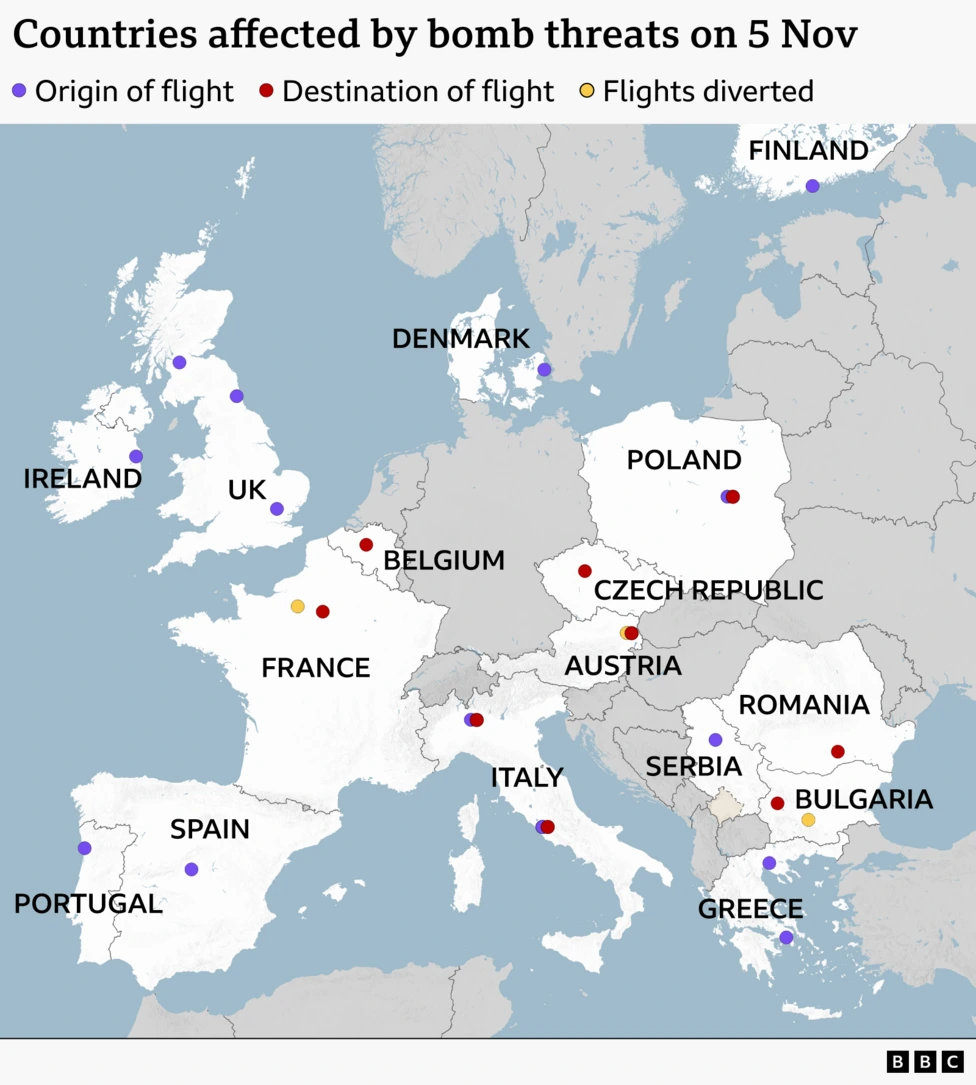
- False bomb threats hit European airlines and airports for the second time in a week; almost all flights except London Heathrow were diverted, and in Italy fighter jets escorted a plane
- All the threats proved false, but, as the BBC notes, this does not guarantee the next ones will be false
- As of Thursday evening, no solid evidence had emerged linking the threats to Russia, Iran, or their proxy groups
A series of false threats paralyzed European airports
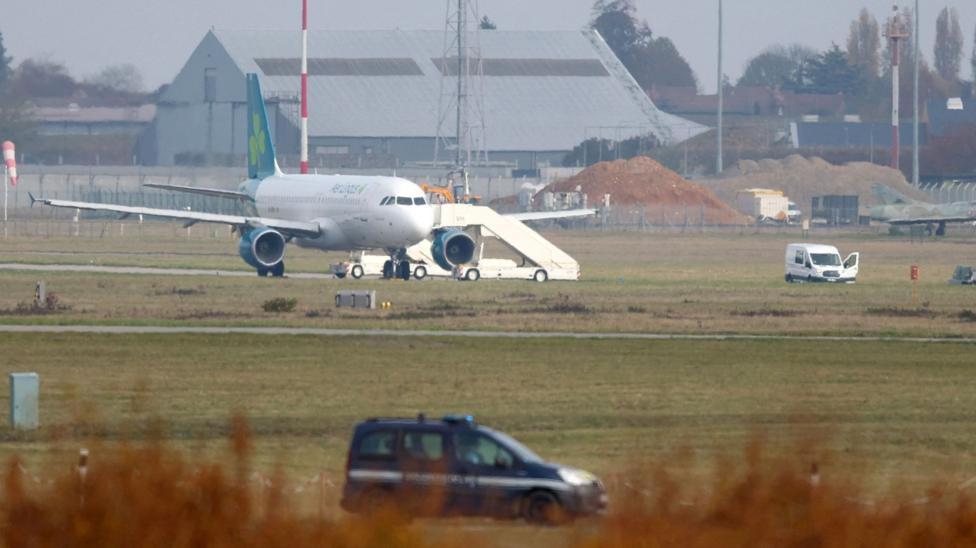
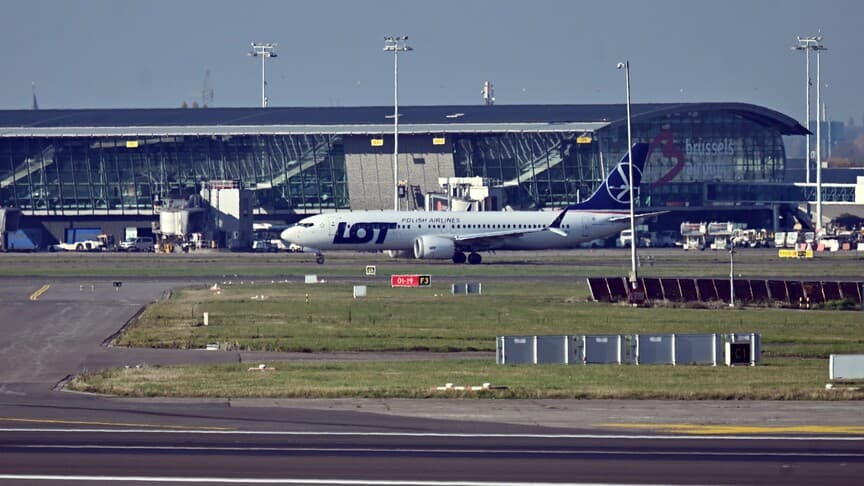
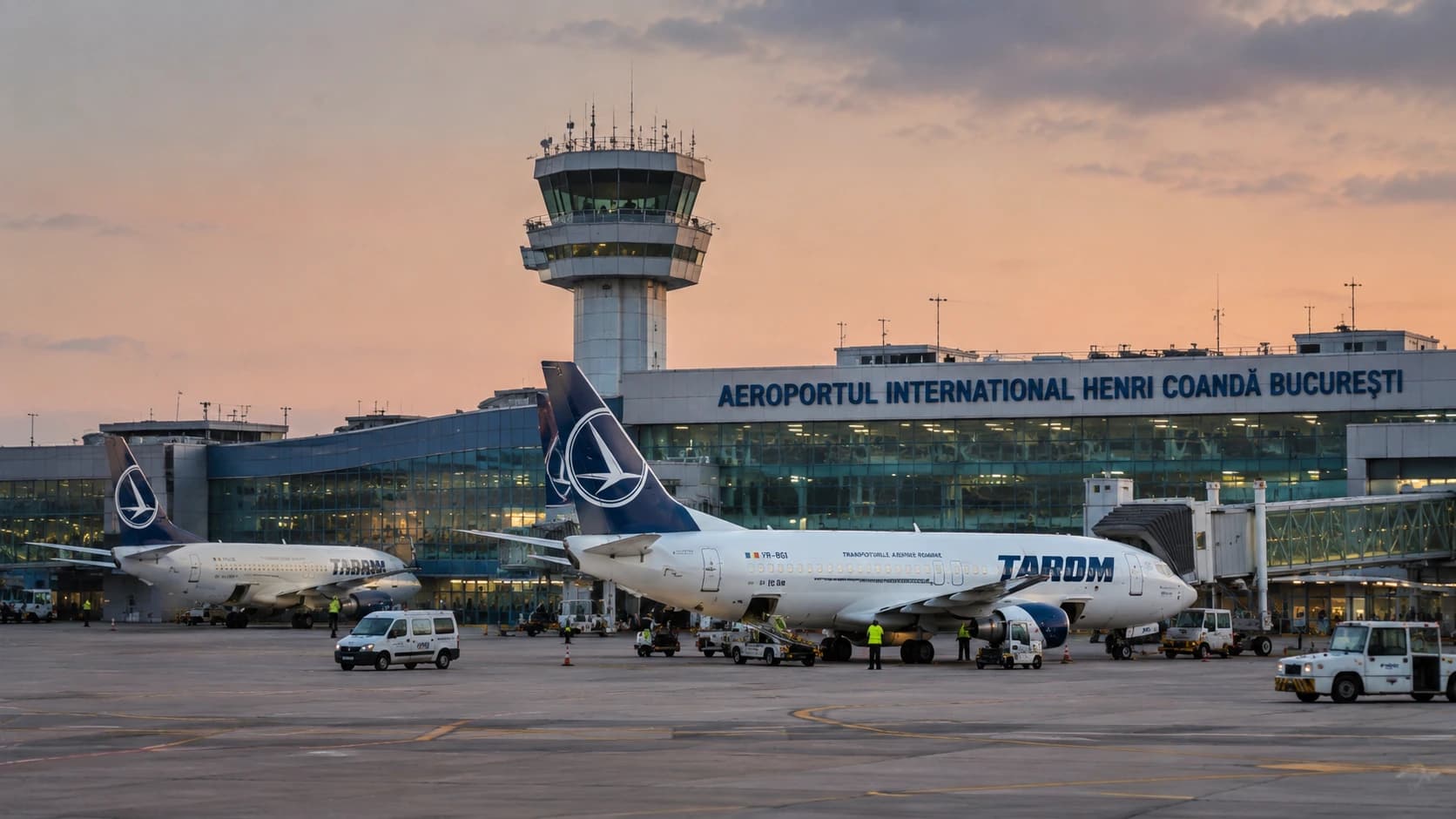
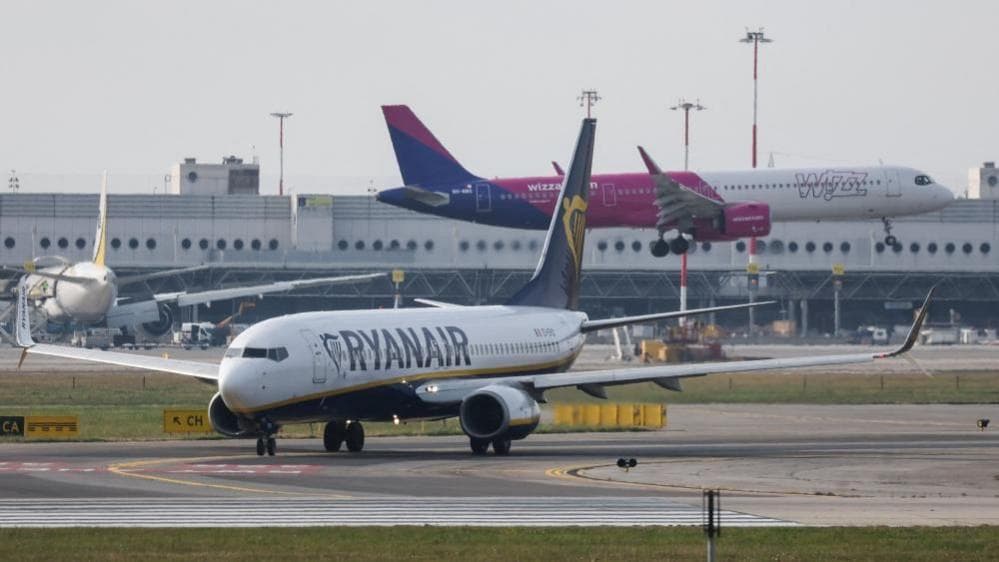
In a single week, European airlines and airports have for the second time been hit by a wave of false bomb reports. As noted by BBC security correspondent Frank Gardner, the threats came one after another, targeting different airlines and airports. In almost all cases — with the notable exception of London's Heathrow airport — they were deemed credible enough to divert aircraft, and in Italy fighter jets were scrambled to escort one of the flights. All the threats ultimately proved false, but, the author stresses, this does not mean the next ones will not be real.
Suspicion toward Russia remains without evidence
The coordinated nature of the threats, against the backdrop of other incidents in Europe, leads some observers to point to Russia. The BBC lists the context: a series of cyberattacks and mysterious drone appearances over sensitive sites earlier this year; in recent days, the remote hacking of supermarket freezers and a blood bank; a suspicious incident on Poland's border with Russia; and in August, a drone attack on the Leipzig-Halle airport in Germany, which the country's interior minister publicly blamed on Moscow. There are circumstantial arguments that this is an example of 'hybrid' warfare — anonymous and deniable actions that damage infrastructure but fall short of the threshold of NATO's Article 5. At the same time, as the BBC notes, by Thursday evening no solid evidence had emerged linking the threats to Russia, Iran, or the proxy groups they control.
A letter to Rome and the difficulty of finding the culprits
One of the threats arrived by email on Thursday morning to the authorities of Rome's airport in the name of the 'Fighters of the Male State'. The name likely refers to the Russian far-right group 'Male Legion' (Muzhskoi Legion), banned by a Moscow court in 2021 for extremist views but retaining tens of thousands of subscribers on Telegram and supporting Russia's full-scale invasion of Ukraine. However, as the BBC notes, even if the letter is genuine — it is possible that another group is hiding behind the name — it is unlikely to give police and airport authorities leads for identifying the sources of the threats. The task for national police forces, airport services, and transport ministries, in the author's wording, is not to chase the suspects they consider most likely, but to work on 'cold, hard leads', if any can be found.
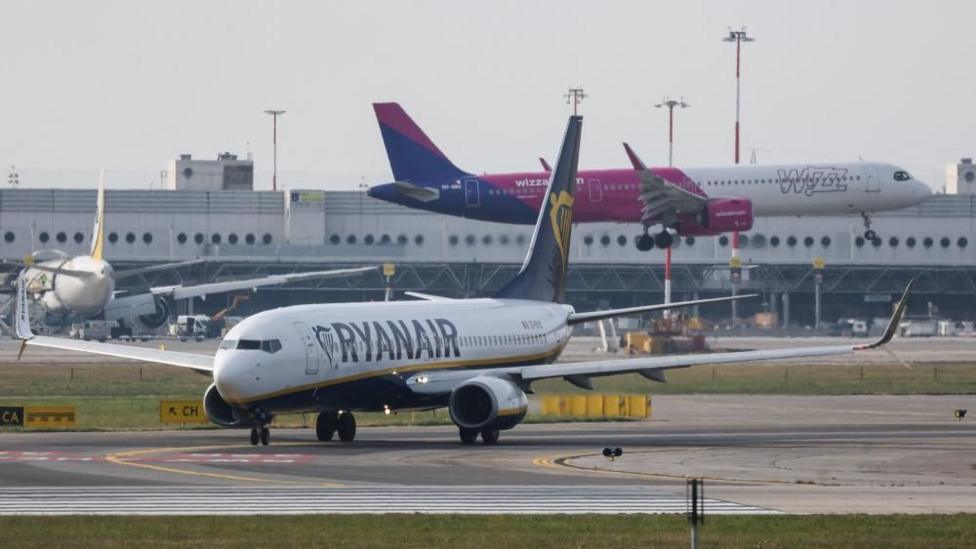 Image source, Reuters
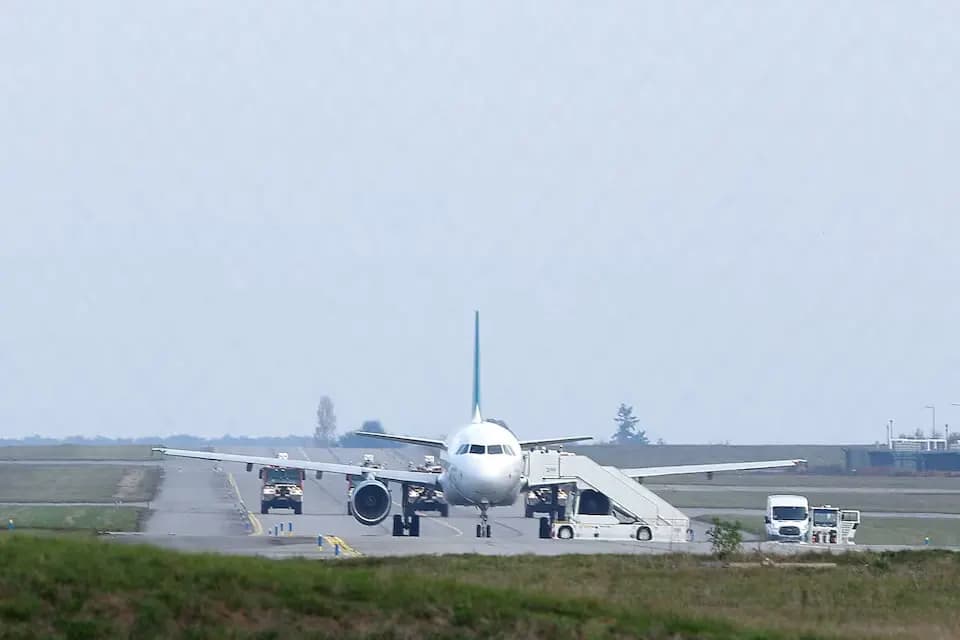
Authorities will be scrambling to follow any information that might lead them to a culprit