The key facts
- At least 22 flights in Europe received bomb threats from November 2 to November 5
- Flights of Ryanair, Wizz Air, LOT, SAS, Finnair, Jettime, Aer Lingus, and Aegean Airlines were affected
- The incidents involved emergency landings, diversions, and military fighter jet escorts
The scale of the threat wave
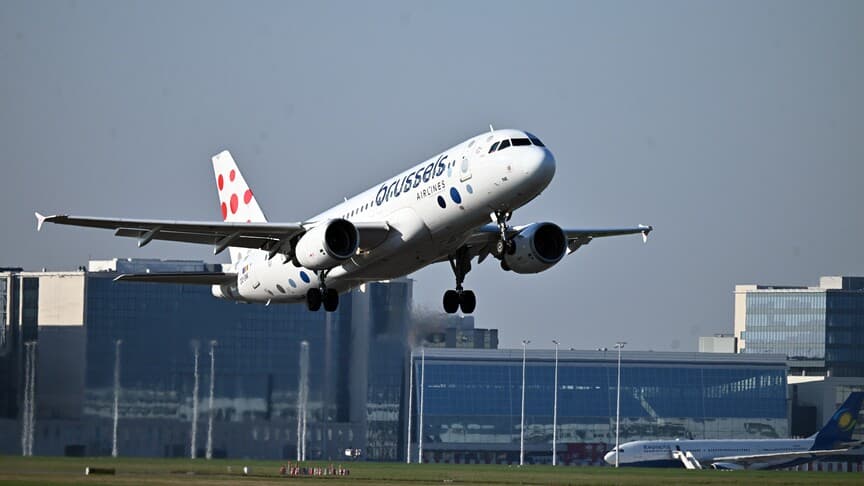
According to the Turkish agency Anadolu, from November 2 to November 5 at least 22 passenger flights in Europe were targeted by bomb threats. The incidents led to emergency landings, aircraft diversions, fighter jet escorts, and plane inspections at airports in several countries. Affected flights included those of Ryanair, Wizz Air, LOT Polish Airlines, SAS, Finnair, Jettime, Aer Lingus, and Aegean Airlines.
The first days: November 2–3
On November 2, a Wizz Air flight from London to Sofia was diverted to Budapest after a threat; the aircraft was inspected, no explosive device was found, and the plane continued on to Bulgaria. On November 3, threats affected seven flights in Spain, Poland, Bulgaria, and Italy. In Spain, a Ryanair aircraft arriving from Manchester landed in Murcia, where 114 passengers and seven crew members were screened. In Poland, two flights were diverted to Warsaw — a LOT flight from London Heathrow and an SAS flight from Copenhagen. In Bulgaria, an aircraft flying from Israel made an emergency landing in Sofia after an email threat. In Italy, two Ryanair flights from Dublin and Lisbon to Rome's Fiumicino were the targets of separate alerts: the plane from Lisbon was escorted by fighter jets, and the aircraft were inspected by bomb disposal experts.
November 5: at least 15 flights in a single day
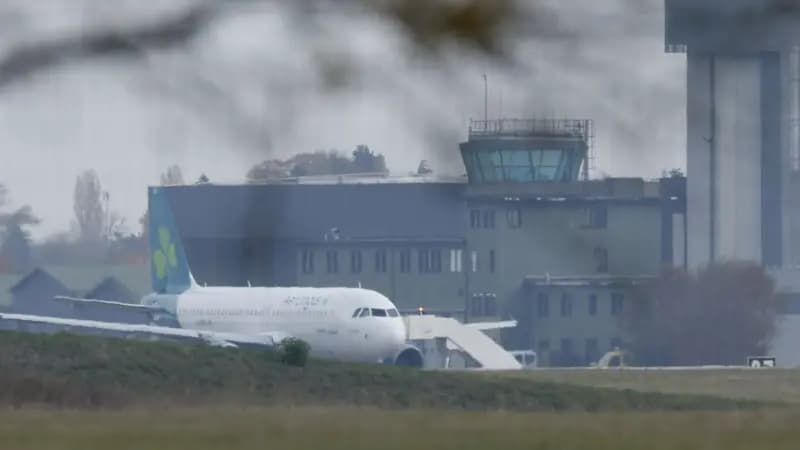
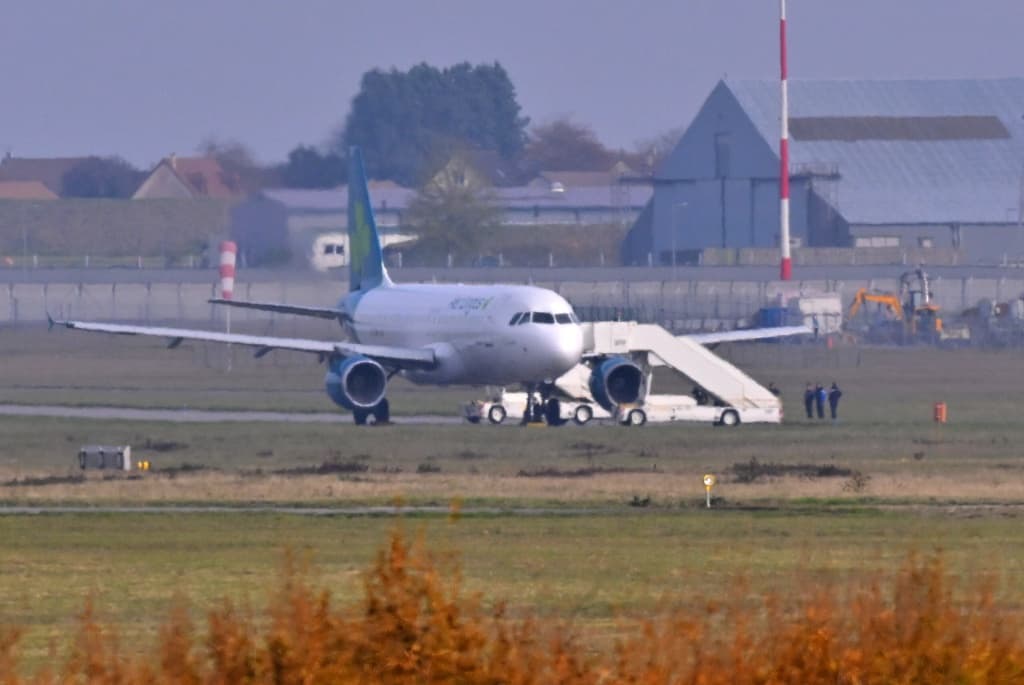
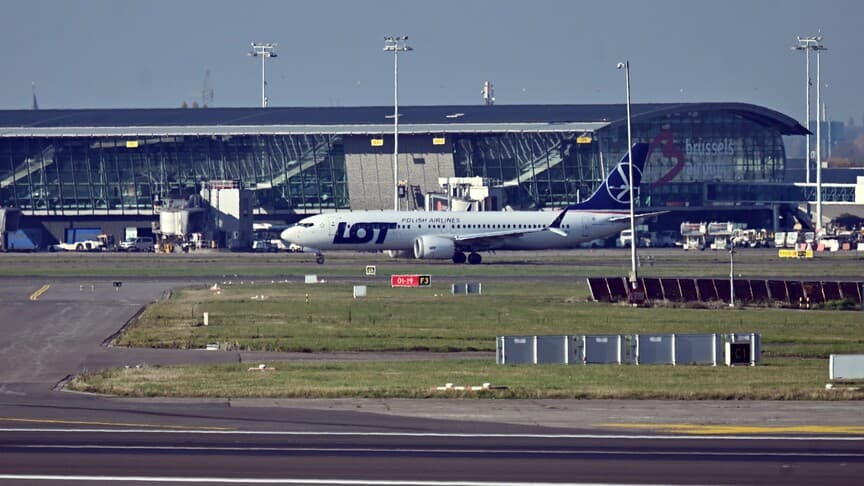
On Thursday, November 5, at least 15 flights received threats. An Aer Lingus Airbus A320 flying from Dublin to Rome with 151 passengers and six crew members landed at the Évreux air base in Normandy, where it was inspected by military bomb disposal experts. In Italy, air force fighter jets escorted a Finnair flight from Helsinki to Rome; two flights to Milan (Aegean Airlines and Ryanair) received threats but landed on schedule. A flight from Helsinki to Vienna operated by Jettime also received a threat and landed on schedule, while a Wizz Air aircraft flying from Milan to Warsaw made an unscheduled landing in Vienna, where no suspicious items were found. In Bulgaria, the air force scrambled MiG-29 fighter jets in response to threats against three Ryanair flights to Sofia. In Romania, a Wizz Air flight from Milan to Bucharest landed after a threat, and the passengers were evacuated. Incidents also occurred in Belgium (a LOT flight from Warsaw to Brussels) and in the Czech Republic, where police reported threats against four flights to Prague and activated security procedures. In Poland, a LOT flight from Warsaw to Paris underwent security procedures at Chopin Airport after a threat on board.
What is known and what remains unclear
In all the described cases where inspection results are reported, no explosive devices were found. Anadolu does not report any arrests, the source of the threats, or any possible connection between them — these questions remain open. Notably, the wave intensified toward the end of the period: while one flight was affected on November 2 and seven on November 3, on November 5 the threats touched at least 15 flights across ten countries, requiring the deployment of fighter jets in at least Italy and Bulgaria.