The key facts
- At least 27 flights in Europe received false bomb threats on Thursday — the second wave in a week (on Tuesday, at least 7 flights and a cruise liner were targeted)
- France, Bulgaria, Spain, Poland, Denmark and other countries were affected; in Madrid, passengers were disembarked and planes were inspected
- No one has yet officially claimed responsibility; Reuters experts allow for a hybrid war scenario
Second wave of threats in a week
On Thursday, false bomb threats spread across several European countries, affecting at least 27 passenger flights. The incidents, recorded across a territory stretching from Ireland to Bulgaria, led some aircraft to change their routes and others to land under fighter jet escort. According to Reuters, which Zamon.uzcites, this is already the second wave of such threats in a week: on Tuesday, false reports came in regarding at least seven flights and one cruise liner. So far, no state has officially declared who is behind the threats.
What happened at the airports
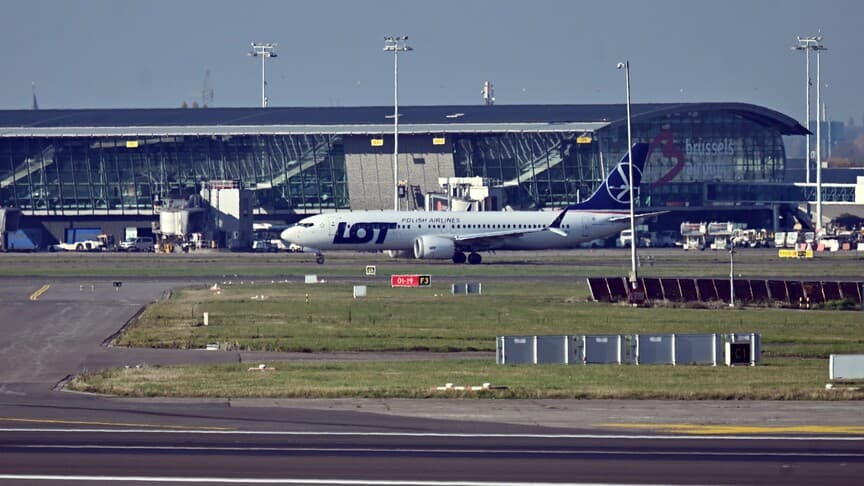
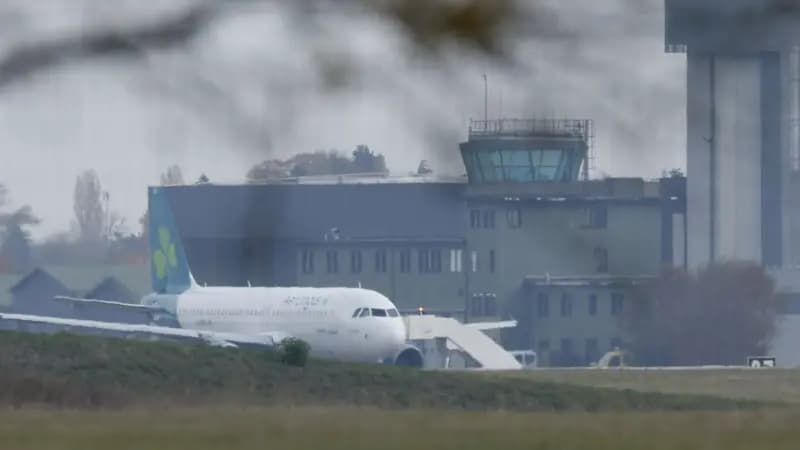
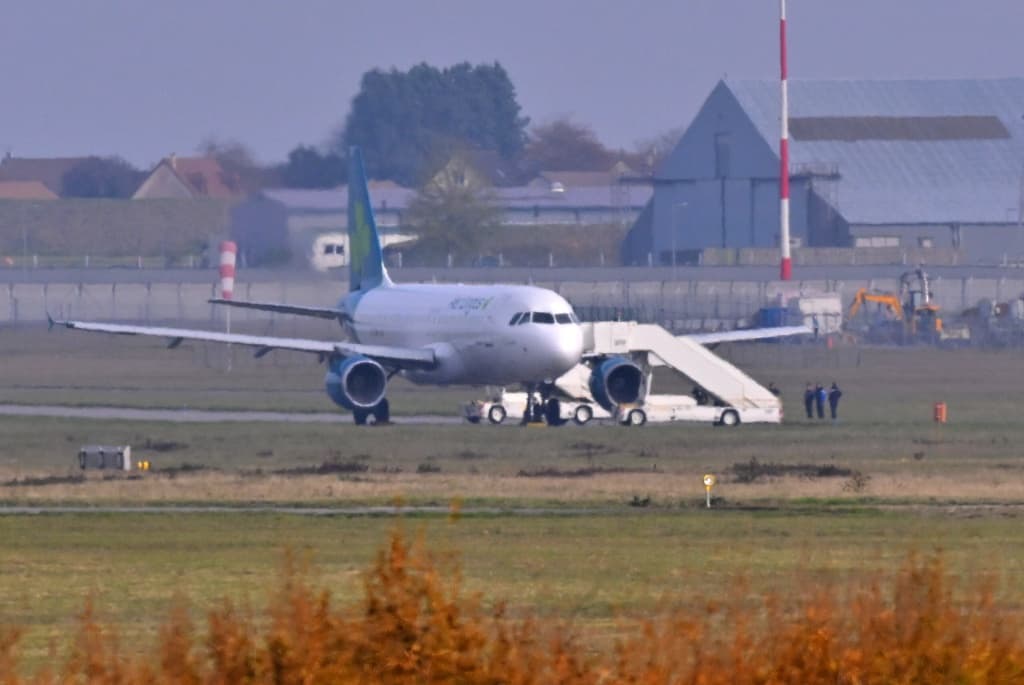
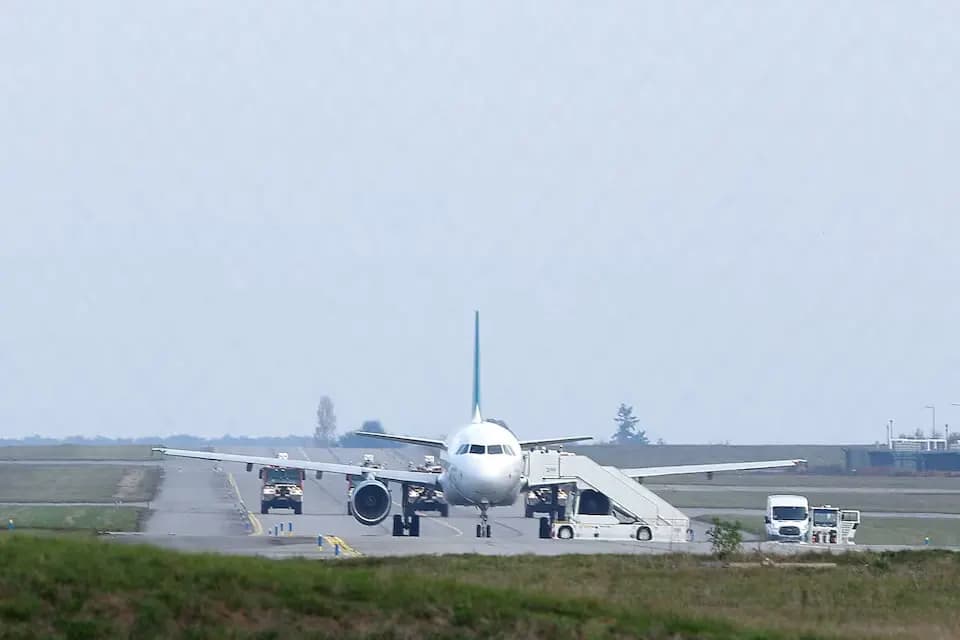
In France, an Aer Lingus aircraft flying from Dublin to Rome was diverted, under fighter escort, to the military airbase at Évreux. The Bulgarian air force escorted three passenger planes, and a flight from London to Sofia was redirected to Plovdiv. In Spain, threats targeted two Air Europa flights on the Madrid–Paris route and four Iberia flights from Rome and Milan: at Madrid airport, the movement of some aircraft was suspended, passengers were disembarked, and the planes were inspected. In Warsaw, a LOT aircraft preparing to depart for Paris was stopped before takeoff; in Copenhagen, two planes were checked; a Wizz Air flight from Milan to Warsaw diverted to Vienna.
Who is behind the threats — still unknown
Aviation security expert Eric Schouten, speaking to Reuters, noted that most of the affected countries support Ukraine and, in his view, the incidents should also be considered within the framework of a possible hybrid war scenario. However, neither Russia nor any other state has been officially held responsible. Eliran Almog, head of the company Cyviation, added that false threats may be organized not only to disrupt flights but also to observe the reactions of airlines and government agencies. The incidents coincided in time with cyberattacks on European infrastructure: this week, hackers disabled supermarket cooling systems in several countries, while in France, blood banks were affected.