The key facts
- Democrats won the elections promising restrictions on data center construction; Nvidia shares fell 9%, TSMC 10%, Meta about 4%
- OpenAI published a policy paper and a 'compact' of commitments to communities; Meta announced plans for $1 billion in Ohio
- Musk, who spent $474 million on Republicans, wrote about 'data centers in space'; Trump previously called AI risks a 'hoax'
The elections as a referendum on AI infrastructure
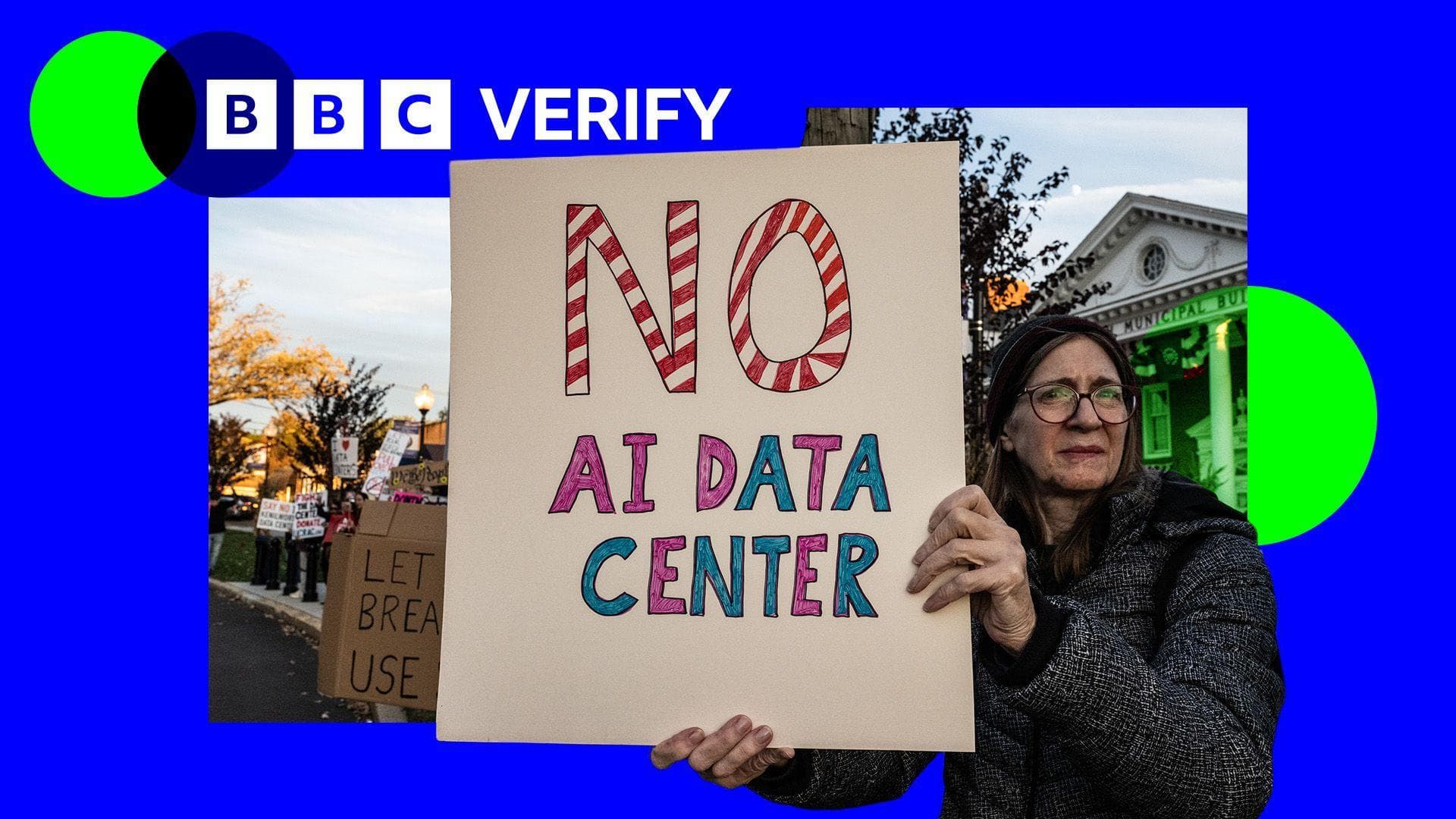
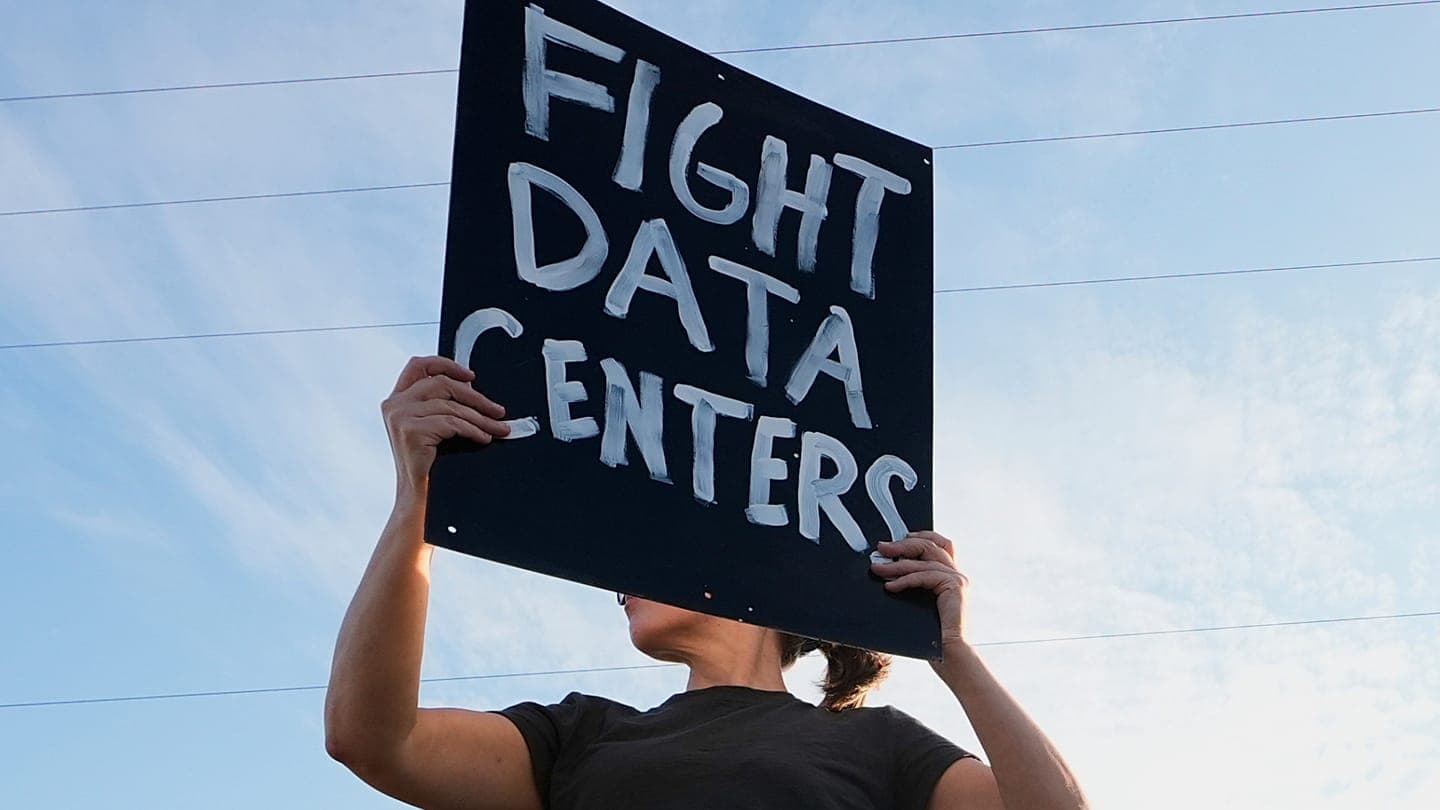
This week's US midterm elections became, according to Euronews, in part a vote against the data center boom: Democrats won control of Congress and key governorships in Texas, Georgia and Ohio, promising restrictions on the construction of AI infrastructure. Senator Bernie Sanders called for a 'national moratorium on data centers,' writing that Americans do not want 'Big Tech oligarchs destroying the environment.' Investors responded with a sell-off: tech stocks fell noticeably over the week.
Who lost what, and how much
Chipmakers were hit hardest: Nvidia shares fell 9%, and its founder and CEO Jensen Huang dropped from 9th to 13th place on the Bloomberg billionaires index. Shares of Taiwan's TSMC, which manufactures most of the chips for Nvidia, Apple, AMD and Qualcomm, fell 10%, Dutch ASML — the world's only maker of EUV lithography machines — fell 6%, and Germany's Infineon fell 8%. Meta shares lost about 4% on Thursday, November 5; Elon Musk's SpaceX fell almost 4%, Tesla 2%. Musk, who spent $474 million supporting Republican candidates, wrote on X after the election that 'data centers in space are looking pretty attractive right now'; his cluster 'Colossus' is being built in Memphis.
Companies change their rhetoric
OpenAI has launched a 'charm campaign': the company published a policy paper proposing to give communities a 'meaningful voice' in the construction of computing campuses, along with a 'compact' of commitments to future neighbors. Since September it has been calling its data centers 'computer campuses.' OpenAI promised to cover electricity costs and grid upgrades in affected areas, as well as to disclose construction plans, noise studies and water consumption data. What exactly these commitments mean is unclear; nor is it clear how they will apply to infrastructure owned by partners such as Oracle.
What's next
Meta President Dina Powell McCormick said at a Wall Street Journal conference that the election results will make building data centers more difficult: 'The visible manifestation of AI is a data center, and people can say: an expert previously told Euronews Next, projects already under construction or approved will most likely continue, even if companies start paying more attention to marketing and paying energy bills. Republicans now have to decide whether to stick with Trump's line — he previously called talk of AI risks a 'hoax', saying that AI needs only a 'STRONG AND SMART (high-IQ!) PRESIDENT' — or to negotiate with Democrats on AI safety policy.