The key facts
- Sheikh Abdullah bin Zayed stressed the need for de-escalation and diplomacy in his call with Araghchi on November 6
- Iran reported fires on several tankers in the Strait of Hormuz; there is little independent confirmation
- Earlier, the UAE said it did not want a new round of conflict but was braced for the worst
A call amid rising tensions
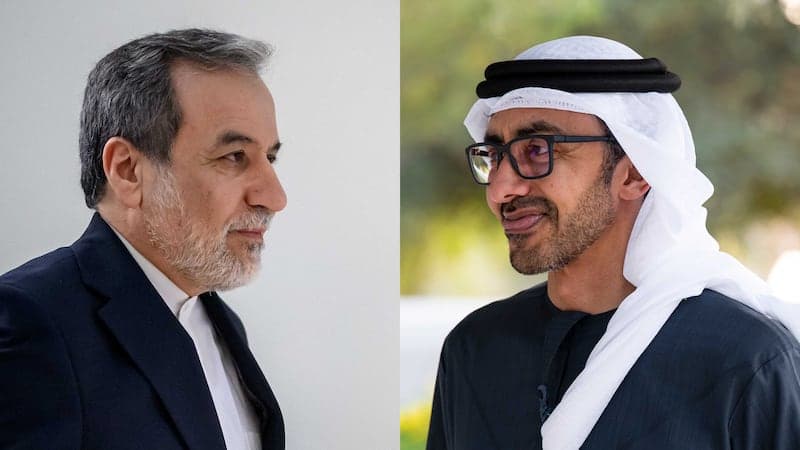
UAE Deputy Prime Minister and Foreign Minister Sheikh Abdullah bin Zayed, in a phone call with his Iranian counterpart Abbas Araghchi, stressed the importance of de-escalation and the need to advance diplomatic efforts for security and stability in the region. The interlocutors discussed the 'general situation in the region,' the state agency Wam reported on Thursday evening, November 5. The call came amid growing concern over a possible resumption of the conflict between the United States and Tehran, The National writes.
Incidents in the Strait of Hormuz
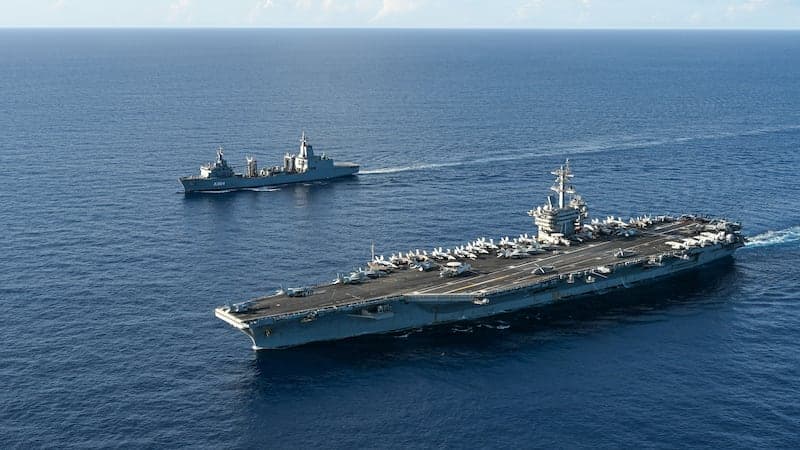
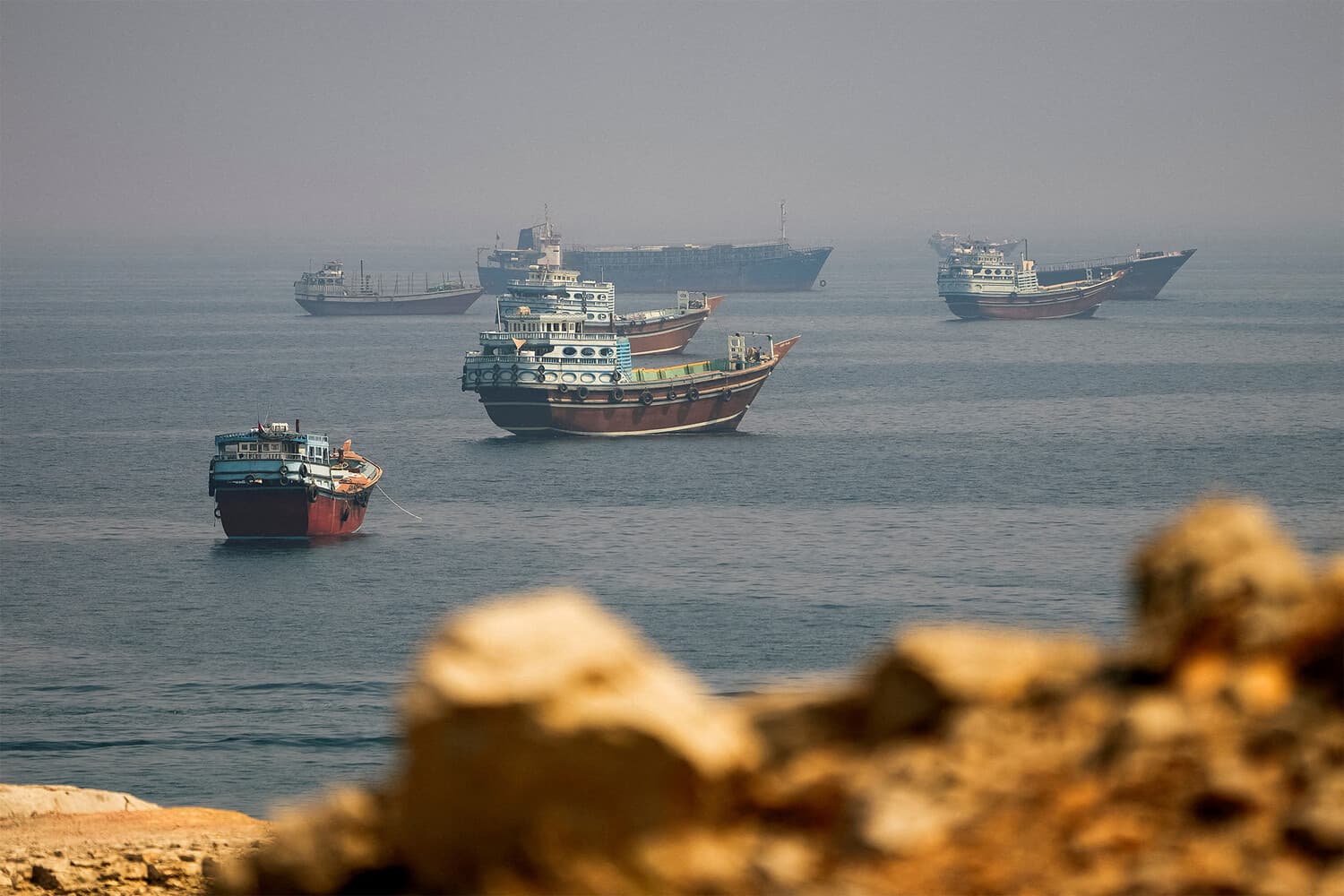
According to The National, on Thursday Iran said that at least three tankers caught fire in the Strait of Hormuz: according to the Iranian navy, the vessels struck sea mines while moving through 'prohibited zones' — Tehran's term for the route bypassing its preferred passage. The Islamic Revolutionary Guard Corps reported two more tankers that caught fire overnight the day before. These claims are nearly impossible to verify: the British UK Maritime Trade Operations reported only one tanker hit by two objects north of Qatar late on Wednesday evening; the vessel is reportedly the Velos Sapphire. Before the call with Sheikh Abdullah, Araghchi also held phone talks with counterparts from Turkey and Kuwait — Hakan Fidan and Sheikh Jarrah Jaber Al Ahmad Al Sabah.
The UAE's position and the ceasefire context
The Emirates' position was previously laid out by Dr Anwar Gargash, diplomatic adviser to President Sheikh Mohamed: speaking on Sunday at the IISS Manama Dialogue in Bahrain, he said the UAE does not want a new round of military confrontation but is braced for the worst scenario, and that the Gulf states are counting on a breakthrough through mediation efforts — a new escalation between Washington and Tehran would serve the interests neither of the region nor of Iran itself. Behind these statements lies concrete experience: according to figures cited by The National, the UAE became the country most targeted in the conflict — more than 550 ballistic missiles and 2,265 drones were fired at it, most of which were intercepted or destroyed before reaching their targets. The ceasefire began in June, when the US and Iran signed a memorandum of understanding intended to pave the way to a final peace settlement; however, Donald Trump declared the ceasefire and memorandum 'over' in early July after new Iranian attacks on vessels in the Strait of Hormuz and retaliatory American strikes. According to the outlet, in recent weeks both sides have signalled that they are preparing for a resumption of hostilities — and this is what gives the call its weight: it became part of a series of Araghchi's contacts with regional partners in an attempt to keep the situation from sliding into a new war.