The key facts
- Mottaki: 3–7 ships are disabled daily by mines, drones, and missiles; IRGC aims to reduce unauthorized transit to zero within 10 days
- Tehran allows passage for ships from China, India, Iraq, and Qatar while blocking vessels from US-aligned nations
- Results of US midterm elections have intensified disagreements within the Trump administration regarding war
What Mottaki Stated
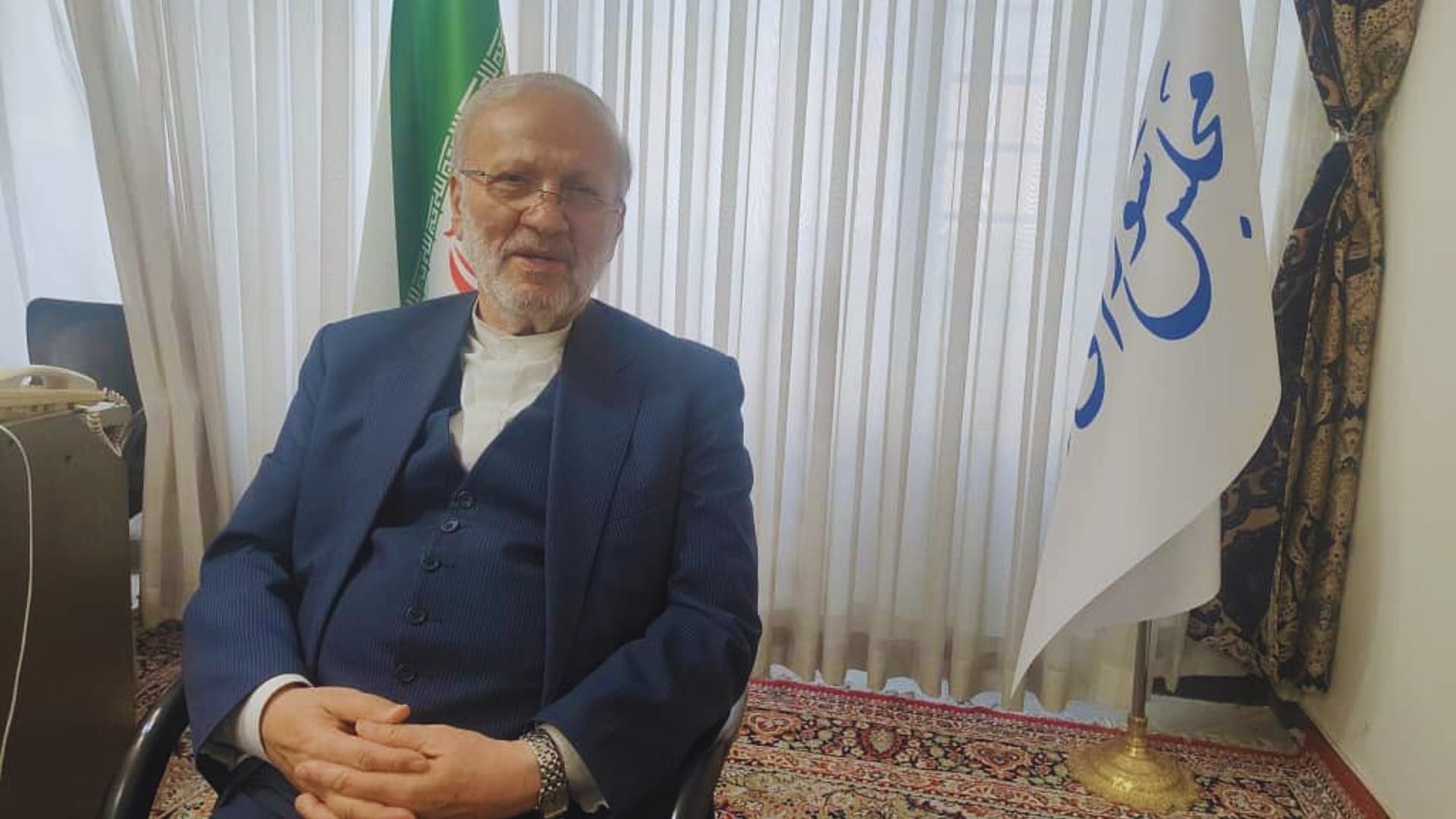
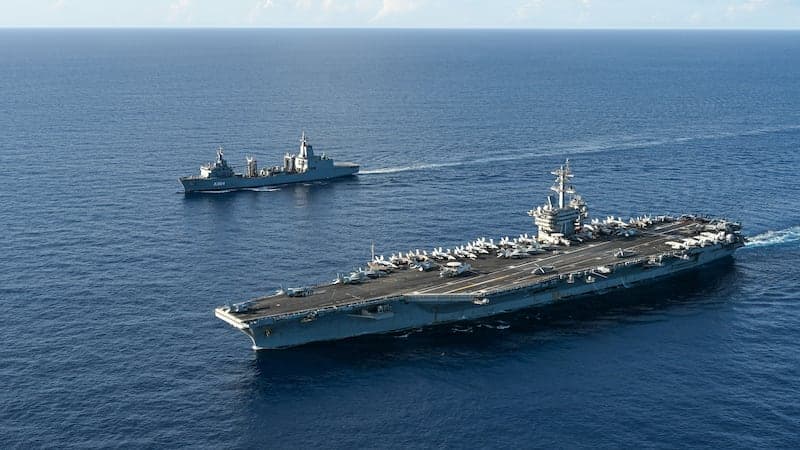
Manouchehr Mottaki, former Foreign Minister of Iran under Mahmoud Ahmadinejad and currently a member of parliament, in an exclusive interview with Euronews warned that in the event of a new escalation of hostilities against Iran, the conflict would also spread to Europe. At the same time, he identified the closure of the Strait of Hormuz as the root of the regional crisis and stated that the current situation is 'unstable': 'The immediate obstacle to resolving this is the blockade, which the Americans are conducting illegally, in violation of international law.'
Situation in the Strait
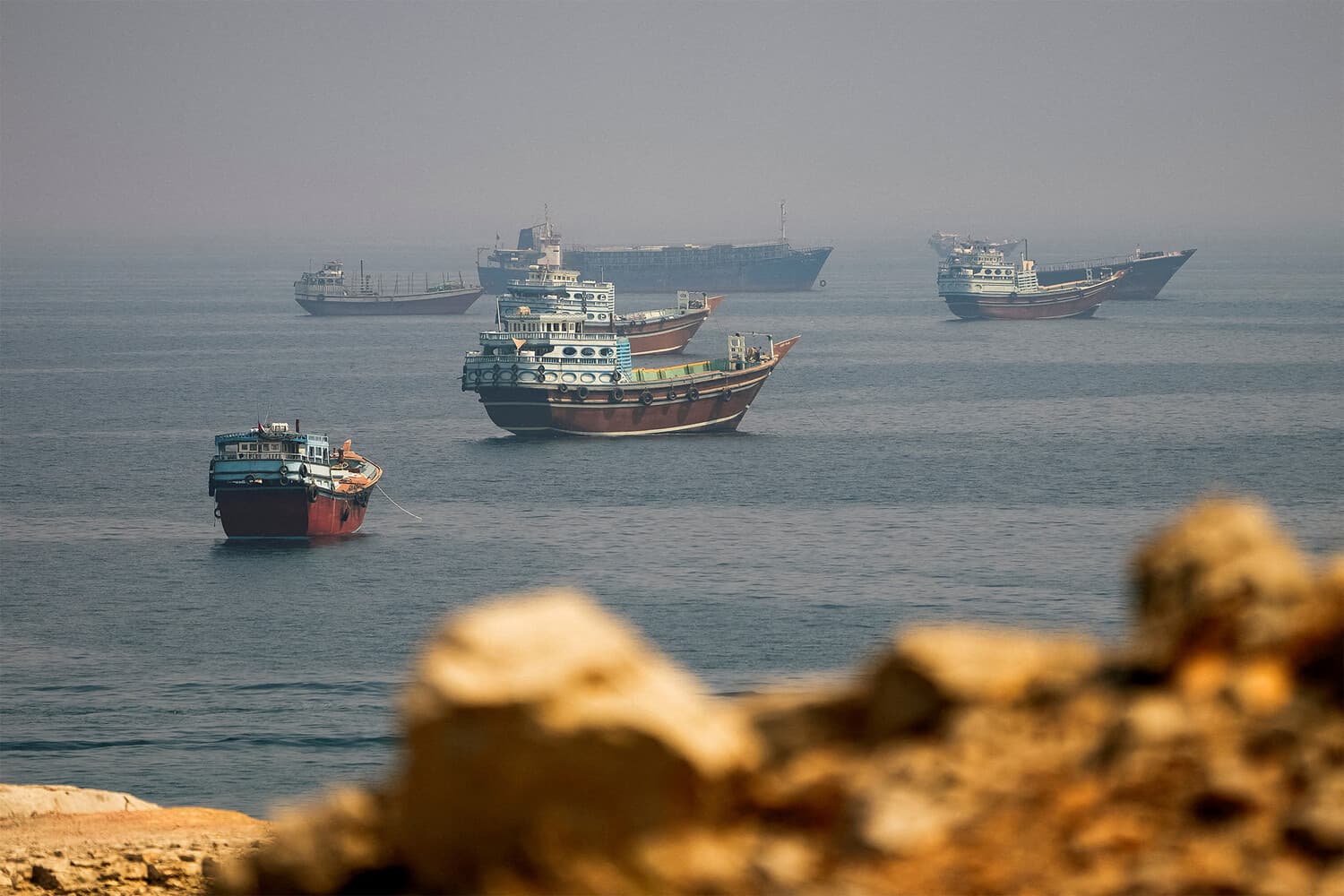
According to Mottaki, over the past 10 days, the IRGC fleet has been working to reduce unauthorized transit through the strait to zero, with 'three, four, five, or even seven ships' being disabled or stranded at sea daily due to mines, drones, and missiles. Meanwhile, Tehran has imposed its own blockade: ships from China, India, Iraq, and Qatar are allowed to pass freely, whereas vessels from countries Iran considers allies of the United States are either blocked or targeted. Before the war, the strait was open, facilitating maritime trade for Europe, Asia, Latin America, and Africa; the narrow passage between Iran and Oman is the only maritime exit from the Persian Gulf, through which approximately one-fifth of the world's oil production passes.
Tehran's Conditions and the Context of US Elections
Mottaki recalled that Tehran expects Washington to fulfill the signed memorandum of understanding, which includes the lifting of the blockade, and described the removal of the maritime blockade as a precondition for resuming negotiations. Earlier, Mohsen Rezaei, Secretary of the Supreme National Security Council, stated that movement through the strait would resume only after the fulfillment of Tehran's seven conditions, including a complete cessation of hostilities, the cancellation of economic sanctions, the unfreezing of Iranian assets abroad, and the halt of the broader war in the Middle East. In response to a letter from US Vice President JD Vance, Rezaei stated that Washington's proposals were unconvincing.
Political Context in the US and Contacts with Russia
The interview emerged against the backdrop of the US midterm congressional elections: on November 5, Donald Trump held his first meeting with national security advisors after the vote and told journalists that he would soon decide on further actions. According to US media reports, a major joint operation with Israel remains under consideration. In a lengthy statement, Vance directly linked the Republicans' heavy defeat to the war against Iran; Trump acknowledged the war's contribution to the defeat but stated he would make the same decision again, not ruling out further use of force. Iranian Parliament Speaker Mohammad Ghalibaf addressed Vance in a social media post: 'Your boss is preparing the next stage of the war, while America is on the brink of falling into the Israeli inferno.' Meanwhile, Rezaei traveled to Russia for a meeting with Vladimir Putin and, according to media reports close to the IRGC, is carrying a message from Ayatollah Mojtaba Khamenei; the main topic of the negotiations is how to end the war.