The key facts
- USS Theodore Roosevelt is heading to the Arabian Sea, where it is expected to arrive at the end of next week
- After the midterm elections, the US will have three carrier groups in the region — up to 144 strike fighters
- Experts differ: some see a sign of preparation for strikes on Iran, others a routine carrier replacement
The aircraft carrier is heading to the region
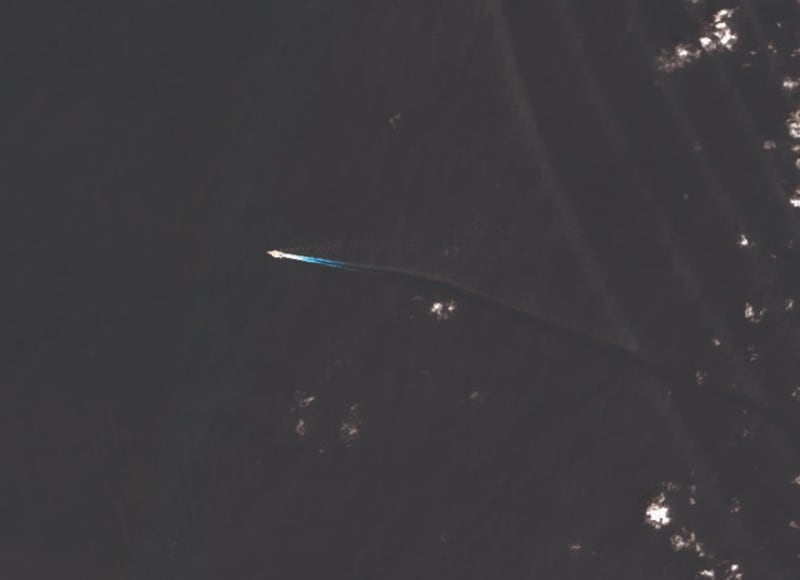
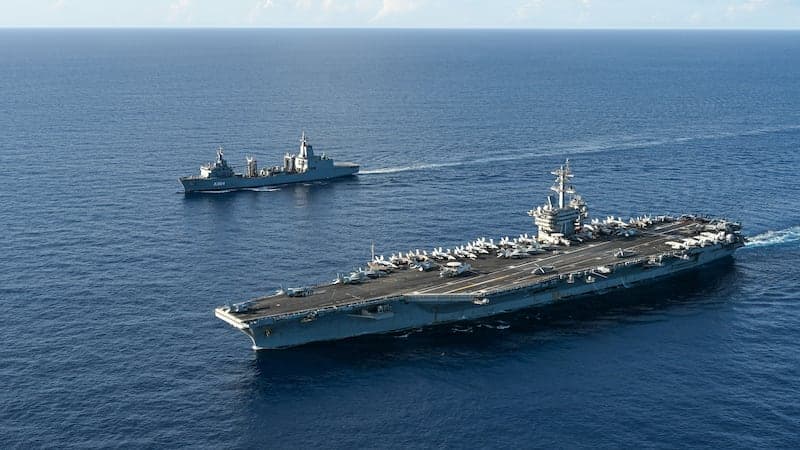
The aircraft carrier USS Theodore Roosevelt has left the South China Sea and is heading toward the Strait of Malacca; according to satellite data, it was spotted moving west on November 4 and is expected to reach the Arabian Sea at the end of next week. Experts interviewed by The National describe the movement as a possible 'key indicator' of a renewed war with Iran. Its arrival will give President Donald Trump three carrier groups in the region — now that the US midterm elections are over.
What is known about the group
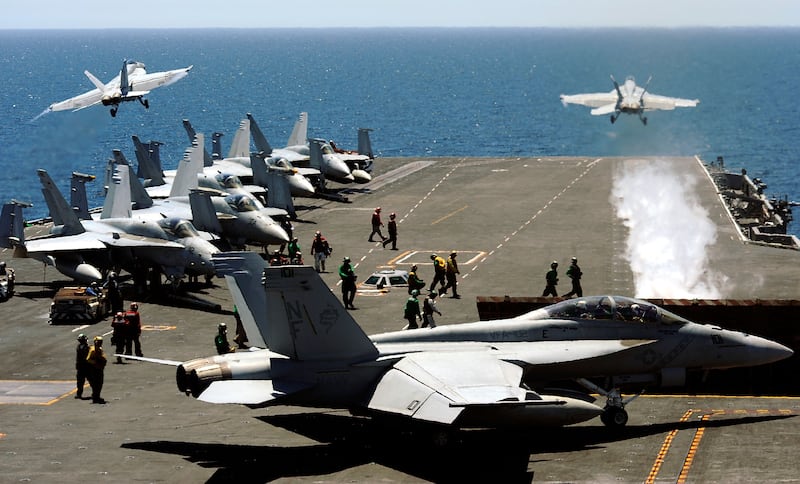
The Theodore Roosevelt group includes the guided-missile cruiser USS Chosin, two destroyers and a nuclear submarine, all equipped with Tomahawk cruise missiles. For the first time, the unmanned surface vessel Seahawk is being deployed — 137 feet long with a displacement of 145 tons, designed for months of remote operation. The three carriers — together with the USS George Washington and USS George HW Bush already in the region — will give the US up to 144 F-18 and F-35 strike fighters.
Diverging assessments
Megan Sutcliffe, a senior analyst at the intelligence firm Sibylline, believes that concentrating three carriers in one region happens only before major combat operations, and views the movement as a 'key escalation trigger'. Former US Marine Jonathan Hackett, by contrast, warns of the risk of strategic miscalculation by Iran: if Tehran mistakes a routine carrier rotation for a signal of escalation, it could set off an 'escalation spiral' that would otherwise not exist. Military analyst Lynette Nusbacher also allows that the Roosevelt may simply be replacing one of the two carriers already there, and does not see it as a sign of imminent combat use — although she rates the probability of a US attack on Iran 'with or without Israel' in the coming weeks as high. Former Royal Navy commander Tom Sharpe links the movement to forecasts of escalation in November, after the midterm elections.
Political context and options
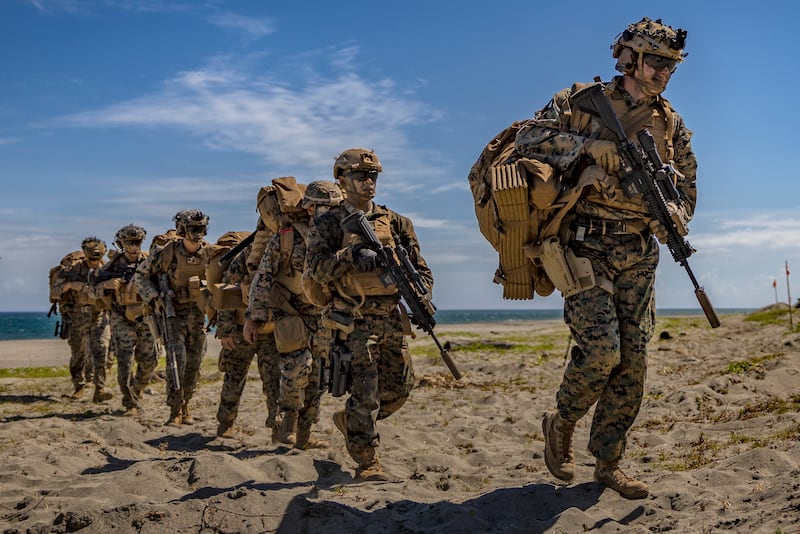
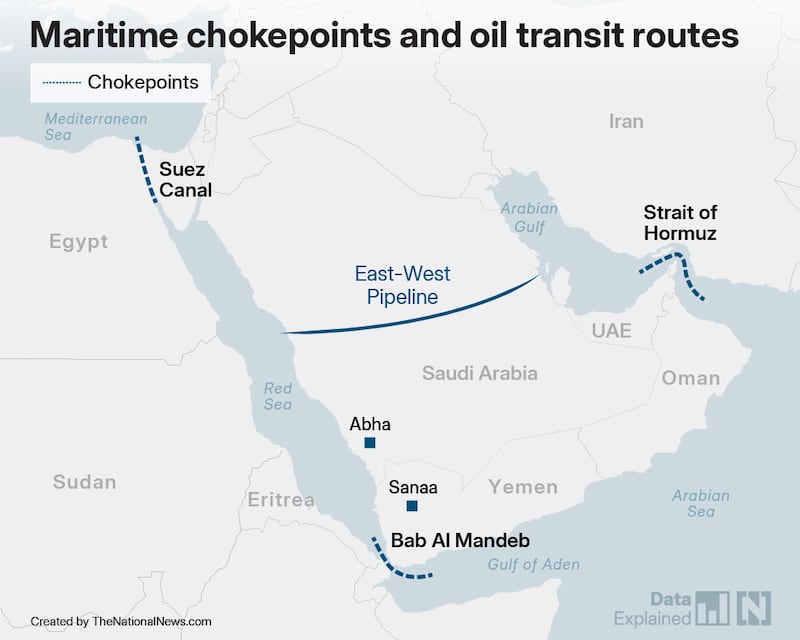
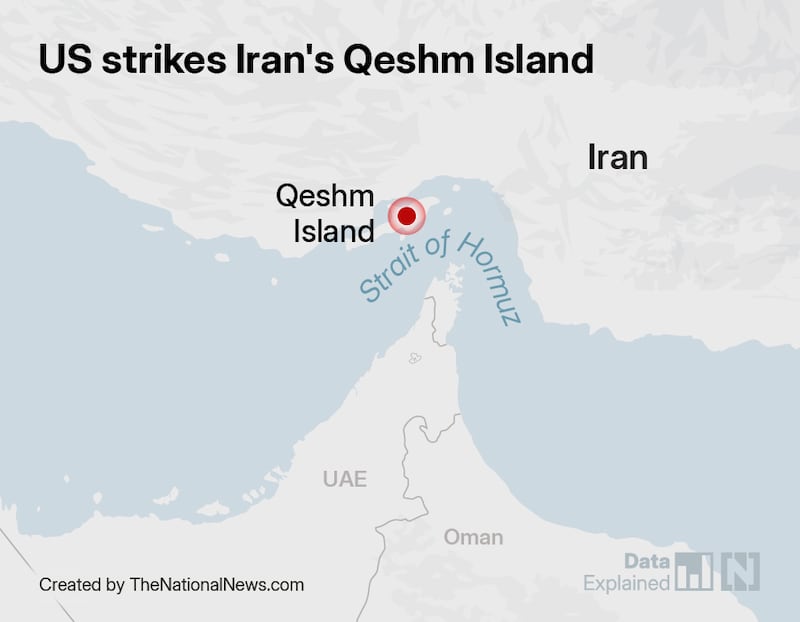
According to The National's sources, Trump may use the two months before the formation of a new, Democrat-controlled Congress in January to force Iran into a nuclear deal and the full opening of the Strait of Hormuz. War Secretary Pete Hegseth, after the Republicans' poor midterm results, called the war with Iran a 'courageous and historic effort' and vowed to keep fighting. Among the options under consideration is a Marine landing (a 2,200-strong expeditionary unit) on one of the small islands at the entrance to the Strait of Hormuz as a show of force; Hackett calls such an option 'extremely wasteful and risky'. Since the memorandum signed with Iran in June, American commanders have, according to the outlet, acted with extreme caution, depleting their stock of cruise missiles and losing 45 Reaper drones and at least one unmanned vessel. The outlet also reports covert suppression of Iranian air defences in recent weeks and notes that escalation would be accompanied by additional signs — the arrival of bombers and refuelling aircraft in Europe or Gulf countries.