The key facts
- Trump, after a meeting with national security advisers, said: “You will find out soon enough”
- Iran transmitted a nuclear proposal to the US via Qatar, conditioning negotiations on seven demands
- Araghchi held calls with the foreign ministers of the UAE, Qatar, Saudi Arabia, Turkey and Pakistan
Trump promises a decision on Iran soon
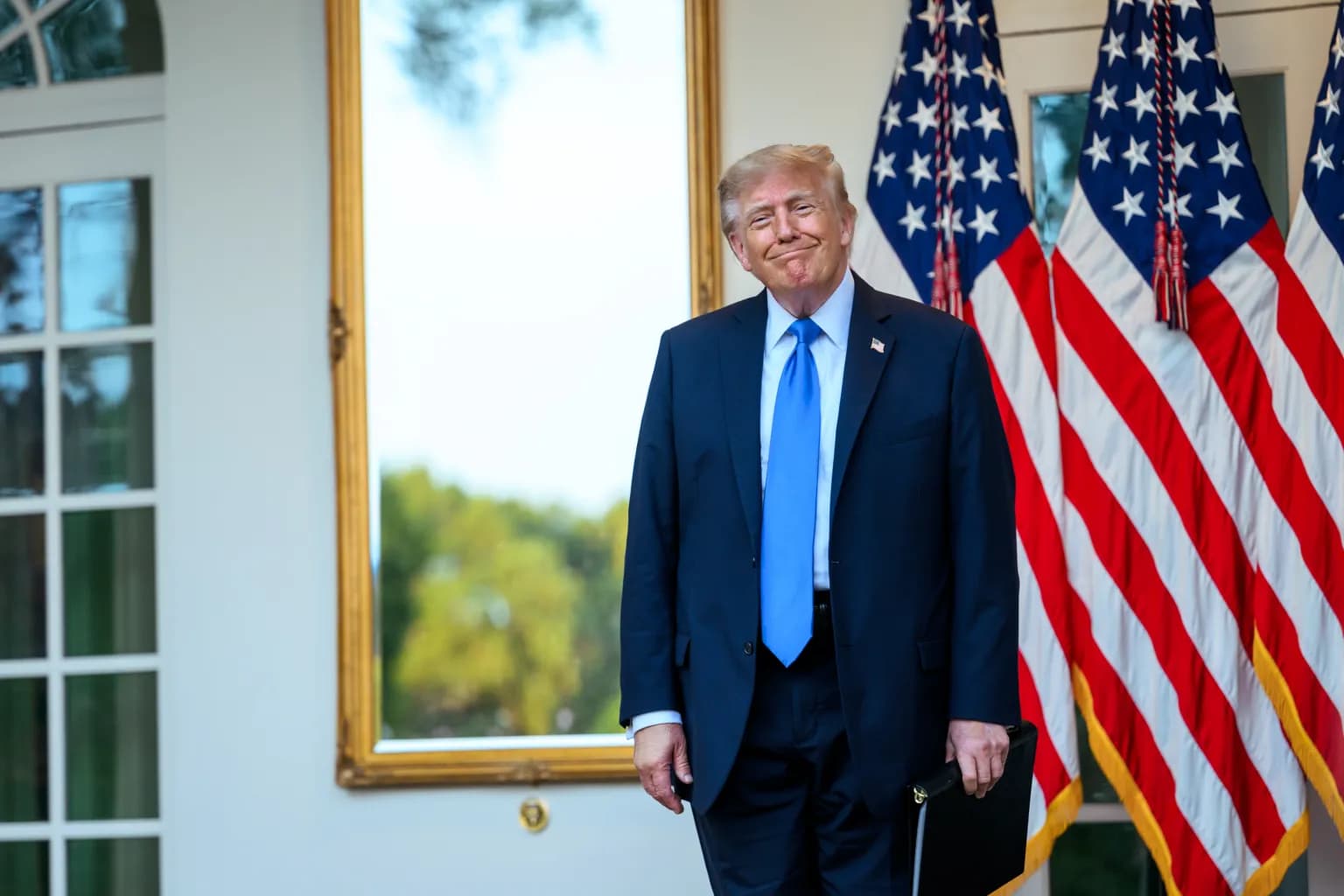
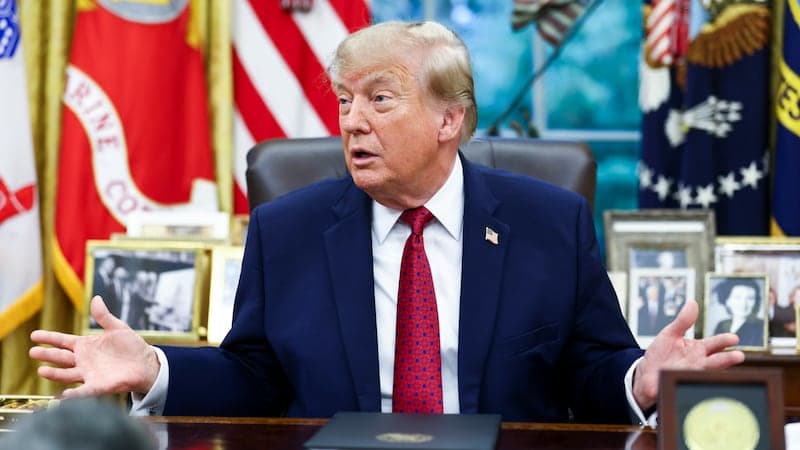
US President Donald Trump said he would decide in the near future whether to resume the war with Iran or seek an agreement, after a meeting with national security advisers. “We will now make a decision. Do we want to go further? I would prefer not to destroy what remains of the country if possible, but perhaps I will have to. You will find out soon enough,” he told journalists in the Oval Office on Thursday, as reported by The National.
The elections changed the balance
The region feared that US military operations against Iran would resume before Tuesday's midterm elections. However, the Republicans' losses and the recognition that the consequences of the conflict were behind the Democrats' surge opened up, according to the outlet's assessment, space for de-escalation and mediation. Vice President JD Vance said in a lengthy post on X that Republican voters had voted for Democrats out of dissatisfaction with the conflict, the cost of living and US support for Israel. Iran is using Trump's failure as proof that his military policy is backfiring, interpreting the Republicans' losses as a public rejection of the war.
Options and military preparations
According to the outlet, Trump has several options: continue economic pressure on Iran, resume strikes, or strike a deal with the Tehran regime, which may be encouraged by the election results. Axios, citing two American officials, reported that this was the first meeting with advisers since the elections, held as part of the weekly intelligence briefing. Fox News reported that the meetings took place at the White House on Wednesday and Thursday, while US Central Command completes preparations for a potential operation. No order to resume military action has been given, but officials are considering next steps. Meanwhile, Iran is signaling that it is preparing for new attacks, rather than expecting that the US elections will lead to a diplomatic breakthrough.
Diplomacy and Tehran's seven conditions
In parallel, mediation efforts continue: on Thursday, Iranian Foreign Minister Abbas Araghchi held separate telephone conversations with the foreign ministers of the UAE, Qatar, Saudi Arabia, Turkey and Pakistan. Qatari mediators also discussed a draft proposal with the White House and Tehran: according to Reuters, which the outlet cites, Iran transmitted a nuclear proposal to the US via Qatar, which will be discussed only if Washington fulfills Tehran's seven demands. A senior Iranian official said the US is reviewing the document but gave no details. Among the conditions, according to the outlet, are the lifting of American sanctions, the unfreezing of Iranian assets and war reparations; Washington, for its part, insists that the nuclear issue must be part of any initial negotiations.
Iranian-Russian contact
Senior Iranian security official Mohsen Rezaei, who has become a key figure in the negotiations, said during a visit to Russia on Thursday: “On the question of diplomacy, we have announced seven conditions to the Americans. Until they fulfill our seven conditions, we will open neither the Strait of Hormuz nor negotiations.” He met with Vladimir Putin in the Kremlin, conveyed a message to him from Iran's Supreme Leader Ayatollah Mojtaba Khamenei, and said the Russian leader was ready to help end the war.