The key facts
- The Labour government has already cut maximum discounts and now plans to remove the right to buy from tenants of new social homes — the relevant bill is going through parliament.
- According to government calculations, the restrictions will turn a projected net loss of 26,000 council homes over a decade into a net gain of 18,000.
- Since 1980, more than two million homes have been sold under the scheme — about 40% of England's entire council housing stock; 41% of sold homes are now let on the private rental market.
- Since 1980, more than two million homes have been sold under the scheme — about 40% of England's entire council housing stock; 41% of the homes sold are now let out on the private rental market.
The scheme that created millions of homeowners is being seriously curtailed for the first time
The Right to Buy scheme, introduced by Margaret Thatcher's government in 1980, gave council housing tenants in England the right to buy their homes at a discount. Over more than 40 years, more than two million homes have been sold through it — according to figures cited by BBC, that is about 40% of England's entire council housing stock, with most sales occurring in the scheme's early years. Now the Labour government, which came to power in 2024, is steadily narrowing the programme: first it sharply cut the maximum discount, and in September Prime Minister Keir Starmer announced at the party conference that the right to buy would be removed from tenants of new homes — 'without taking it away from anyone who already lives in their home.' Mayor of Greater Manchester Andy Burnham, who presented the measure to delegates, promised it would keep council homes in public ownership 'for generations to come'; he had previously compared trying to solve the housing crisis while continuing to sell social housing to 'filling a bath with the plug out.' The relevant provisions are contained in a bill currently going through parliament.
What changes in practice, and for whom
The government expects the restrictions to reverse a long-running trend: before the Labour-imposed limits, England, by its calculations, faced a net loss of 26,000 council homes over the coming decade; now a net gain of 18,000 homes is expected over the same period. Little changes for current tenants — the right to buy existing homes remains. Those affected are primarily future social housing tenants: newly built homes will no longer leave the public stock. The political divide is nonetheless clear: the Conservatives and Reform UK say they would keep the scheme or even expand it. The experience of Scotland, which abolished Right to Buy in 2016, and Wales (2019) shows, in Professor Rebecca Tunstall's view, that the effects of such measures do not appear immediately — 'there is no huge difference yet.'
Who won: from a 'property-owning democracy' to heirs
For those who managed to buy their homes, the scheme brought enormous capital gains. Barbara Stevens, 80, bought a two-bedroom council flat in Kentish Town in north London for roughly £35,000; today, by her own estimate, it is worth £600,000–700,000. The BBC author, who grew up in a council flat in north London, cites the example of a neighbour: a flat bought in 1989 for £21,200 with an £18,800 discount was sold eight years later for £54,500, and five years after that for £143,000 — with the greatest gains going not to the first tenants but to subsequent buyers. Lord Heseltine, the minister who launched the scheme alongside Thatcher, calls it 'the biggest transfer of capital from the state to ordinary people' and to this day would not have designed it differently. A study co-authored by Matteo Sandi, professor of economics at the University of Milan, found that children who grew up in areas with the highest uptake of the scheme had better educational and economic outcomes — higher GCSE results, a greater chance of going to university, and higher earnings in adulthood. Sandi himself, however, puts it cautiously: 'Right to Buy was a good policy with a big flaw — more social housing should have been built.'
Criticism: 'the taxpayer pays twice'
Critics believe the flaw of the scheme lies precisely in the failure to replace the homes sold. Heseltine admits that councils were expected to use the proceeds for new construction, but after he left the government this did not happen. According to research by the New Economics Foundation, 41% of homes sold under Right to Buy are now let out on the private rental market; the foundation's Molly Harris calls private landlords the 'real winners' and points out that the state 'pays twice' — first through the discount at sale, and then through housing benefits when the same home is rented out: from 2021 to 2025, by her calculations, more than £58 billion went to subsidising private landlords through the benefits system. The example of the London borough of Newham is telling: almost half of the 9,000 council homes sold there later ended up in private rentals, the council has the largest council housing waiting list in the country, and, according to The Big Issue, last year it lost more than £20 million buying back homes sold just a few years earlier. The scale of the shortage is also visible in the figures: the average wait for a flat for a family in London is 27 years, and councils in England spend £8 million a day on temporary accommodation for families.
What the reform will not solve
Even supporters of restricting the scheme admit that it is not the only reason for the shortage of social housing. Tunstall also points to councils' demolition programmes for housing estates, which destroyed thousands of homes from the 1990s onwards, and to decades of underbuilding: if the state had continued building at 1980s rates, she believes, the sale of council homes might not have resulted in a net loss of stock. An institutional problem is added: many councils transferred their housing to housing associations and lost the skills to build themselves. Yet there is one point of rare agreement in the debate, which the BBC author also notes: the problem lay not so much in selling the homes as in the failure to replace them with new ones. It is precisely this — ending the loss of new homes from the public stock — that the forthcoming ban is aimed at, and its consequences, as the experience of Scotland and Wales shows, will not become apparent immediately.
 Image source, Getty Images

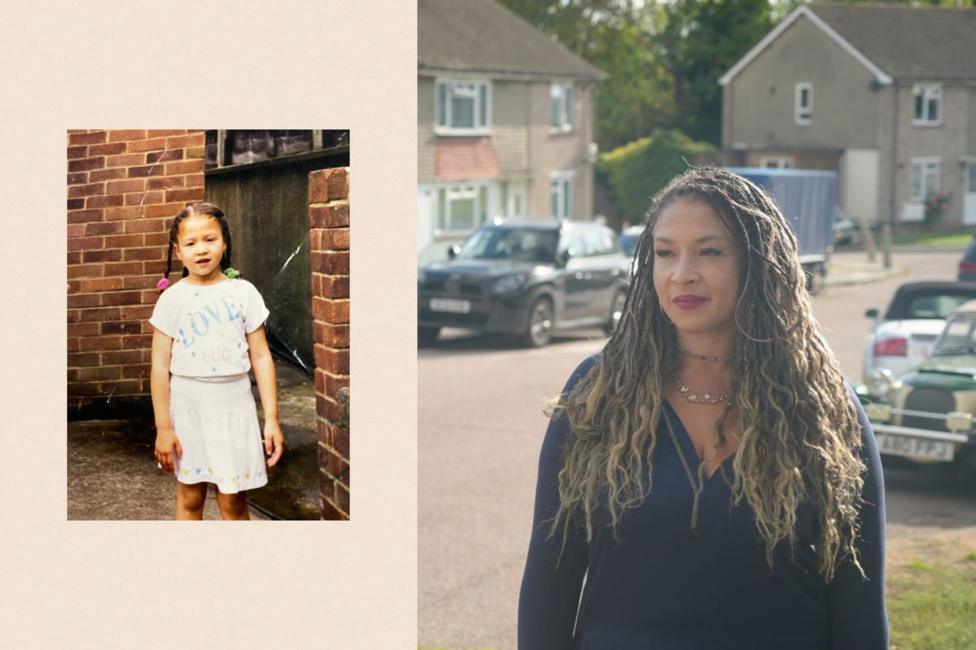 Image source, Tarah Welsh
The writer grew up in a council flat in north London - and recently returned there, 25 years later
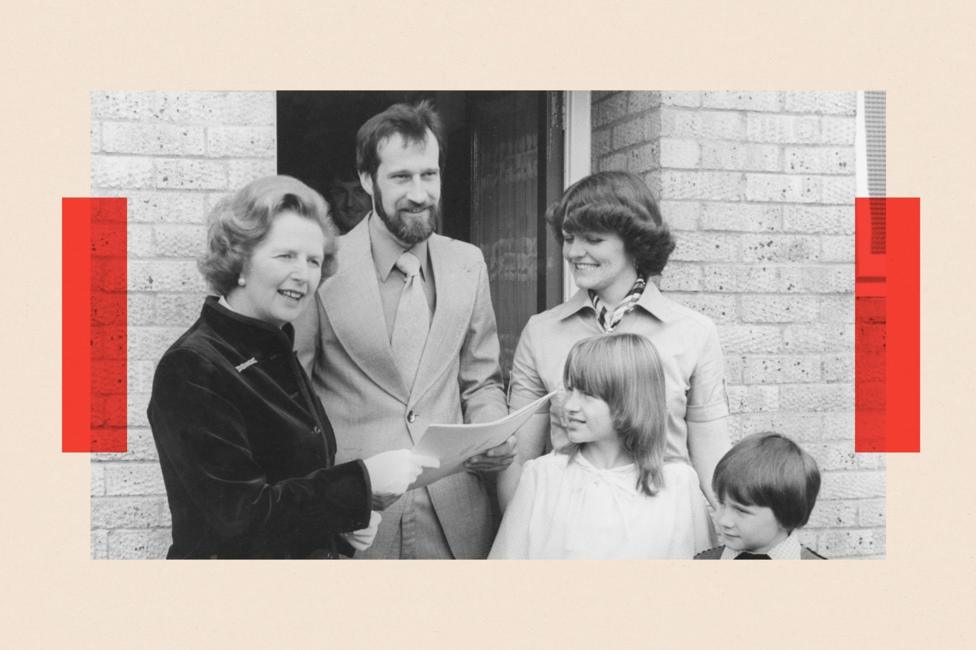 Image source, Getty
Margaret Thatcher launched Right to Buy a year after becoming prime minister, and spoke of her vision of a 'property-owning democracy'
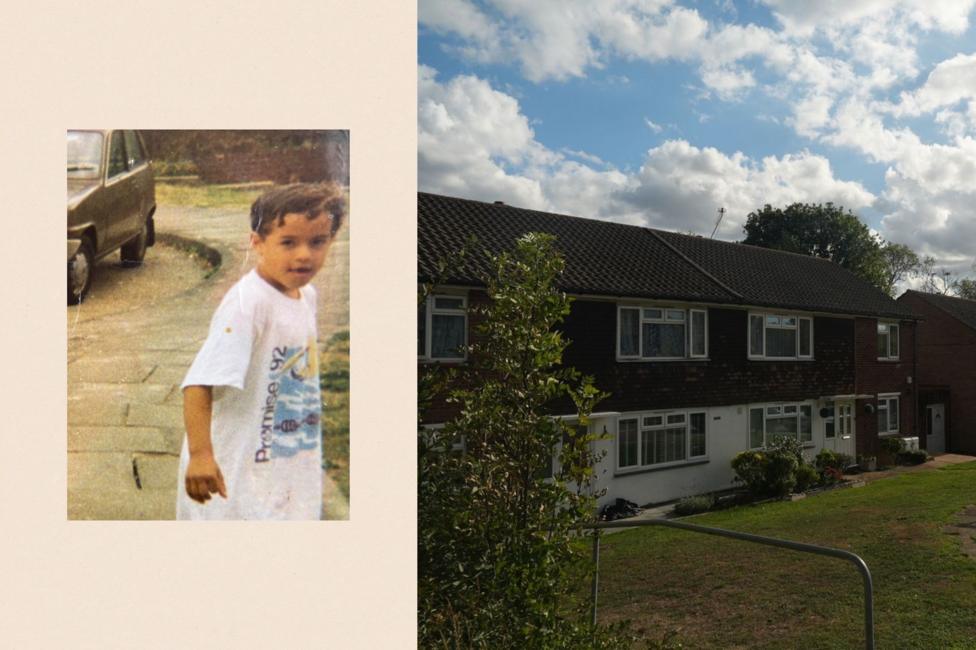 Image source, Tarah Welsh
Along with her brother (left) and other siblings, the writer says she enjoyed security in her family's rented council flat (right)
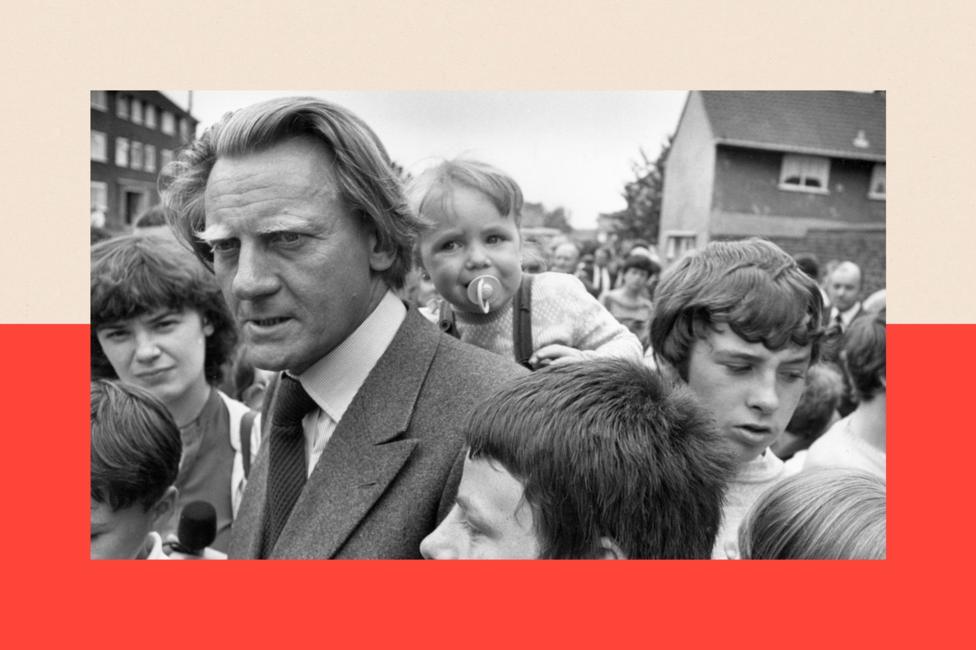 Image source, Getty
Lord Heseltine, pictured here on a visit to Liverpool in 1981, says Right to Buy 'spread ownership across the country'
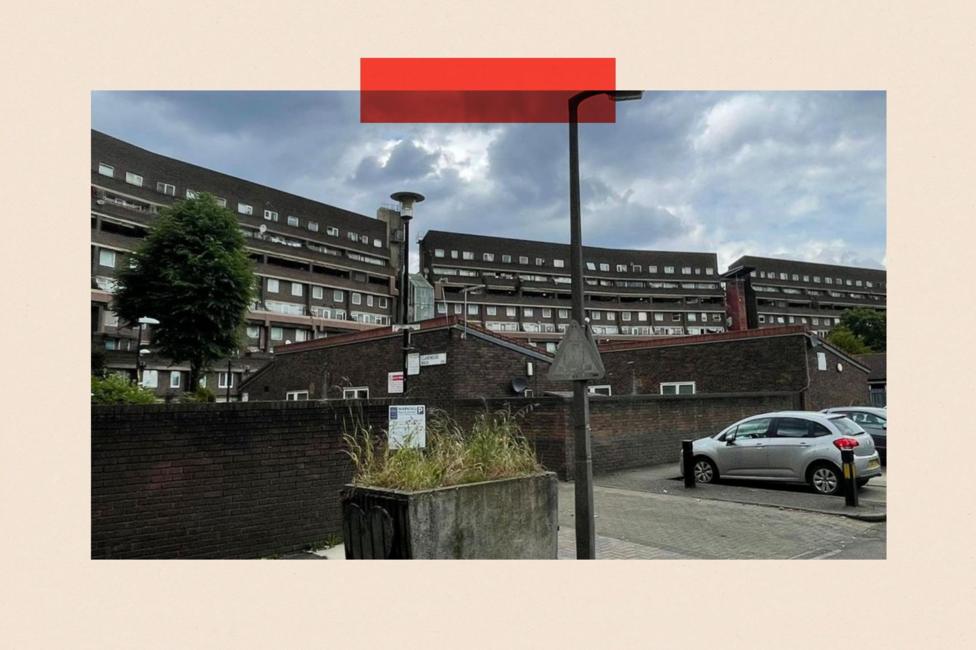
Lots of former council estates have been partly privatised as a result of Right to Buy