The key facts
- 55 explosive items were defused in the Canal San Bovo area in Trentino in the last week of the season
- In total, more than 250 explosive items were defused in the mountains of the region over the season
- The finds are linked to accelerated glacier melting after the hot summer of 2026
Glaciers reveal the 'White War'
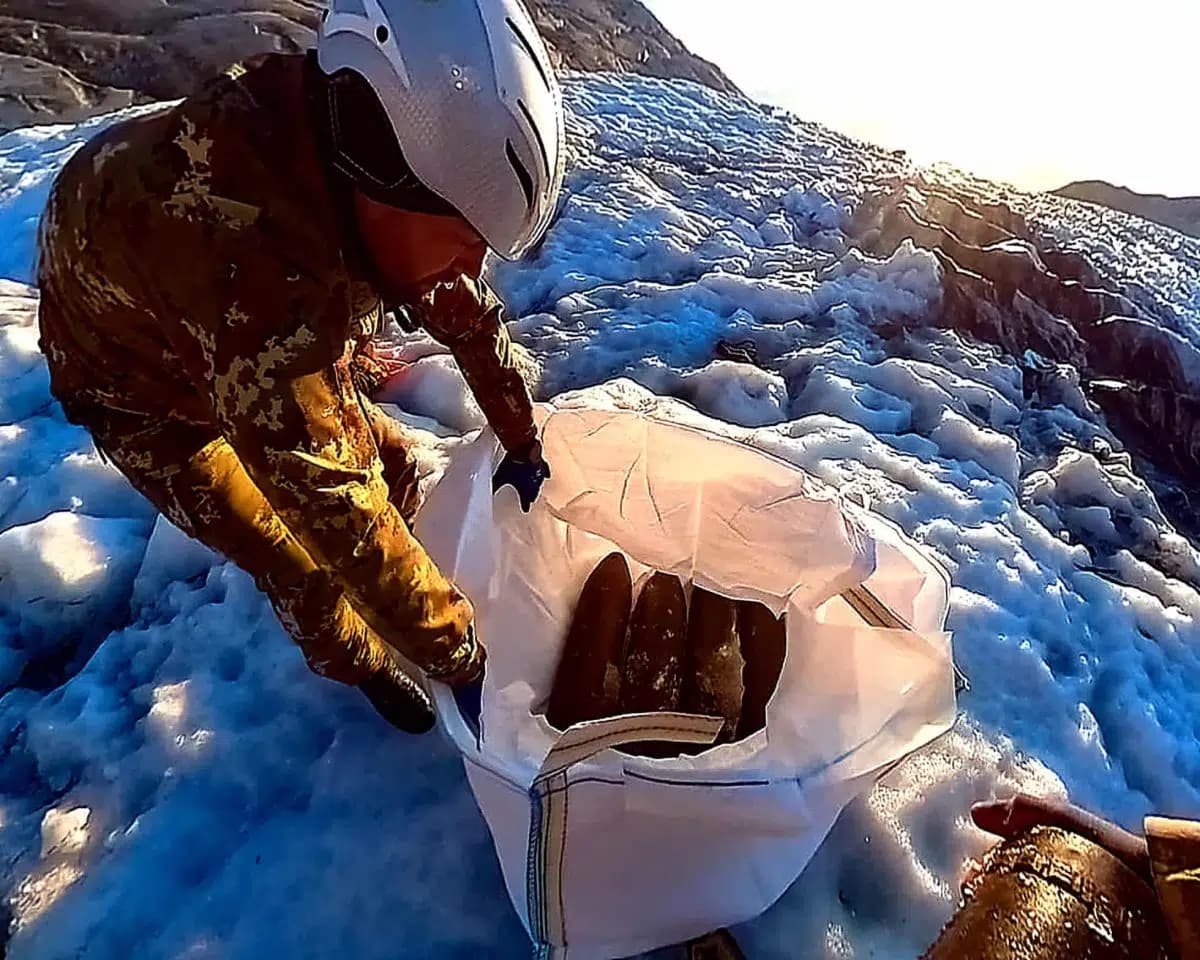
The intense heat of the summer of 2026 accelerated the melting of glaciers in the Alps, and shells emerged from beneath the ice that had concealed military munitions for more than a century. Some of them were spotted by tourists hiking in the mountains; reports of discoveries came, in particular, from the Canal San Bovo area in the Primiero valley in the east of the province of Trentino. This is reported by Kun.uz.
What was found and who defused it
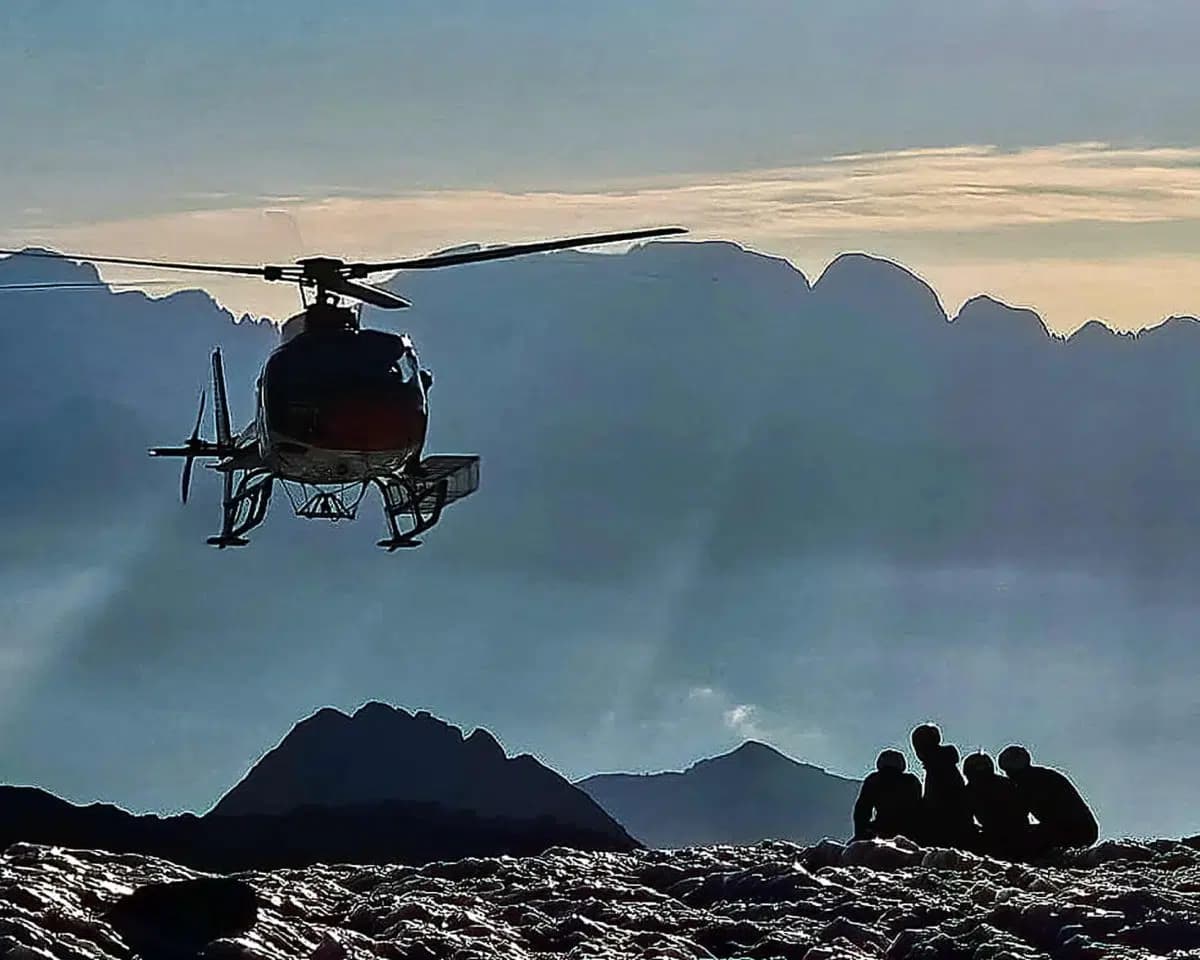
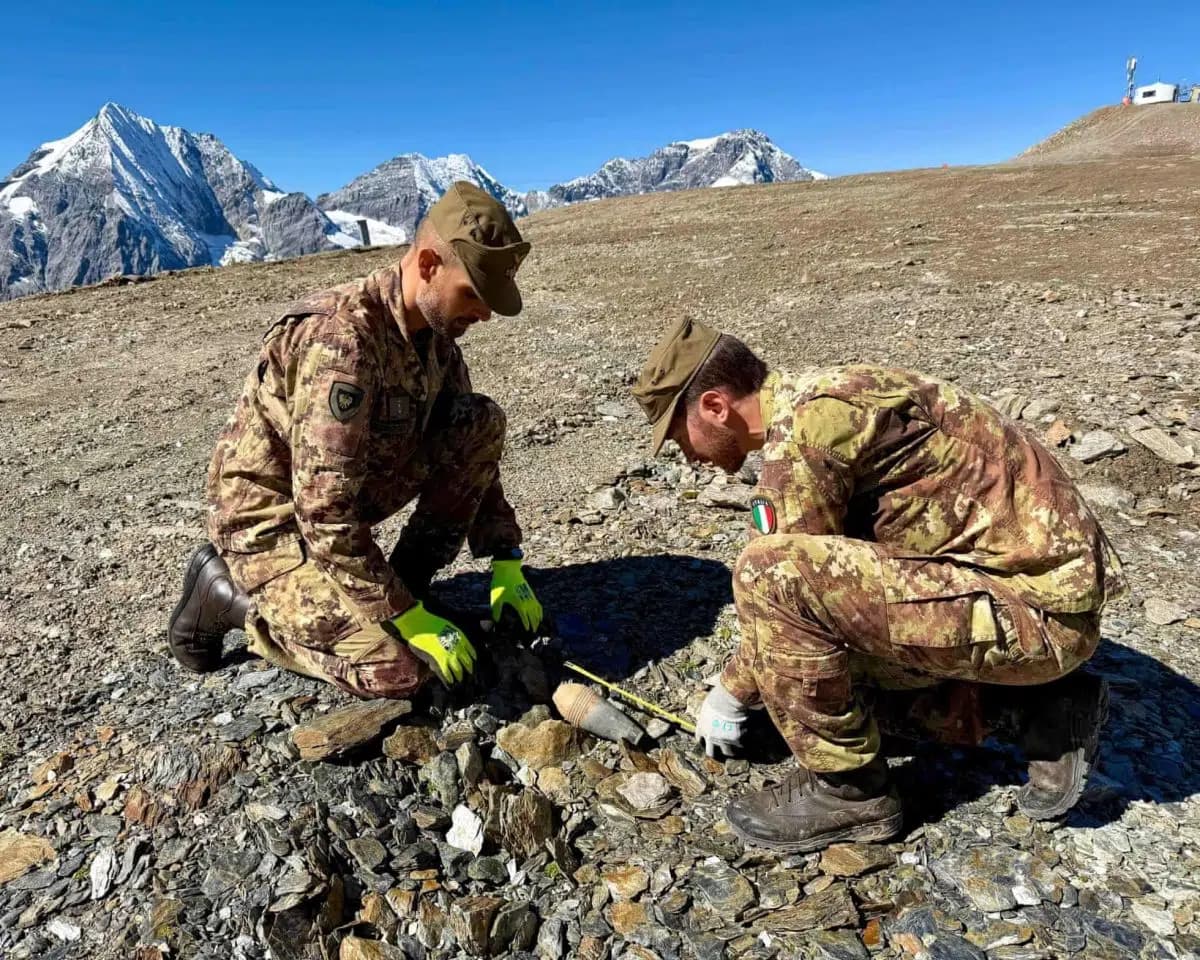
The finds date back to the period of the 'White War' — the name given to the fighting between Austro-Hungarian and Italian troops in the Alps in 1915–1918. According to the Italian army, the removal and defusing of the munitions was carried out by sappers of the Julia Alpine Brigade; they surveyed Canal San Bovo and other high-mountain areas of the region. The seasonal work ended on 16 October: in the last week alone, 55 explosive items were defused in the Canal San Bovo area — 18 Italian-made 75 mm artillery shells and 37 Thevetot mortar rounds of French manufacture, which the Italian Royal Army also used during that period. Over the entire season, a total of more than 250 explosive items were removed from various mountain areas of the region and defused.
Why the finds are dangerous and what this changes
Although the war ended more than a century ago, some of the munitions that lay under the ice still pose a risk of explosion, which is why specially trained military personnel were brought in to defuse them. This is not the first time that melting glaciers have exposed items from the 'White War': experts link such finds to global warming and the retreat of the glaciers. The military reminded people that anyone who encounters a suspicious munition in the mountains should not touch it or move it from its place — the discovery should be reported to the local law enforcement authorities. For tourists and residents of mountain areas, this means that shells emerging at the surface are not an archaeological curiosity but an active danger that should be reported rather than investigated on one's own.