The key facts
- Iraq proposed a committee of regional foreign ministers to visit Tehran and Washington
- Iran presented a plan for resuming talks with the US: a timetable, the Strait of Hormuz, and agreements reached in Pakistan
- The conflict, which began on February 28 with US and Israeli strikes, continues to be complicated by disagreements over sanctions and the security of the strait
Iraqi initiative and Iranian plan
On Friday, Iraq proposed forming a committee of foreign ministers from regional countries that would visit Tehran and Washington to seek peaceful solutions to the current disputes. The initiative was voiced during a phone call between Iraqi Foreign Minister Fuad Hussein and his Iranian counterpart Abbas Araghchi, the Iraqi Foreign Ministry reported (citing Anadolu).
What the Iranian proposal includes
During the same call, Araghchi outlined Tehran's vision for preparations to resume talks with Washington — a variant previously presented before the US midterm elections. According to the Iraqi Foreign Ministry, the plan includes setting a timetable for the start of negotiations, reopening the Strait of Hormuz, and revising provisions of previous agreements reached with Pakistan's mediation, as well as additional clauses concerning Iran's nuclear program. Hussein thanked Araghchi for presenting the proposal and discussed the outcomes of the US midterm elections and their possible consequences for the region.
Warning of escalation and conflict context
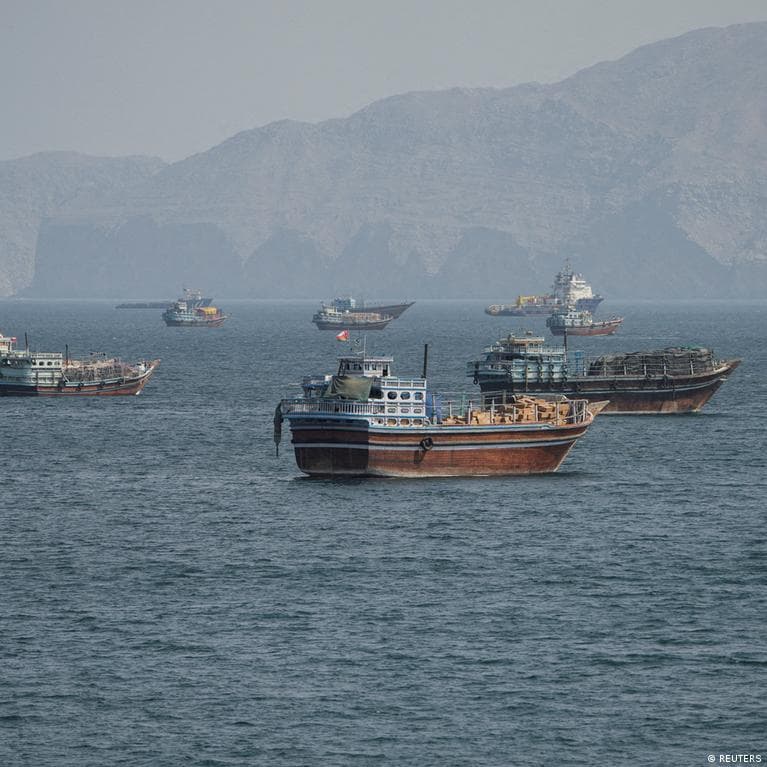
The Iraqi minister warned that tensions in the region are rising amid lingering concerns about a possible resumption of hostilities, and stressed the need for practical measures to contain escalation. According to the ministry, both ministers emphasized the importance of continued communication and coordination between regional countries, especially neighboring ones. The diplomatic efforts are unfolding against the backdrop of a conflict that began on February 28, when the United States and Israel launched military strikes on Iran, which were met with Iranian retaliatory strikes. In April, Washington and Tehran reached agreements in talks mediated by Pakistan, but disagreements over sanctions relief, maritime security in the Strait of Hormuz, and regional security arrangements continue to complicate the achievement of a lasting settlement. The strait, a key route for global energy supplies, remains a central issue in the negotiations: Iran is seeking a greater role in managing shipping through these waters.