The key facts
- Schools in Iran remain open, and the Education Ministry urges people to ignore 'rumors,' but private schools are sending parents instructions in case of war
- On November 2, Iranian state TV aired recommendations for the event of a nuclear strike; many fear a strike on the 'Pickaxe Mountain' bunker near Natanz
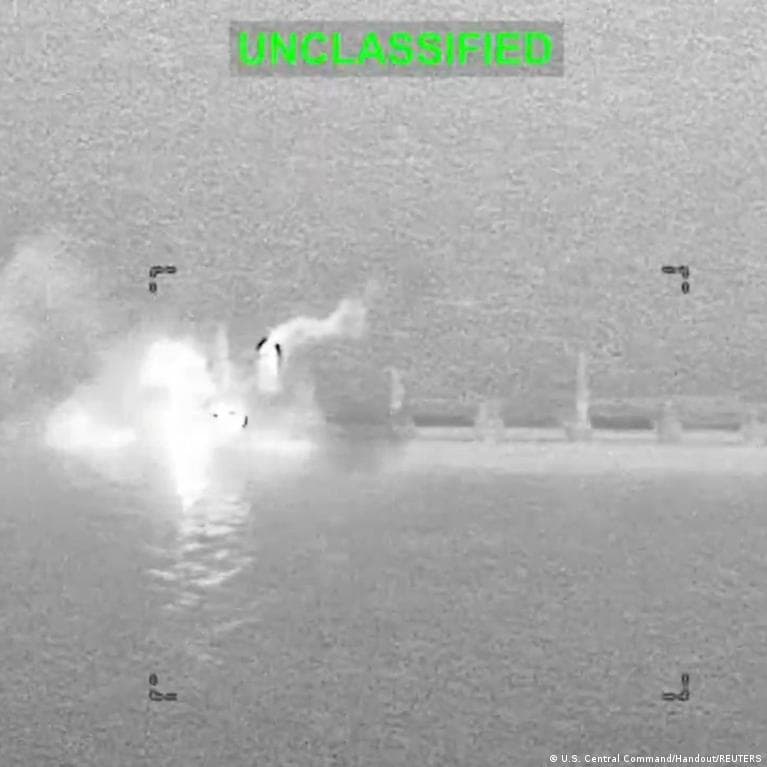
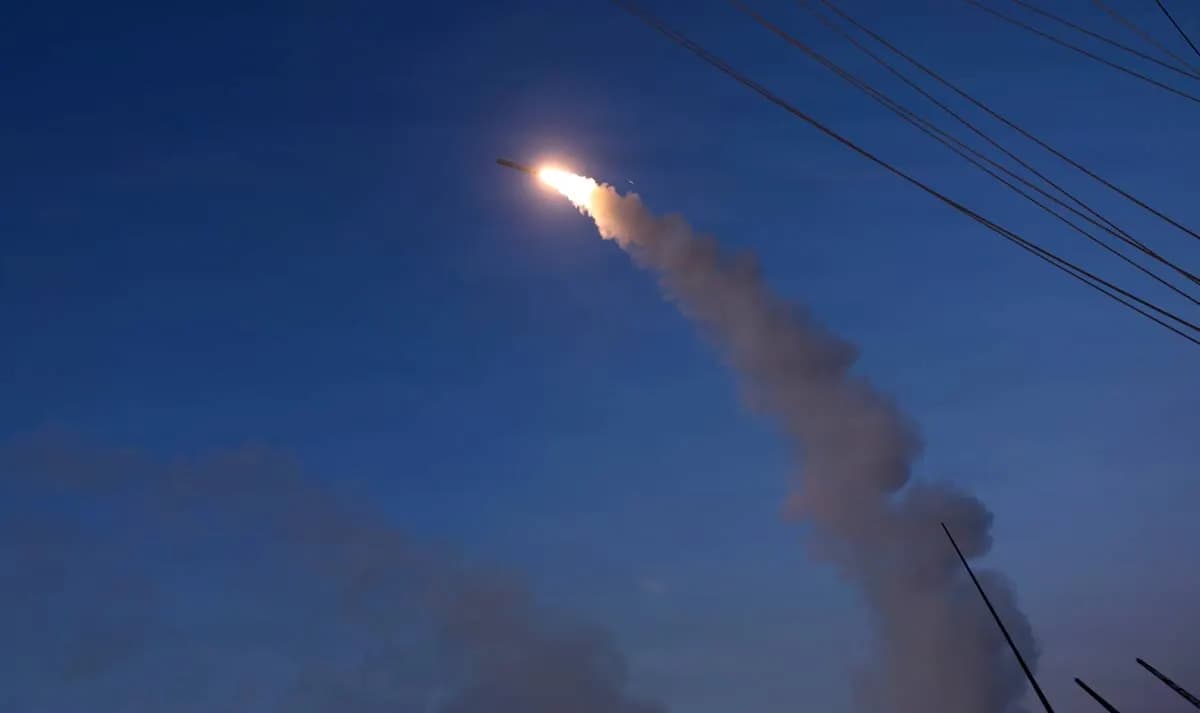
- On November 5, Axios reported that the US was in final preparation for a possible resumption of large-scale strikes; Trump has about two months before the new Congress takes office
The fear that never went away
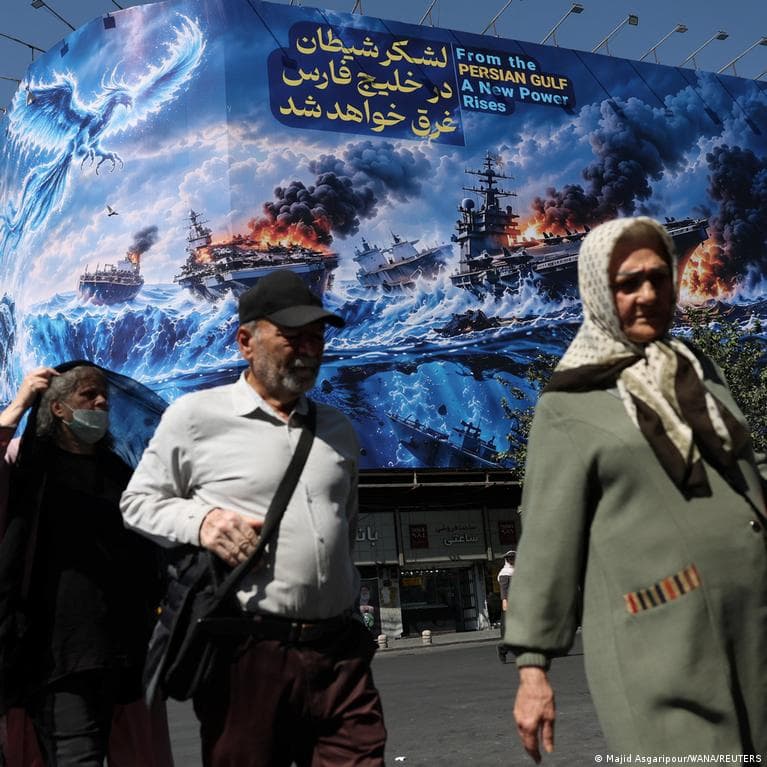
Life in Iran proceeds under a constant sense of threat, even though the fighting between the US and Iran has largely died down in recent months. “There is a constant feeling of fear in the air. Every loud sound makes me flinch — I even mistake a door slamming for a bomb falling,” a 37-year-old Tehran resident told DW. Unlike the first months of the war, her children are going to school again, although, in her words, keeping them at home in a small apartment is no solution either.
Schools are open, but wartime instructions have already been sent out
Schools across Iran continue to operate amid the military standoff with the US and Israel. At the same time, Deutsche Welle reports, some private schools sent parents messages with instructions in case the war resumes or another emergency occurs; parents posted such messages on social media. The Ministry of Education is trying to reassure the population: its spokesman Ali Farhadi urged people “not to pay attention to rumors spread with the aim of sowing fear and forcing schools to close,” stressing that the ministry will decide on opening or closing schools together with the security services, and that if the situation changes, the matter will be reconsidered.
State TV on a nuclear strike and the 'Pickaxe Mountain' bunker
While the Education Ministry spokesman asks people to ignore rumors, the state media themselves are discussing scenarios of a possible nuclear strike: on November 2, Iranian state TV aired recommendations — in the event of a nuclear attack, one should stay in shelter for at least 24 hours. Many in Iran fear that the US is preparing a nuclear strike on the underground 'Pickaxe Mountain' bunker, located roughly 220 km south of Tehran near the nuclear facility at Natanz. Donald Trump has hinted at the possibility of attacking this site, but never explicitly spoke of using nuclear weapons. Iranian authorities deny that any work related to the nuclear program is being carried out in the bunker.
A lull in the fighting and a signal from Axios
The fighting between the US and Iran has largely subsided in recent months because the Trump administration was focused on the midterm elections. But already on November 5, two days after the vote, the American outlet Axios reported that the US military is completing preparations for a possible resumption of large-scale strikes on Iran. At the same time, there are hopes that the new Congress with a Democratic majority will force Trump to curb his military ambitions. Hamidreza Azizi, a consultant at the International Crisis Group, told DW that it is still difficult to assess the impact of the election results on the war: Trump has at least two months before the new Congress takes office, and he may resume the strikes, trying to offset a domestic political failure with a foreign policy success. According to him, the Iranian authorities see the election results as their own victory and will likely take an even tougher stance on key demands.
Talks closed even to their own
Qatari mediators are trying to persuade Tehran and Washington to agree on a draft peace deal in order to prevent a new escalation and, in the coming days, pave the way for the resumption of direct talks. But even well-informed Iranian journalists have almost no information about their content. On October 31, journalist Hadi Mohammadi wrote on X: “Domestic media are completely in the dark about the talks that directly affect people's everyday lives. They have to wait for reports from Axios, Al Arabiya, Al Jazeera and other international outlets. In such an environment, creating one's own narratives and doing journalism is pointless.” Against this 'fog of war,' many Iranians are tired of following the news: a 72-year-old pensioner from western Iran told DW that she now deliberately avoids the news and is glad that her three children have emigrated.