The key facts
- The Category A certificate at the November 4 auction reached a record 139,001 SGD (~$109 thousand), up 5.3% in two weeks
- For the first time, the permit for a low-powered car became more expensive than for a powerful one (132,334 SGD) and more expensive than the universal certificate
- 2,018 bidders competed for 1,189 Category A certificates; the authorities are discussing a COE reform by the first half of 2027
A record at the certificate auction
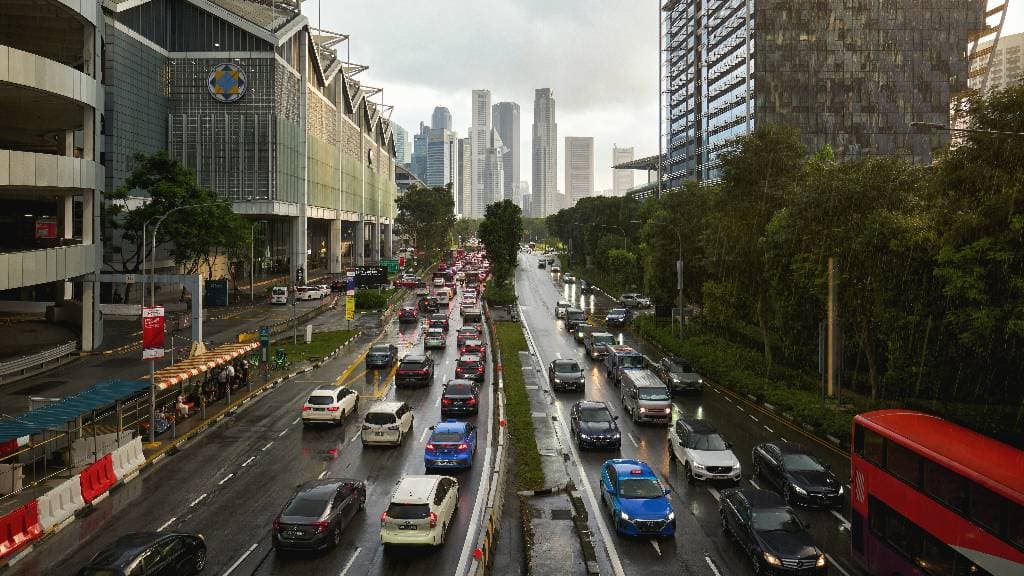
In Singapore, the right to register your own car can now cost more than the car itself. At the auction on November 4, a Category A certificate — for low-powered cars — reached an all-time high of 139,001 Singapore dollars, or nearly 109,000 US dollars, and the purchase of the car itself is not included in that sum. The Straits Times reports on the new record, , citing it, Life.ru writes. Over two weeks, the permit rose in price by almost seven thousand Singapore dollars (5.3%): the previous record of 133,009 dollars had held since September for less than two months.
Low-powered cars have become 'more expensive' than premium ones
The unusual thing about the situation is that owners of small cars now have to pay more for registration than buyers of large and powerful vehicles. A Category B certificate costs 132,334 Singapore dollars — 6,667 dollars cheaper than for compact vehicles. For the first time, the price of a Category A certificate has even exceeded the cost of the universal permit, which suits most types of cars. The reason is a skew in demand: for 1,189 certificates for small cars there were 2,018 bidders, whereas the 959 permits for more powerful cars attracted only 1,163 bids.
How the system works and what the authorities plan
Singapore operates a Certificate of Entitlement (COE) system: the authorities limit the number of cars on the roads, and a motorist must win a certificate at auction in order to register a vehicle and use it for ten years. After that period expires, the permit must be renewed for an additional fee, or the car given up. Singapore's transport authority links the frenzy to high demand for affordable electric cars and the motor show held in October; additionally, buyers are being pushed by the reduction of government incentives for electric cars from January 2027. The authorities are discussing a reform: the two categories may be merged, and the final payment tied to the cost of the vehicle itself. No decision has been made yet; the revision of the rules is expected to be completed in the first half of 2027.
A parallel with the Russian recycling fee
Life.ru draws a comparison with the Russian situation regarding the recycling fee, which, unlike Singapore's auctions, is regulated by the state. According to the calculation cited by the outlet, from January 1, 2027, the recycling fee coefficients for most passenger cars under the full scale will rise by about 10%: for example, for a BMW X5 with a three-liter 340-horsepower engine, the fee will increase from 2.58 million to 2.84 million rubles. At the same time, preferential rates of 3,400 and 5,200 rubles remain for private buyers, provided limits on power, age and other conditions are met. Thus, under completely different mechanisms, in both Singapore and Russia mandatory payments can significantly change the final cost of owning a car even before the first trip.