The key facts
- PPF Group is already investing in Serbia, Moldova and Ukraine and scaling back its presence in Asia, according to Jan Růžička
- Růžička compares the prospects of Moldova and Ukraine with the growth of Poland and Czechia after the 2004 enlargement
- He criticises the slow pace of the European Commission's negotiations and proposes limited single-market access for candidates
The investor explained why the bet on candidate countries has already been placed
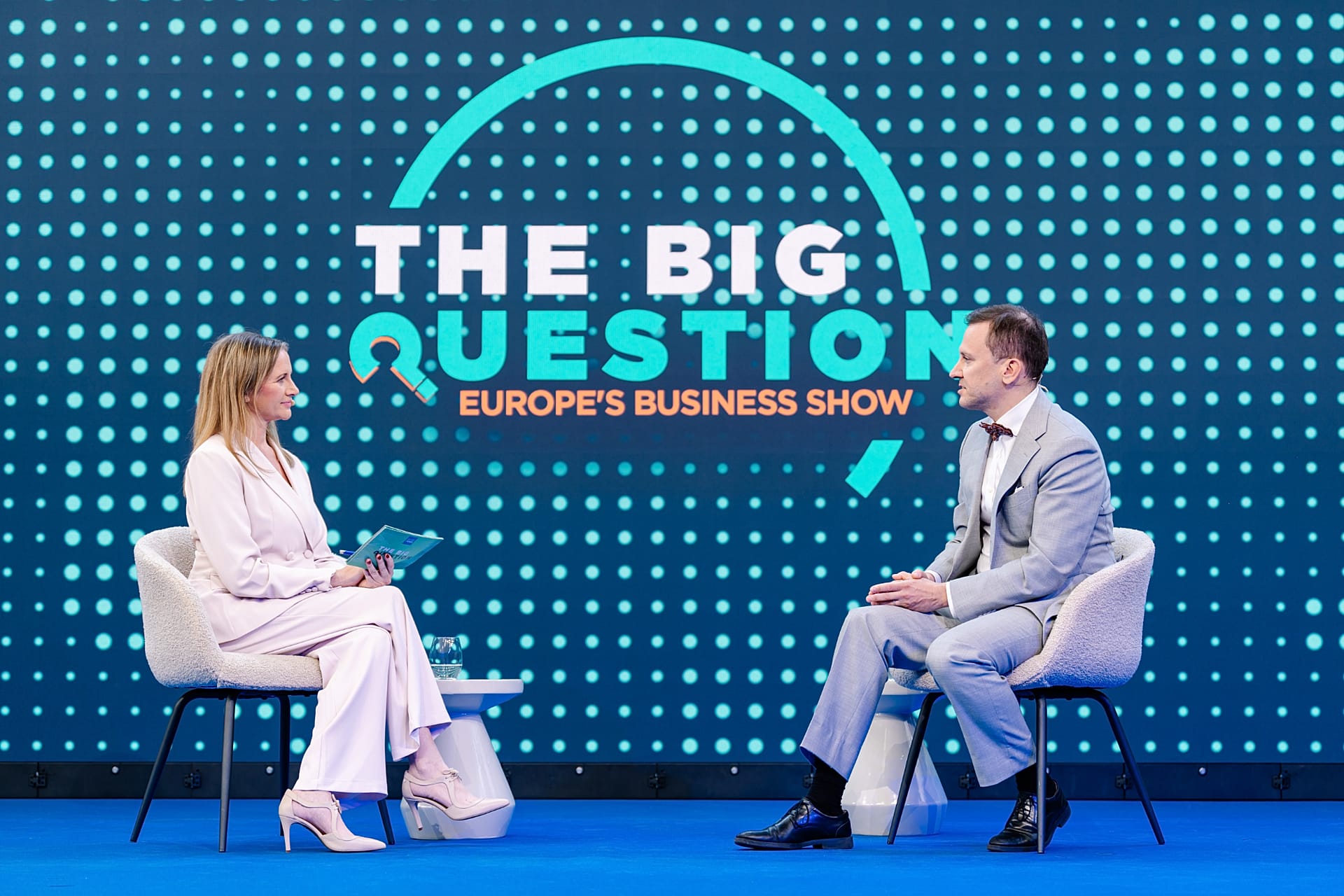
More than 13 years have passed since the last accession to the European Union; the bloc currently has nine official candidate countries, and some of them, such as Albania, expect the negotiations to conclude as early as 2027. Jan Růžička, Chief External Affairs Officer at the Czech private investment group PPF Group, discussed what enlargement means for the economy and for investors in an episode of Euronews' The Big Question.
The argument from past experience: a repeat of the 2004 scenario
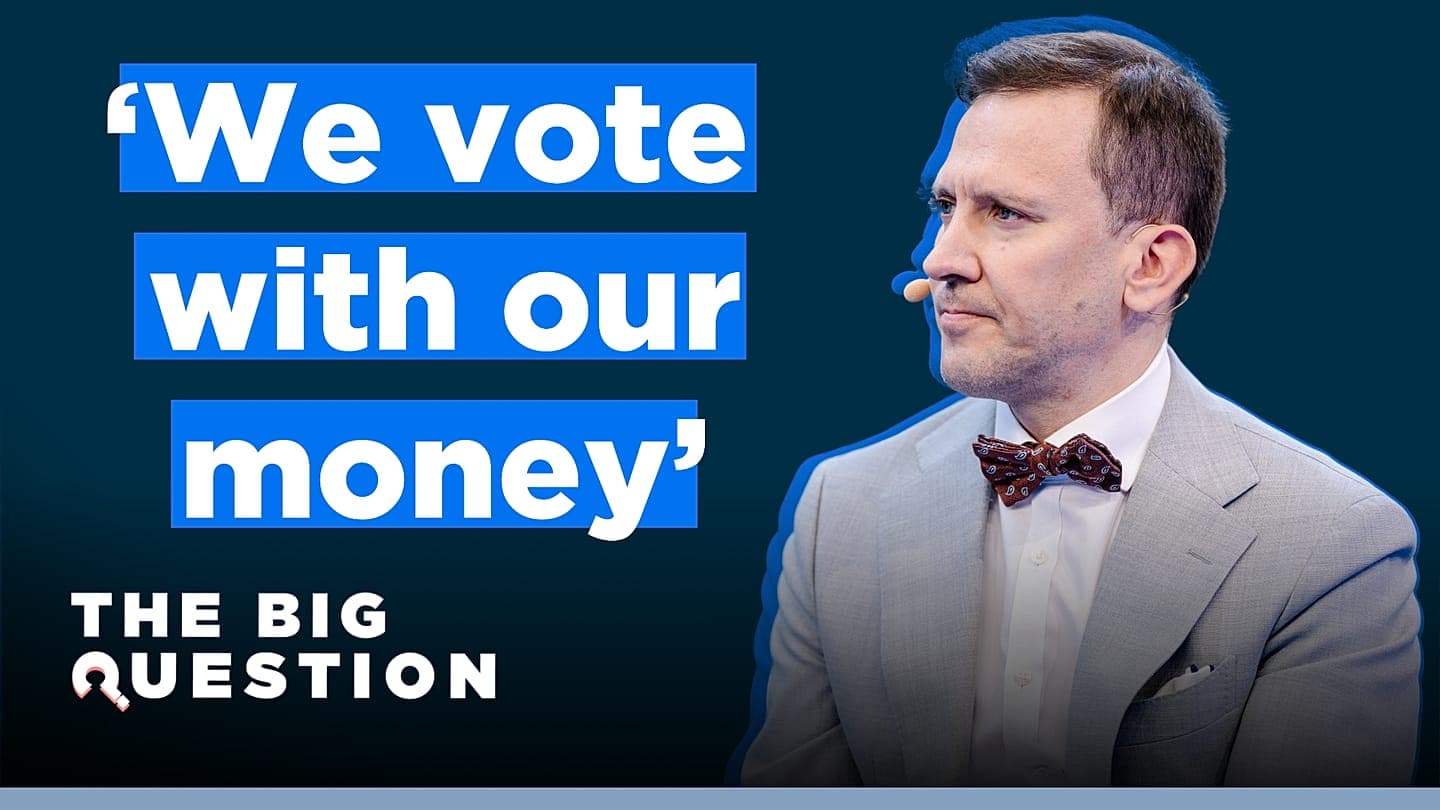
Růžička builds his assessment on the example of the EU's largest enlargement in 2004, when the union was joined by 10 countries, including his native Czechia. Countries with cheap labour, skilled personnel and traditional industries — Poland and Czechia — experienced rapid growth over two decades. In his view, Moldova and Ukraine share similar characteristics and therefore have good prospects after accession. He singled out the Ukrainian defence sector in particular: “it is something Europe does not have much of right now,” and noted that Ukrainian investors are already coming to Europe, not only seeking investment. Notably, PPF Group itself is already investing in companies in Serbia, Moldova and Ukraine: “We at PPF vote with our money. We are reducing our presence in Asia and investing far more here,” Růžička explained, citing the single market, the rule of law and predictability among the reasons for the region's attractiveness.
Small business as a driver, and the main risk — losing momentum
Růžička emphasised the role of the single market for small and medium-sized businesses: according to him, 65% of the economy — including EU-15, EU-27 and the candidate countries — consists of small enterprises that “drive our economies.” Enlargement, he believes, will allow small and medium-sized companies to grow, which in turn will raise the value of large players like PPF. At the same time, he acknowledges the risks of the process and criticises the slow pace of the European Commission's negotiations, which, in his view, deters investors: “the biggest risk is losing momentum.” As an argument, he cites the example of Iceland, where the consent of not 27 but 28 members is required, and where support for the EU among candidate countries is declining: the country received candidate status in 2010, negotiations were suspended in 2013, and in August 2026 voters in a referendum voted against resuming accession. To keep candidates' enthusiasm alive, Růžička proposed granting them limited access rights — for example, to the single market or a freight transport agreement — instead of waiting for full membership.