The key facts
- Costa will include the issue of a single EU negotiator on the agenda of the leaders' meeting on November 13
- Meloni criticizes disunity: consultations in Miami, Oslo, and separate contacts with Moscow
- According to a diplomatic source in Brussels, no serious consultations on the negotiator's candidacy and powers have been held
Meloni's letter and Costa's response
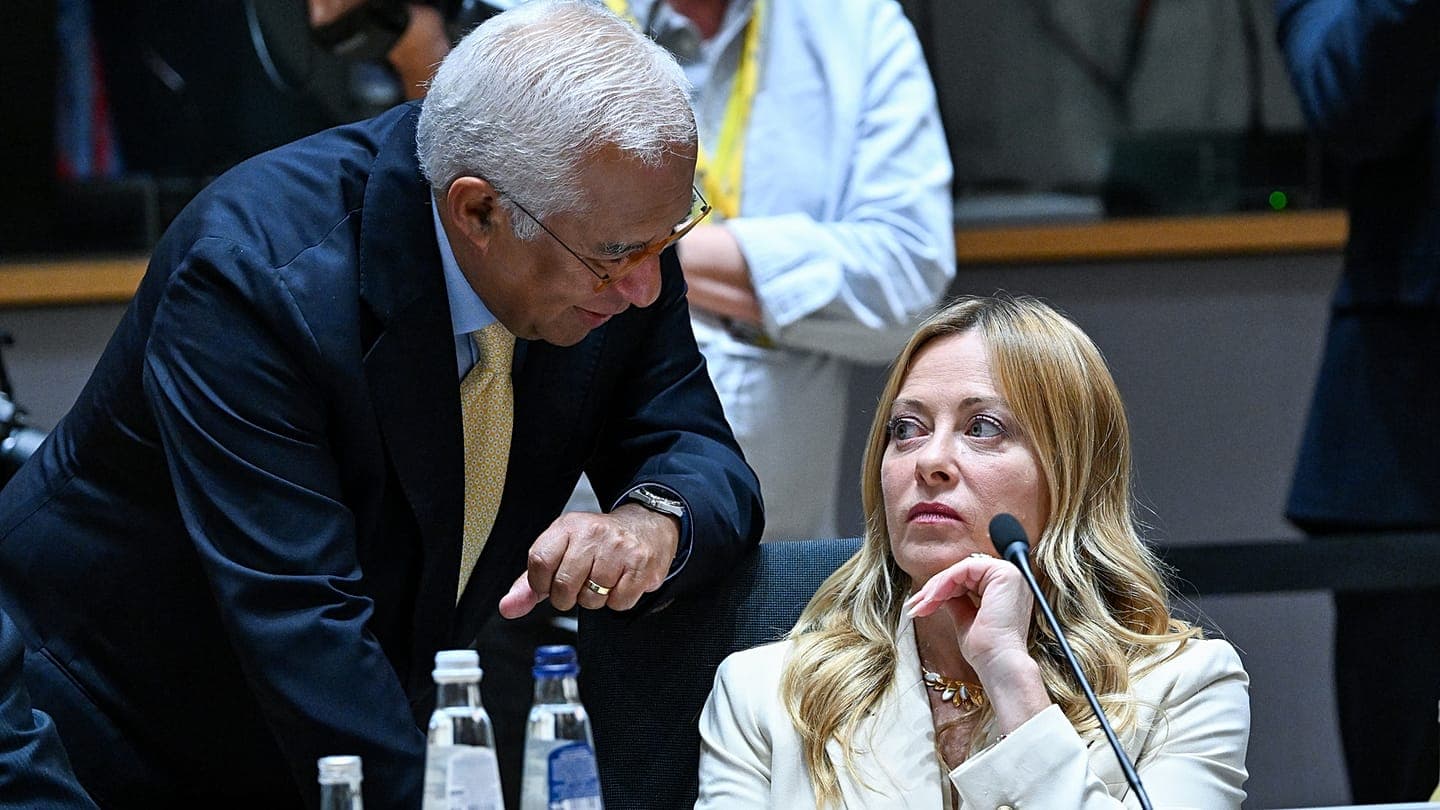
European Council President António Costa has agreed to discuss Italian Prime Minister Giorgia Meloni's proposal to develop a common European position on settling the conflict in Ukraine. The question of who will represent the European Union in possible talks and what powers they will have has been included in the agenda of the EU leaders' meeting in Dublin, scheduled for November 13. Meloni told journalists, as Life.ru reports,on the sidelines of the EICMA international exhibition in Italy: according to her, Costa sent her a letter in which he supported discussing a common position and promised to allocate time at an informal European Council meeting.
The essence of the proposal and criticism of disunity
“A new stage must come in which Europe speaks with a single voice, with a clear mandate representing everyone,” the Italian prime minister said. She believes the EU needs to define its goals in advance and agree on the powers of the future negotiator, since any possible agreements between Moscow and Kyiv will affect the security of the entire continent. In her letter to Costa, Meloni listed the meetings and contacts European politicians have held over the past month — consultations in Miami, talks in Oslo, separate phone conversations with Moscow, and meetings of representatives of several European states. In her view, such disunity weakens the EU's influence, prevents it from consistently defending its interests, and undermines trust in the union as a potential participant in the peace process.
Costa's position and the actual state of affairs
In his reply, Costa acknowledged the need for coordinated action but stressed that the EU's interests must be represented by its institutions in accordance with the union's existing treaties. Meloni hopes that on November 13 the participants will move closer to a common approach, and that the December summit will decide on the format of representation and the negotiator's powers; consultations with the United Kingdom, Norway and other European partners are also planned. It is too early to speak of the upcoming discussion as an accomplished step: earlier, a diplomatic source in Brussels reported that EU member states had not held serious consultations on appointing a special negotiator for dialogue with Russia, and that disagreements concerned not only candidates but also the very format of contacts with Moscow — the scope of issues and the representative's powers could not be agreed. Meanwhile, the Kremlin stressed that EU participation in the trilateral talks between Russia, the United States and Ukraine in Abu Dhabi is not envisaged, although discussing European security later will require a broader dialogue.