The key facts
- The vaccine was developed by the University of Cambridge and DIOSynVax Ltd using AI; the study is published in Cell Reports Medicine
- In animals it provided complete protection against genetically distinct variants of the virus; the WHO vaccine yielded a survival rate of about 50%
- Clinical trials in humans are still ahead; the platform is planned to be extended to seasonal flu and other RNA viruses
One vaccine against many strains
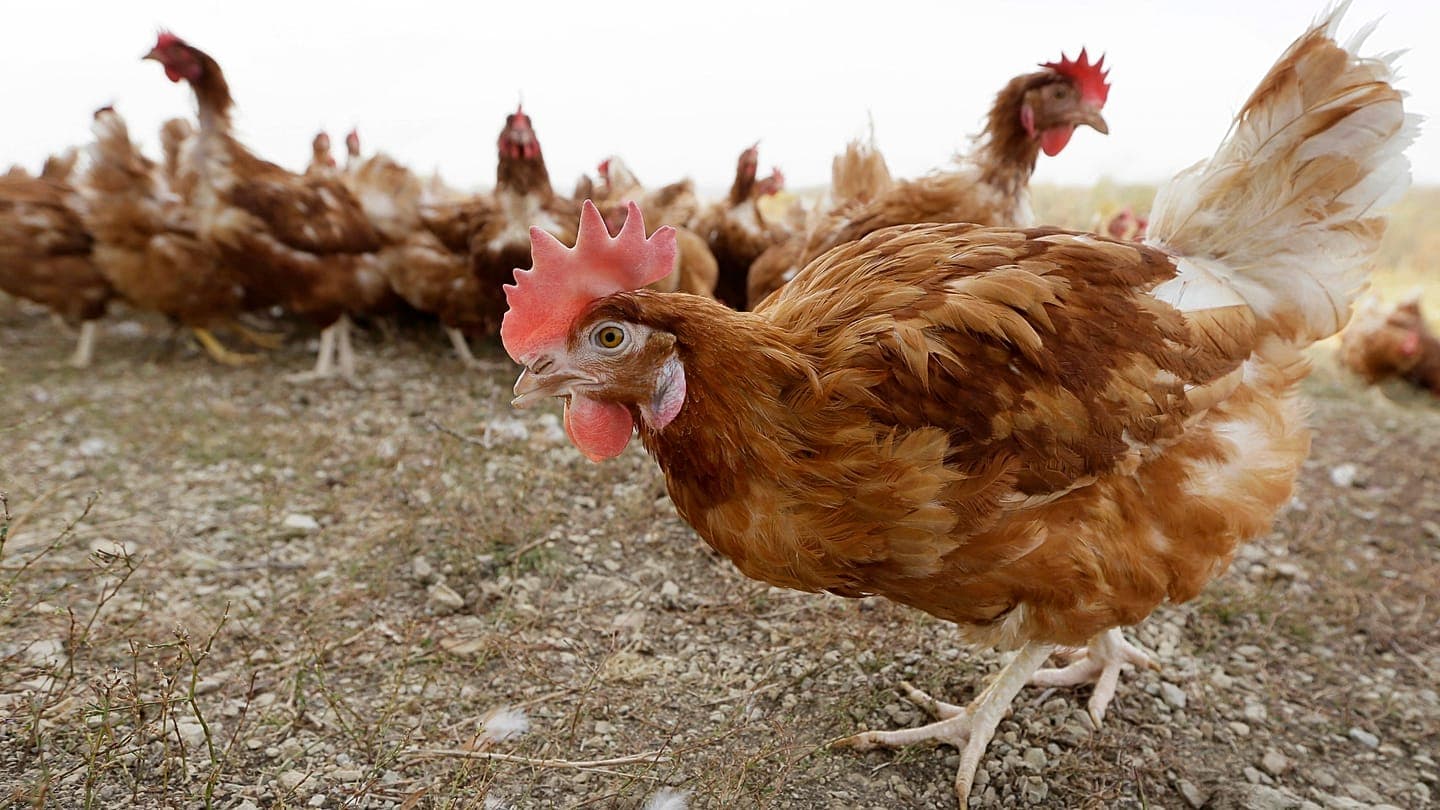
Scientists at the University of Cambridge have developed the first 'broad-spectrum' vaccine against bird flu, created using artificial intelligence. Unlike traditional preparations that provide immunity to a single variant of the virus, the new candidate targets a wide range of strains at once and, according to its developers, may protect even against variants that have not yet emerged. This is reported by Euronews with reference to a study published in the journal Cell Reports Medicine.
How the vaccine was created
Jonathan Heeney of the Laboratory of Viral Zoonotics at Cambridge, who led the work, explained that the vaccine 'is designed to anticipate the evolution of the virus rather than react to it.' The team collected data on the genetic sequences of bird flu viruses from surveillance programmes around the world — including samples from wild animals, farm animals and infected people — and, using computational and evolutionary algorithms, developed five AI-optimised synthetic antigens. They reflect the global diversity of the virus and are meant to prevent it from evading immune protection. 'Using artificial intelligence greatly accelerates the vaccine development process, after which we can test candidate vaccines in the laboratory and make sure they are reliable and safe,' Heeney noted.
Results in animals and what comes next
In preclinical studies, the vaccine completely protected mice and ferrets against a range of genetically distinct variants of the virus, all of which have already caused infections in humans and are considered a potential pandemic threat. For comparison: when immunised with the existing vaccine of the World Health Organization, only half of the animals exposed to the same viruses survived. The authors emphasise that the preparation provides broader protection and higher survival rates than standard candidate vaccines targeting a single strain, which are currently being stockpiled in case of a pandemic.
Context: why this matters for pandemic preparedness
Bird flu, like coronaviruses, belongs to RNA viruses, which mutate rapidly, can pass from animals to humans and evade both the immune system and the protection of existing vaccines. Current pandemic preparedness is built on stockpiles of vaccines against variants that have already emerged, so, according to the authors, next-generation preparations 'radically change the situation' for national biosecurity and the resilience of healthcare systems: 'We can be ready to respond immediately to epidemic and pandemic outbreaks, rather than acting as we do now, when we are constantly lagging behind,' Heeney said. The development was carried out by the University of Cambridge and its company DIOSynVax Ltd; earlier this year the same team created the first vaccine fully designed with the help of AI to have undergone trials in humans — against a broad range of viruses, including Ebola and coronaviruses. It is important to note: the new bird flu vaccine has not yet been tested in humans — the next stage, according to the authors' plans, is clinical trials, followed by extending the platform to seasonal flu vaccines and other rapidly evolving RNA viruses.