The key facts
- Six Homo erectus teeth about 400,000 years old from Zhoukoudian, Hexian, and Sunjiadong were studied
- All specimens showed two identical substitutions in ameloblastin, one of which had previously been found in Denisovans
- The study was published in Nature in May 2026; the genome has not been decoded, and the conclusions are preliminary
Proteins instead of DNA
A team led by researchers from the Chinese Academy of Sciences studied six Homo erectus teeth about 400,000 years old from the Chinese sites Zhoukoudian, Hexian, and Sunjiadong. The work was published in the journal Nature in May 2026, as reported by Gazeta.Ru. According to the protein data, five of the specimens belonged to males and one to a female.
What was found in the enamel
Ancient DNA usually degrades before a find can be studied, so the scientists relied on tooth enamel proteins, which survive longer and carry information about the kinship of fossil humans. In all six specimens, the researchers found two identical amino acid substitutions in the protein ameloblastin. One of them had not previously been detected in any other studied human lineage, including the erectus from Dmanisi in Georgia — this unites the East Asian specimens into a distinct molecular group. The second substitution is known in Denisovans.
What this means and what is still missing
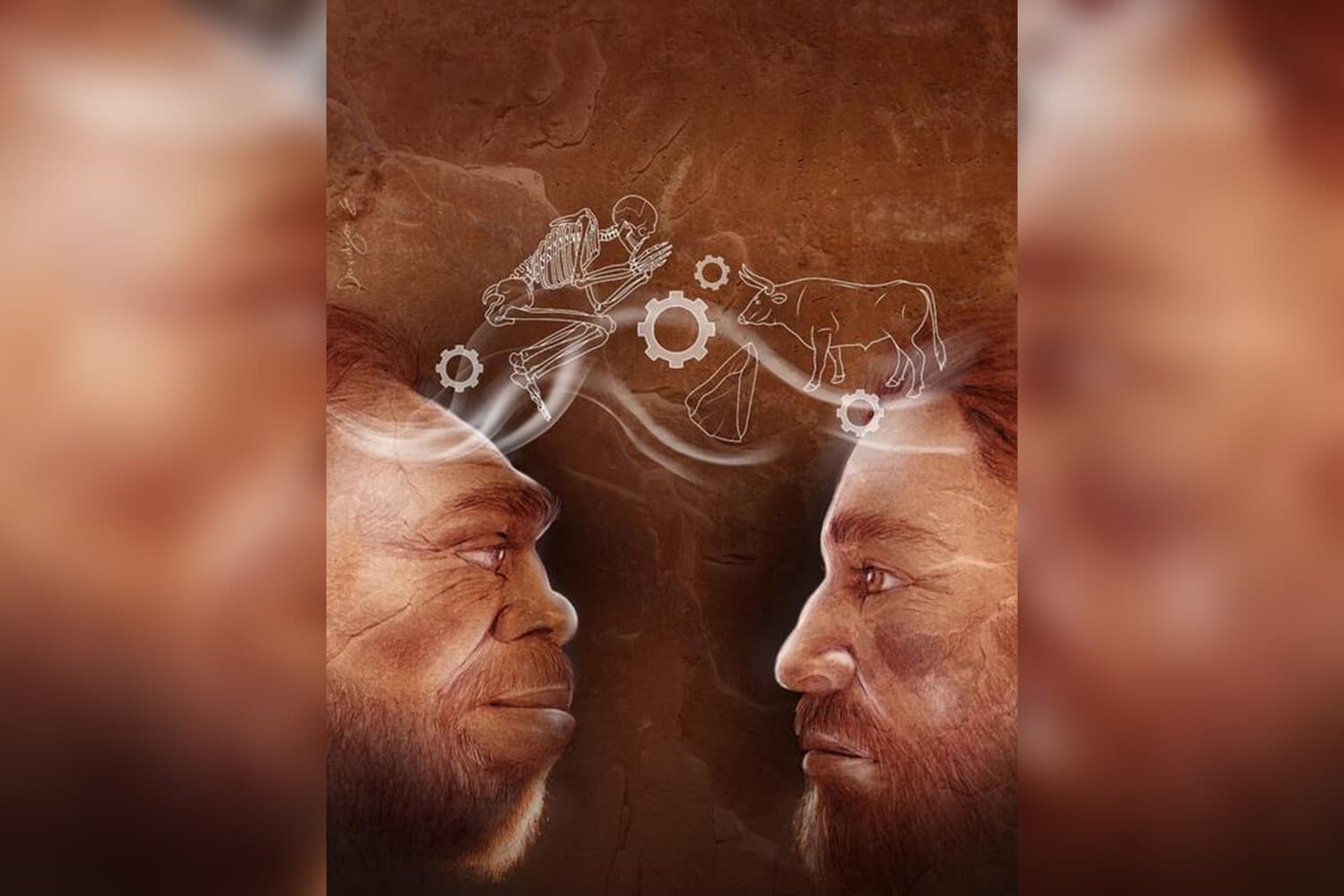
According to the authors' interpretation, the substitution characteristic of Denisovans could have reached them from populations related to these erectus; some regions of the Denisovan genome linked to such ancient gene exchange may later have passed on to modern humans. The results support the hypothesis of interbreeding between ancient human groups in East Asia. However, the researchers worked with proteins rather than reading the Homo erectus genome, so the exact history of such contacts remains to be reconstructed.