The key facts
- On 5 November, bomb threats were received for at least 13 flights of European airlines, including three Ryanair planes flying to Sofia
- Bulgaria scrambled MiG-29 fighter jets; the flight from London was, by decision of the airline and the crew, diverted to an alternate airfield in Plovdiv
- No explosive devices were found on any aircraft; the threats came by email and, according to a spokesperson for Bulgaria's Interior Ministry, also concerned 'various institutions'
One day, more than a dozen flights threatened
On 5 November 2026, European airlines received a wave of bomb threats on board aircraft. According to Kun.uz, citing data compiled by the BBC, three Ryanair planes flying to Sofia — FR6410 from Madrid, FR3606 from Copenhagen and FR1730 from London — received threats about an explosive device. To escort the airliners, Bulgaria scrambled MiG-29 fighter jets of its air force. The flight from London was, by decision of the airline and the crew, diverted to Plovdiv, while the other two landed as planned. No explosives were found on any of the aircraft.
Diverted flights and checks
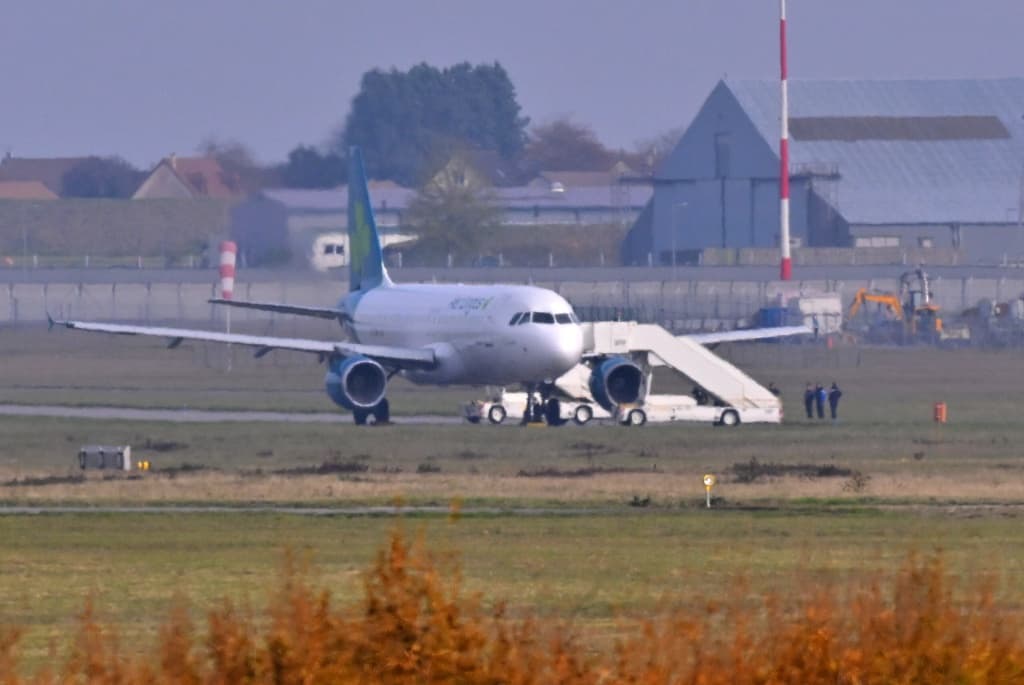
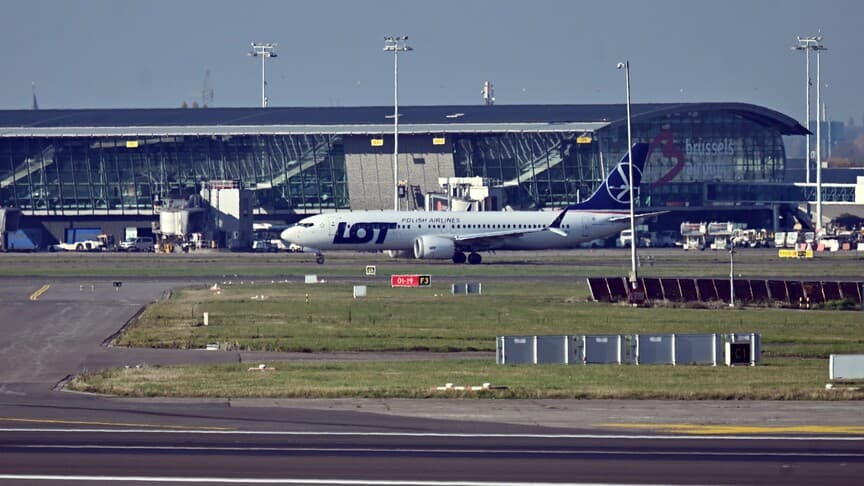
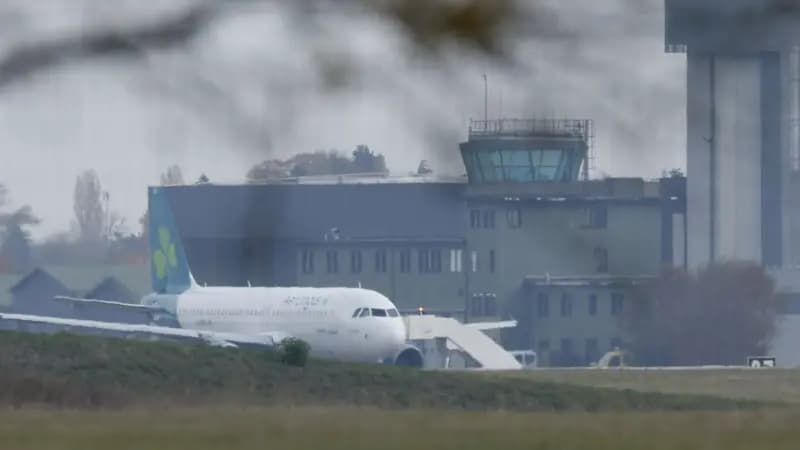
The threats also affected other routes. An Aer Lingus aircraft of the Irish carrier, flying from Dublin to Rome, changed course and landed at the Évreux military airbase in northern France; it was escorted by a Rafale fighter. According to BFMTV, which Figaro cites, the French government received a message about the threat from Italian partners. WizzAir flight W46387 from Milan to Warsaw was directed to Vienna, while the parallel flight W43064 from Milan to Bucharest landed as planned. Bomb threats were also received for FinnAir flights AY1761 (Helsinki — Rome) and AY1471 (Helsinki — Vienna), LOT LO235 (Warsaw — Brussels), Aegean Airlines A3552 (Thessaloniki — Milan) and another Ryanair aircraft, FR8953 (Porto — Milan). All of them landed at their designated airports. In addition, four planes flying to Prague received similar threats: police inspected them after landing and found no explosive devices; it is not specified which flights these were.
Who is behind the threats — unknown
The sender of the messages has not yet been identified. A spokesperson for Bulgaria's Interior Ministry, Lyubomir Nikolov, said the threats came by email and concerned not only aircraft but also 'various institutions'. According to the Italian news agency ANSA, citing sources close to the investigation, bombs on two flights were reported in a single anonymous email with the subject line 'threat message'. Ryanair confirmed receiving such an email: it was signed by 'male fighters of the state' who allegedly fight against a 'feminist regime' and want to 'leave their mark on history'; in the letter, the authors threatened to blow up the planes and 'paint the sky red'. No arrests or identified suspects are reported in the published materials.