The key facts
- Three tankers carrying about 140,000 tons of Russian diesel bound for the US are 'awaiting instructions' or changing course
- The governor of New Jersey warned businesses that the deal contradicts the law banning imports of energy resources from Russia
- Congress promised an investigation; Congressman Raskin recalled a fine of up to $1 million and up to 20 years in prison
Tankers carrying Russian diesel are stuck in the Atlantic
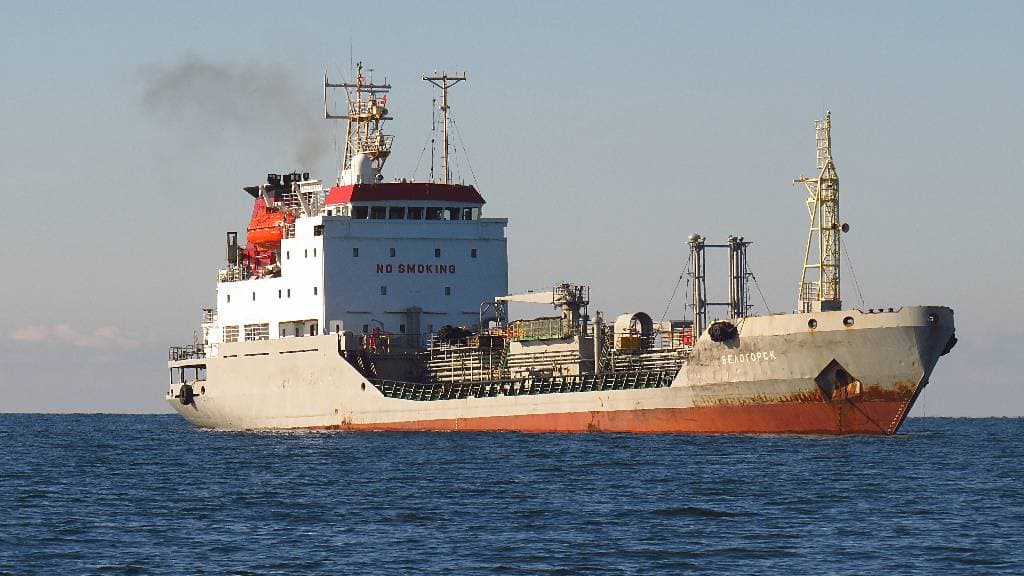
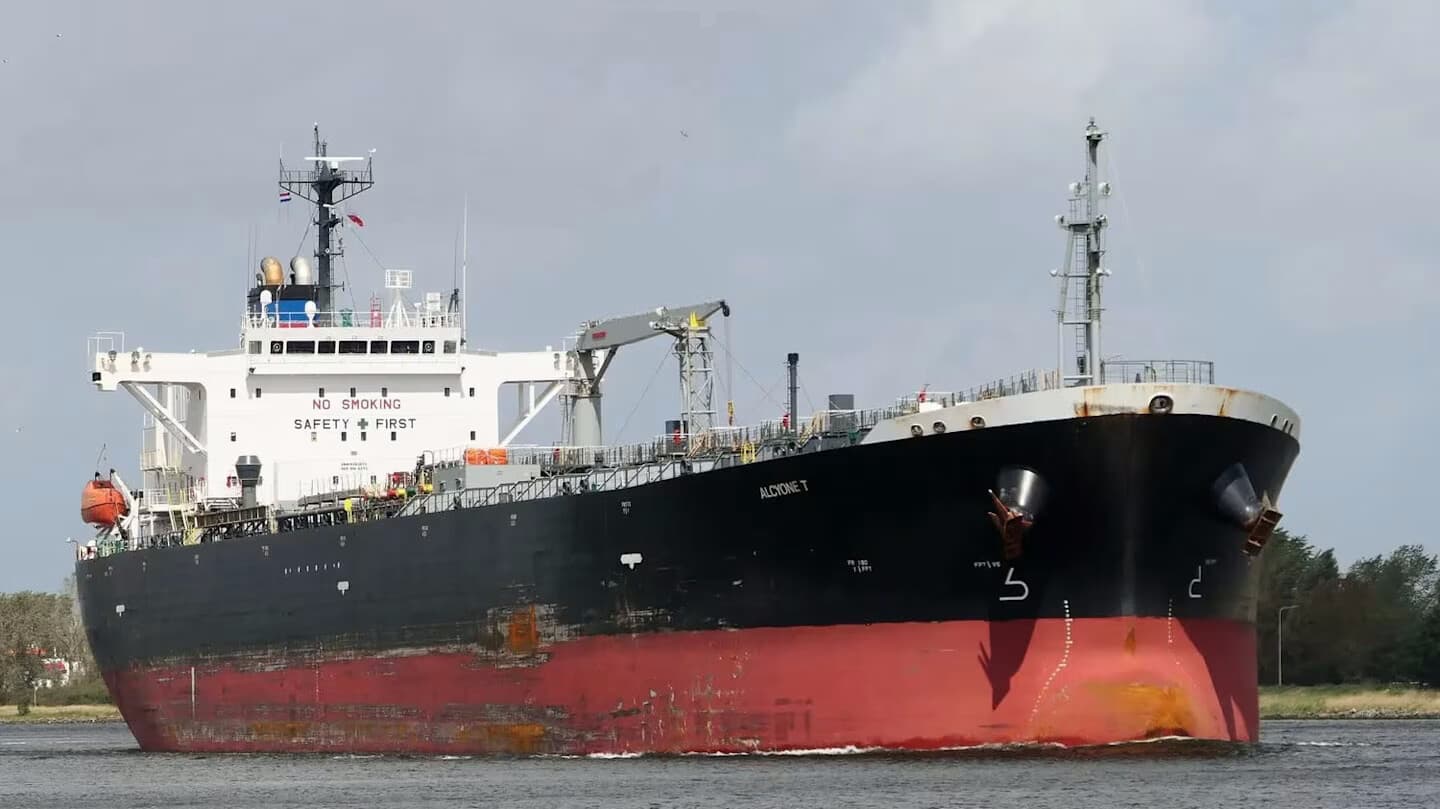
The deal between Donald Trump and Vladimir Putin on supplying Russian diesel to the United States, announced on October 9, is at risk of collapse. As Financial Times reports, citing data from the analytics firm Kpler, tankers that were heading to America are changing course or have stalled awaiting instructions. The tanker Leruo, flying the flag of Sierra Leone and owned by a Hong Kong-based company, has set course for Brazil. The Russian tanker Talisman has moved from the Atlantic into the Mediterranean and is anchored off the coast of Algeria with the status 'awaiting instructions' — with no confirmed buyer for its cargo and no destination port. Both vessels are under Western sanctions.
American companies hesitate to buy
Two more vessels continue moving toward the United States, but their status is also uncertain. The tanker Agioi Fanendes, owned by the Greek company Eastern Mediterranean Maritime, shows the same 'awaiting instructions' status; the owner confirmed that the discharge port has not been determined, and according to Kpler, the vessel may change its original course to New York. The tanker Beast, owned by companies registered in the Seychelles and also under sanctions, loaded fuel at the port of Primorsk on October 27 and is still holding course toward the Atlantic coast of the United States. Kpler analyst Matt Smith explains the situation by saying that American companies 'do not dare' to buy Russian diesel because of legal risks and sanctions.
Legal obstacles and a Congressional investigation
The main obstacle is legal. Mikie Sherrill, the governor of New Jersey — home to the largest oil products receiving and distribution hub on the US East Coast — warned businesses that the Trump-Putin deal contradicts the 2022 law banning imports of energy resources from Russia following the invasion of Ukraine. She called on the Port Authority of New York and New Jersey, as well as oil terminal operators, not to accept Russian diesel. Jamie Raskin, a member of the House Judiciary Committee, separately warned that buying Russian diesel could result in a fine of up to $1 million and a prison sentence of up to 20 years. Congress promised to investigate the deal and sent banks and ports a demand to preserve all documents related to it.
Diesel shortage heightens the tension
The situation is complicated by a shortage: according to new data, US diesel fuel inventories have fallen below 100 million barrels for the first time in more than twenty years. Recall the context of the deal: Trump announced the agreement with Putin on October 9, after which the US Treasury Department suspended sanctions restrictions on Russian fuel until April 2027. The three tankers heading to the United States carried about 140,000 tons of diesel. So far, none of the cargoes has a confirmed recipient, and legal risks for American market participants remain.