The key facts
- Genetic traces of wild coyotes have been found in Chihuahuas — the results were published in Nature Communications
- The analysis was carried out using the new programs Gnomix and Gnofix
- Traces of ancient Arctic dogs were found in the Xoloitzcuintli; the time of interbreeding is unknown
An unexpected discovery in the genome of the smallest breed
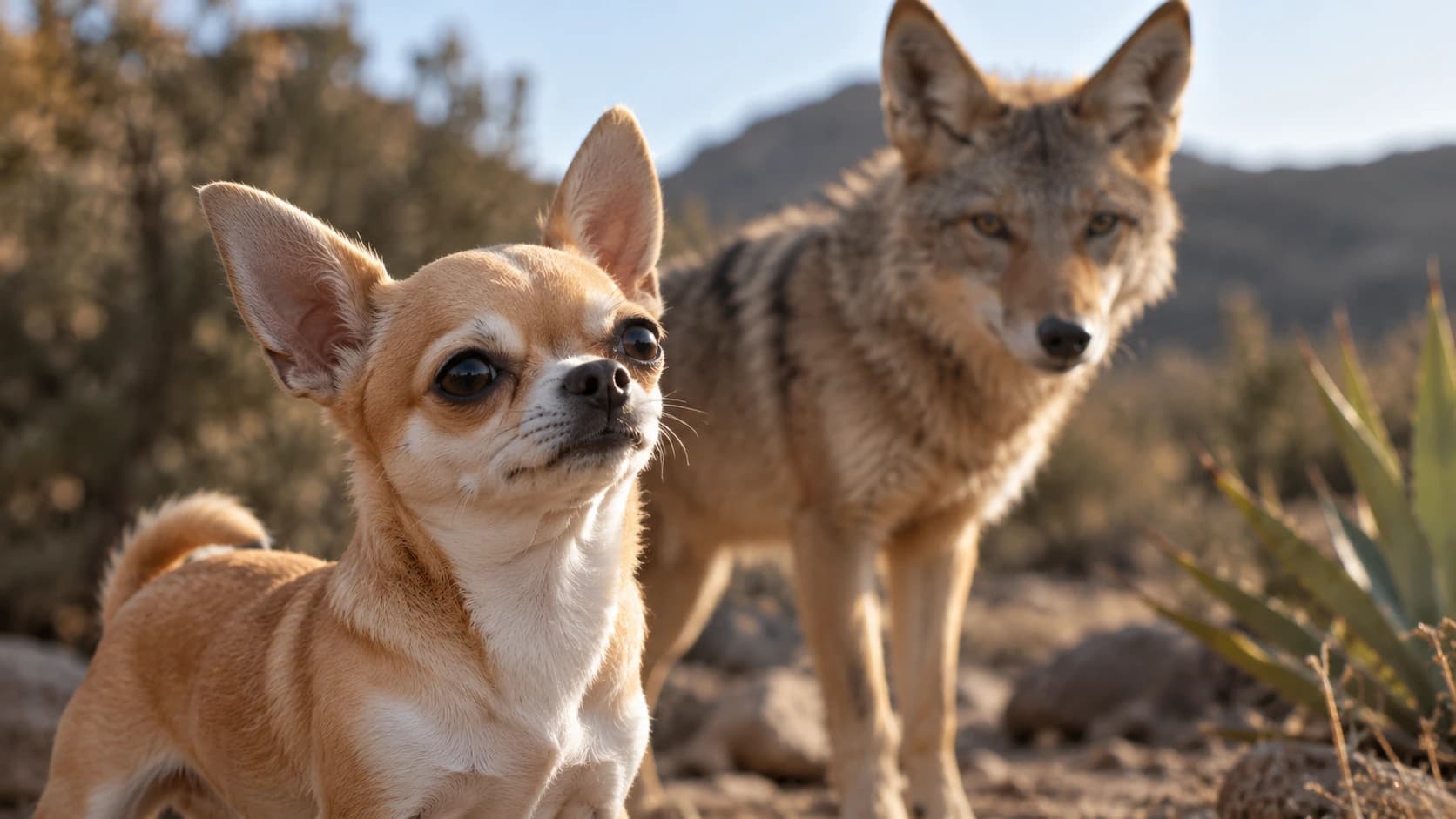
Scientists at Stanford University have found fragments of the genome in Chihuahua DNA that are linked to wild coyotes of North America. The results of the study were published in the scientific journal Nature Communications, Life.ru reports on the discovery. The finding makes us look at the origins of one of the smallest dog breeds in the world in a new way.
How the analysis was conducted
For their work, the researchers used the new programs Gnomix and Gnofix, which make it possible to determine the origin of individual DNA segments and reconstruct the genetic history of animals. It was precisely this analysis that revealed genome segments linked to coyotes in the Chihuahua.
What remains unknown
According to the scientists, the finding may point to ancient interbreeding between the ancestors of domestic dogs and wild members of the canine family. The exact time when coyote genes appeared in the Chihuahua's lineage has not yet been established. The researchers allow that the mixing could have occurred even before Europeans arrived in America, but it is unknown whether it was accidental or whether people deliberately crossbred the animals.
A second Mexican trace and a broader context
The analysis also touched on another Mexican breed — the Xoloitzcuintli: genetic traces of ancient Arctic dogs were found in these dogs. The Life.ru material also recalls an earlier context: according to a genetic study published in 2026, domestic dogs had already been living alongside humans about 16,000 years ago, and their ancient genetic traces have been found in Europe and Western Asia, which points to an earlier start of domestication than previously assumed.