The key facts
- Therapist Yunna Rozonova stated that there is no evidence of the benefits of donating blood for the donor — removing toxins, strengthening immunity, reducing the risk of heart attack
- One donation, after the blood is separated into components, can help several patients
- With a standard portion of blood, the body loses about 200–250 mg of iron; with frequent donations, iron stores can be depleted even with normal hemoglobin
The benefit is for the patient, not the donor
Blood donation is often called a way to 'renew the body,' flush out toxins, and boost immunity. Therapist Yunna Rozonova of SM-Clinic, in a conversation with Gazeta.Ru , called such notions a myth: there is no convincing evidence that donation removes toxins, strengthens immunity, or reduces the risk of heart attack in healthy people. According to her, the body replenishes the lost plasma volume and produces new blood cells, but this is recovery from blood loss, not a therapeutic procedure. The same was reported by Life.ru, citing the same comment from the doctor.
What donation does offer
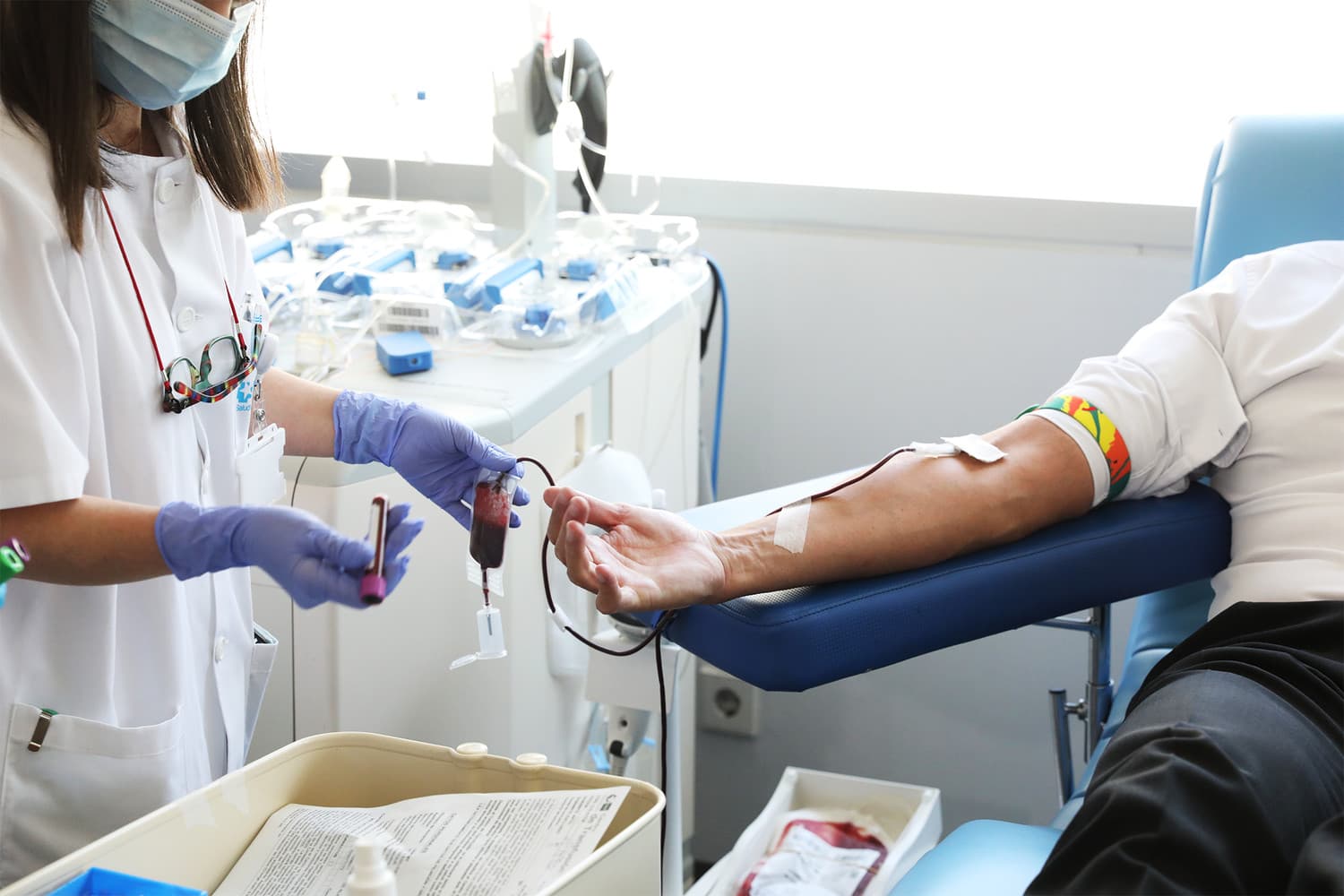
The main proven benefit of donation, Rozonova emphasized, is helping patients who need red blood cells, plasma, or platelets: after the blood is separated into components, a single donation can help several people. The donor also gets a certain benefit from the mandatory examination before the procedure — the doctor assesses how the person feels, measures blood pressure and pulse, checks hemoglobin, and the blood is tested for a number of infections, which sometimes helps detect abnormalities in time. However, according to the doctor, such screening does not replace a full checkup and comprehensive examination. There may also be a psychological effect — a sense of social significance from helping patients after surgeries, in cases of trauma, childbirth, or blood disorders — but this is not physiological 'rejuvenation.'
Risks with frequent donations
With proper donor selection and adherence to intervals, the procedure is considered safe: about 450 ml of whole blood is typically drawn — less than 10% of an adult's blood volume. But with a single portion, the body loses roughly 200–250 mg of iron, and replenishing red blood cells and iron stores takes longer than restoring plasma. After donation, weakness, dizziness, a temporary drop in blood pressure, fainting, or a hematoma at the needle insertion site are possible. With frequent donations, iron stores can decline even with normal hemoglobin, especially in women of reproductive age, so regular donors should periodically discuss ferritin monitoring with their doctor; the therapist does not recommend taking iron supplements on one's own. Life.ru previously wrote about similar symptoms of iron deficiency — hair loss, brittle nails, and constant fatigue, which are difficult to distinguish from the effects of sleep deprivation, stress, or thyroid disease.