The key facts
- The Cheonghae unit has patrolled off Somalia since 2009; a new zone near the port of Duqm in Oman is proposed, while staying outside the Strait of Hormuz
- Piracy incidents off Somalia rose from 11 for all of 2025 to 36 since the start of 2026
- The personnel cap is proposed to rise from 320 to 395; the mandate expires on December 31
Expanding the patrol zone
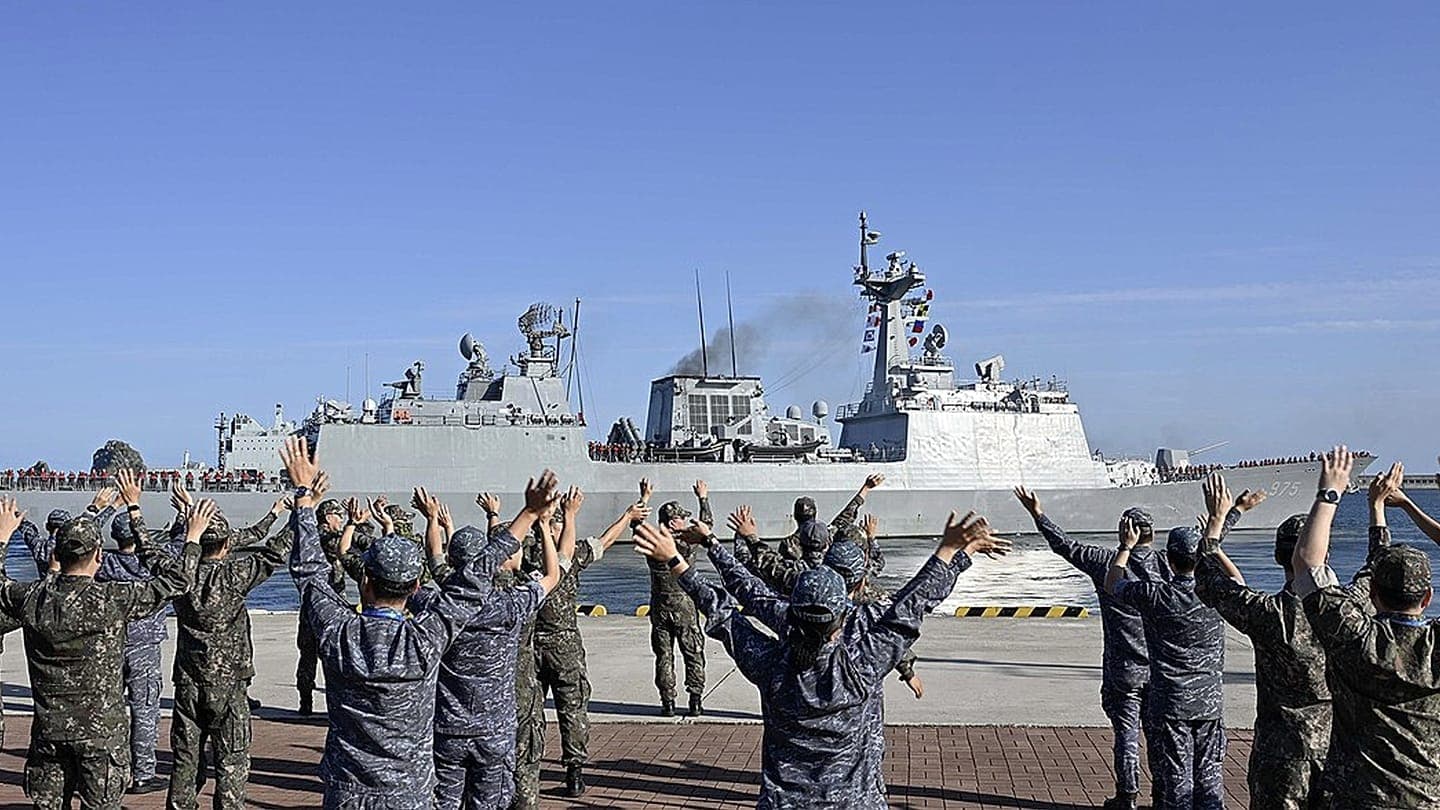
South Korea's Defense Ministry announced on Thursday a plan to expand its anti-piracy patrol zone: the Navy's Cheonghae unit, which has been escorting commercial vessels off the coast of Somalia since 2009, is to additionally patrol waters near the port of Duqm in Oman — roughly 650 kilometers from the Strait of Hormuz. According to euronews, the patrols will remain outside the strait itself, and the unit will retain South Korean command.
The reason: rising piracy and the shift of international forces
The expansion was prompted by a marked rise in piracy: according to the ministry, 36 incidents have been recorded off the Somali coast since the beginning of the year, compared with 11 for all of 2025. The ministry linked the pirates' advance toward Oman to international naval forces shifting their attention to the Red Sea and the Strait of Hormuz area.
Mission composition and approval process
Under the plan, the Navy will deploy a P-8A Poseidon patrol aircraft, an explosive ordnance disposal team, and unmanned systems for clearing naval mines; the personnel cap will rise from 320 to 395. The unit's current mandate expires on December 31. Deputy ministers approved the plan on Thursday, and the Cabinet will review it next week. If President Lee Jae-myung also approves it, the National Assembly will vote on expanding the patrol zone and extending the mission until December 31, 2027.
The Strait of Hormuz connection
The region's importance to Seoul stems from energy dependence: according to the Ministry of Trade, Industry and Energy for 2025, about 70% of South Korea's oil came from the Middle East, and most of it passed through the Strait of Hormuz. Seoul has backed a plan led by the United Kingdom and France to protect commercial vessels and clear mines in the strait once conditions allow; according to the Defense Ministry, sending mine-clearing equipment to the coast of Oman would give Korean crews experience for a possible future mission. An unnamed South Korean official told Yonhap that Seoul agreed to participate if asked, after the end of the war or the conclusion of an agreement between Washington and Tehran that ensures crews can operate safely; any deployment inside the strait would still require parliamentary approval. In September, President Lee spoke of the duty to protect citizens, commercial vessels and oil shipments, but ruled out participation in an operation that could draw the country into a war.