The key facts
- According to the Central Bank, in Q3 2026 the economy returned to the overheating zone due to growing domestic demand and limited supply
- The rate discussion summary was published on November 5
- Analysts suggest the rate will stay at 14% until the end of 2026, with the first cut only in February–March 2027
The economy is overheating again, the Central Bank believes
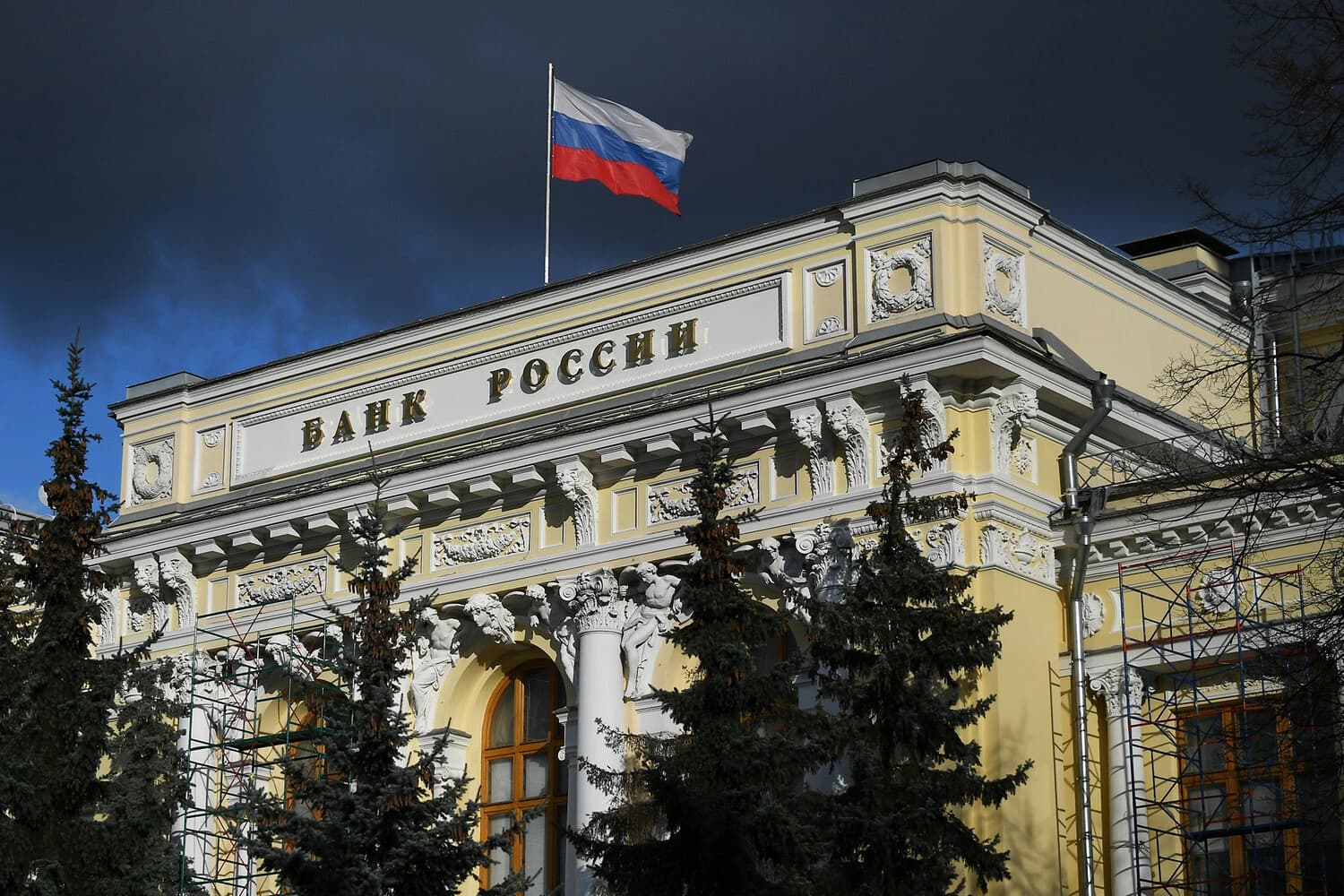
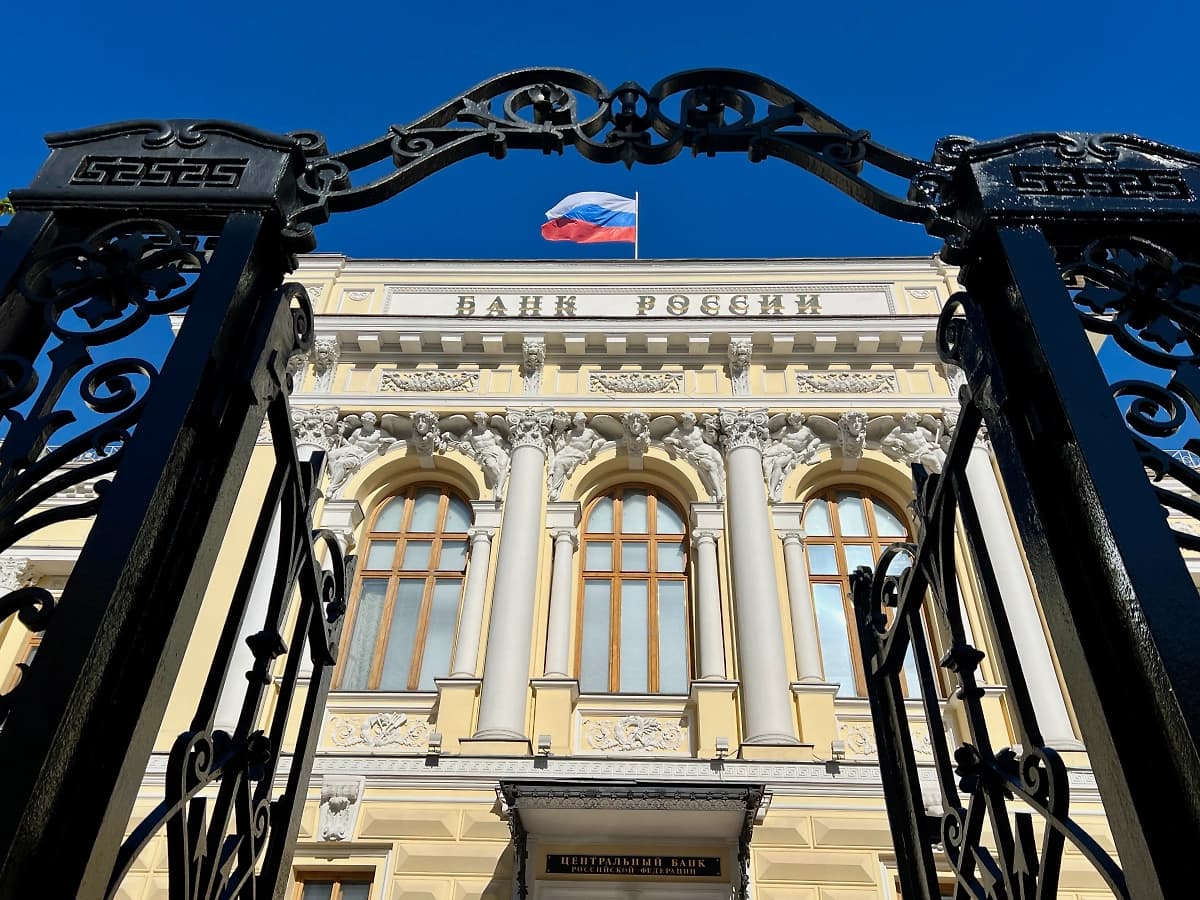
In its key rate discussion summary published on November 5, the Bank of Russia reported that in the third quarter of 2026 the Russian economy returned to a positive output gap — that is, it returned to a state of overheating. According to the conclusions of the discussion participants, domestic demand continued to grow, while supply capacity in certain sectors was temporarily limited. The document indicates that the resulting imbalance between demand and supply was evidenced by mounting sustained inflationary pressure; model estimates also pointed to this.
What this means for the rate
The Central Bank explained: consumer activity was growing, but enterprises in certain sectors could not increase the output of goods and services just as quickly. The resulting imbalance intensified pressure on prices and became one of the factors behind the economy's return to the overheating zone. To curb inflation, the regulator considers it necessary to maintain a tight monetary policy.
Rate expectations
Earlier, Life.ru reported that analysts suggested the key rate would remain at 14% until the end of 2026, with the first cut coming only in February or March 2027. Economists link the regulator's cautious stance to persistent inflationary pressure and elevated price expectations; in their assessment, high lending rates may persist for several more months. The Central Bank's conclusion about the economy overheating in Q3 is consistent with such a cautious position: the published document provides no grounds for a rapid policy easing while the output gap is positive and price pressure is growing.