The key facts
- Democrats took control of both chambers of Congress in the midterm elections
- Inflation has been at a three-year high of 4.2% since May, and gasoline prices have risen 38% since the start of the war with Iran
- Analysts warn that Congress has few tools against the two main drivers of inflation — the war and tariffs
Defeat in the US midterm elections
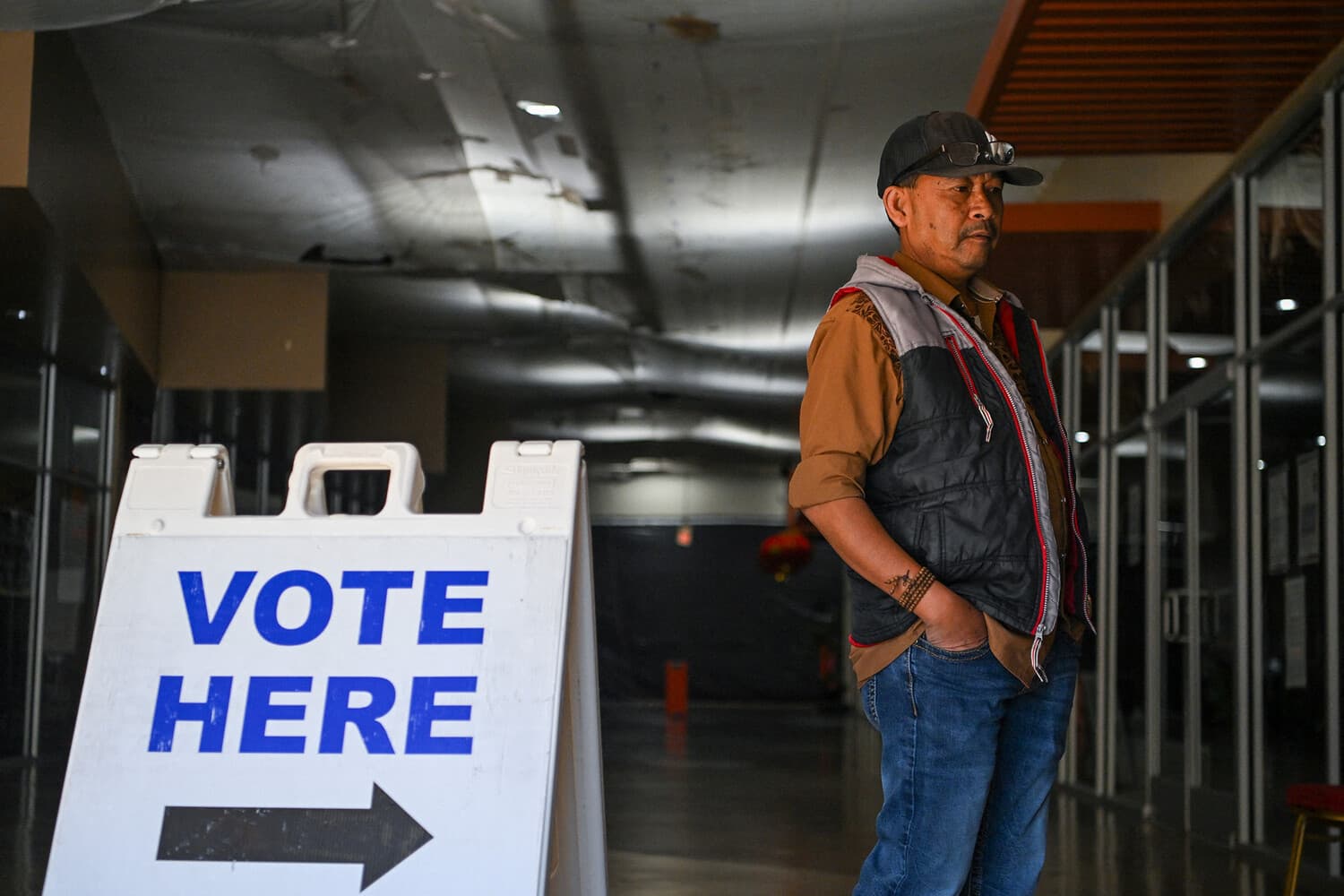
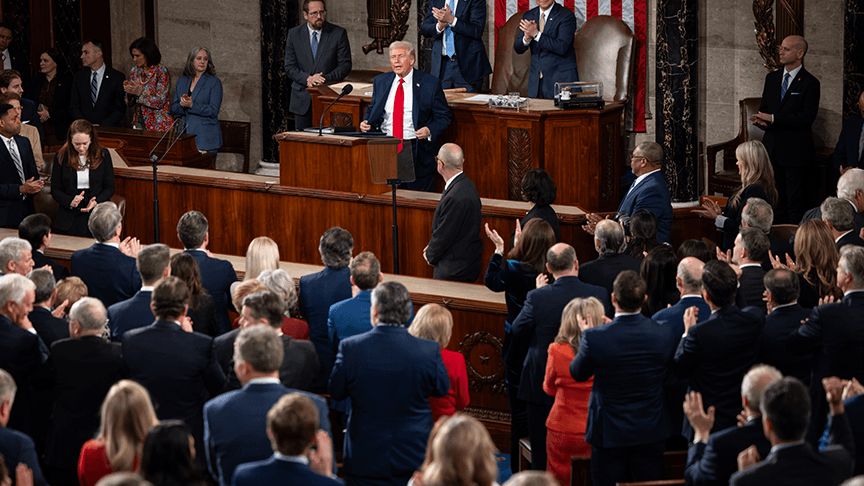
Republicans suffered a major defeat in the US midterm elections: Democrats gained control of the House of Representatives and the Senate. This was reported by AFP, noting that the answer to the question of why may lie in Bill Clinton's famous 1992 campaign slogan — 'It's the economy, stupid.' According to analysts, the key factors for voters were the resurgence of inflation, linked to the war in Iran and President Donald Trump's tariff policy, the stagnation of the labor market, and growing inequality.
Inflation and fuel prices
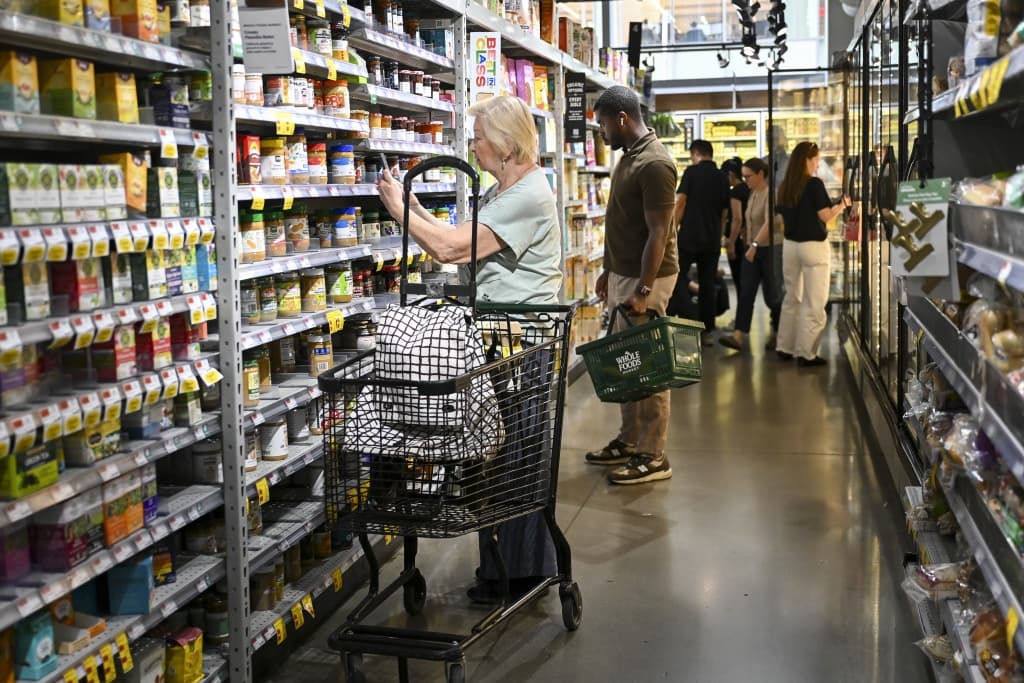
Inflation in the US peaked at 9.0% under Joe Biden in 2022 amid pandemic stimulus and low interest rates, then began to decline, but never reached the Fed's 2% target and has been rising again since 2023. After Trump came to power in 2025, it was first boosted by sweeping tariffs, and at the end of February by the war with Iran: Tehran's retaliatory actions blocked the Strait of Hormuz, and global energy prices surged sharply. Consumer inflation hit a three-year high of 4.2% in May and has stayed around that level since. As of Wednesday, gasoline is on average 38% more expensive than on February 28, when the war began. EY-Parthenon chief economist Gregory Daco, commenting to AFP, noted that what matters to voters is not only that prices are high, but that they have been high for more than five years: 'It's a pebble in your shoe — at first it doesn't hurt, but over time it becomes more and more irritating.' During the campaign, Trump and the Republicans claimed that inflation was not a serious problem and that Democrats had invented an 'affordability crisis.'
The labor market and inequality
Economists describe the US labor market with the formula 'low hiring, low firing': it is stable but offers almost no opportunities for growth. Unemployment and job creation remain steady, but new vacancies are concentrated in just a few sectors — healthcare and construction — while wages mostly fail to keep pace with inflation, so over the past six months the incomes of most workers have declined according to official data. 'If you look at the unemployment rate, most people who want a job have one,' Daco said. 'The problem is that people may not be satisfied with the conditions, the pay, and the role itself.' At the same time, worker satisfaction with their jobs, he said, is 'historically quite low.' On paper, the economy looks strong: GDP growth in the third quarter of 2026 was 3.4%, and stocks have been hitting records since the beginning of the year. But economists have long warned about the uneven distribution of the gains from growth: in May, when Wall Street indexes were at historic highs, economists at the Federal Reserve Bank of New York recorded a 'notable increase' in food insecurity and described a 'K-shaped economy,' in which wealthier households come out ahead, while for less well-off ones the high cost of living narrows their prospects.
Limited options for the new leadership
Although inflation remains a key issue for the Democrats, who now control Congress, Unicredit economist Jonathan Schrer warned that lawmakers will likely have limited room to act: Congress has no tools against the two main drivers of inflation — the war in Iran and tariffs. This means that, in the analyst's view, the economic factors that determined the election outcome will persist even after the change of power in Congress.